

How Can Schools Apply Character Education In Daily Life?
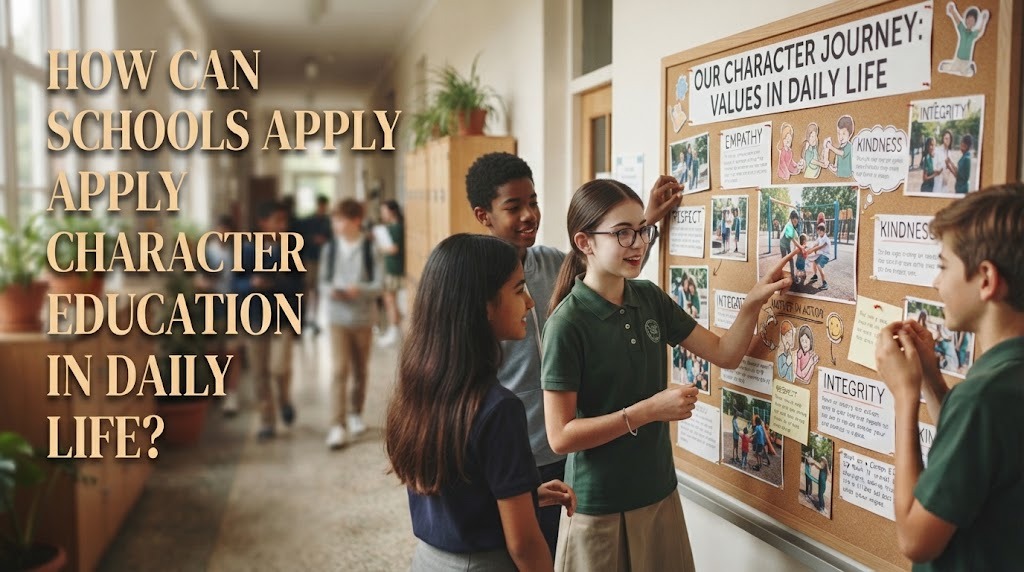
Character education is an important part of helping students develop positive attitudes and behaviors. Schools are not only places where students learn academic subjects but also environments where they build habits and values. Character education can teach students responsibility, discipline, honesty, respect, empathy, and cooperation. These values become more meaningful when students practice them in their daily activities. Therefore, schools can apply character education through simple and consistent actions throughout the school community.
BUILDING POSITIVE DAILY HABITS
Schools can apply character education by encouraging students to develop positive daily habits. Simple activities such as arriving on time, keeping classrooms clean, greeting others politely, and completing assignments can teach important values. These activities may seem small, but repeating them can help students develop responsible behavior. Teachers can remind students about these habits while also showing the same behavior themselves. Consistency is important because character develops through regular practice rather than through one-time activities.
Schools can also create routines that encourage students to take responsibility for their surroundings. For example, students can organize their learning materials, clean shared spaces, or take turns performing classroom duties. These activities teach discipline and responsibility in practical ways. Students can gradually understand that their actions affect other people. Over time, these simple routines can become part of their everyday behavior.
TEACHING VALUES THROUGH CLASSROOM ACTIVITIES
Character education can be included in regular classroom activities instead of being taught only as a separate lesson. Teachers can use group projects to teach cooperation and respect for different opinions. Class discussions can help students practice listening and expressing ideas politely. Assignments can also encourage students to be responsible for their own work. This approach allows students to connect character values with real learning experiences.
Teachers can also discuss character values through stories, examples, and classroom situations. For instance, a lesson can include questions about honesty, fairness, or responsibility. Students can discuss what they would do when facing a difficult situation. This helps them practice ethical thinking and decision making. When values are connected to everyday situations, students may find them easier to understand and apply.
TEACHERS AS POSITIVE ROLE MODELS
Teachers have an important role in applying character education because students often observe how adults behave. A teacher who demonstrates honesty, patience, fairness, and respect provides a practical example for students. For example, teachers can admit mistakes instead of pretending to be perfect. They can also listen carefully when students have questions or concerns. These actions show students how positive values can be practiced in real situations.
Teachers should also apply rules fairly and consistently. Treating students with respect can create a classroom environment where students feel valued. When teachers keep their promises and take responsibility for their actions, students can learn from those examples. Character education becomes stronger when students see the values being practiced rather than only hearing about them. Positive role modeling can therefore influence students' behavior both inside and outside the classroom.
CREATING A CULTURE OF RESPECT
Schools can build character education by creating a school culture based on mutual respect. Students should learn to respect teachers, classmates, school staff, and differences between individuals. Schools can establish clear expectations about polite communication and appropriate behavior. Bullying, insults, and discrimination should not be treated as normal behavior. A respectful environment can help students feel safe and encourage healthier relationships.
Respect can also be practiced through everyday communication. Students can learn to listen when others are speaking, disagree without being rude, and help classmates who need support. Teachers can encourage students to appreciate different opinions and backgrounds. These practices develop empathy and social awareness. As students repeat them, respectful behavior can become a natural part of school life.
ENCOURAGING TEAMWORK AND RESPONSIBILITY
Teamwork provides another practical way for schools to apply character education. Group assignments, sports, school events, and community activities can teach students how to cooperate with others. Students learn that successful teamwork requires communication and shared responsibility. They also have opportunities to understand different strengths and weaknesses within a group. These experiences can help students become more supportive and responsible team members.
Schools should make sure that group activities give students meaningful responsibilities. Each student can receive a clear role so that everyone has an opportunity to contribute. Students can also reflect on what worked well and what could be improved after completing an activity. This reflection can develop accountability and cooperation. Such skills are useful not only at school but also in future workplaces and communities.
USING SCHOOL RULES TO DEVELOP CHARACTER
School rules can be used as tools for developing good character when students understand the reasons behind them. Rules about attendance, uniforms, cleanliness, classroom behavior, and academic honesty can teach discipline and responsibility. Schools should explain rules clearly rather than relying only on punishment. Students are more likely to follow rules when they understand how the rules protect themselves and others. This approach can turn school regulations into opportunities for character development.
Consequences should also be fair, consistent, and educational. When students make mistakes, schools can encourage them to understand the impact of their actions and find ways to correct them. For example, a student who damages a shared space can be asked to help restore it. This approach connects actions with responsibility. It also teaches students that making a mistake should become an opportunity to learn and improve.
INVOLVING PARENTS AND THE COMMUNITY
Character education becomes more effective when schools, families, and communities support the same positive values. Parents can reinforce school expectations at home by encouraging responsibility, honesty, discipline, and respect. Schools can communicate with parents about character development and provide simple ways to support it. When students receive consistent messages from important adults, they may find it easier to practice positive behavior. Cooperation between school and family can therefore strengthen character education.
The wider community can also provide meaningful learning experiences. Students can participate in activities such as community service, environmental projects, or social programs. These experiences can teach empathy, cooperation, responsibility, and concern for others. Students can see how positive values are connected to real community needs. As a result, character education can extend beyond the classroom and become part of students' everyday lives.
CONCLUSION
Schools can apply character education in daily life through simple routines, classroom activities, positive role modeling, respectful communication, teamwork, fair rules, and cooperation with families. Character education does not have to depend on special programs or complicated activities. Consistent daily practice can help students develop important values such as discipline, honesty, responsibility, empathy, and respect. When the entire school community demonstrates these values, students have more opportunities to understand and practice them. In this way, schools can help students build strong character and positive habits that are useful in education, relationships, work, and society.
Recent Posts

Bagaimana Sistem SKS pada Program Kuliah... 22.11.2026/35 View

How Does Technology Make Daily Evaluation... 21.11.2026/69 View

Apa Strategi Menghadapi Kesenjangan antara Kompetensi... 21.11.2026/69 View

Mengapa Inventaris Aset Penting bagi Kelancaran... 21.11.2026/67 View

When Should Musicians Join a Record... 21.11.2026/68 View
