

How Can Schools Best Overcome Technical Challenges In National Assessments?
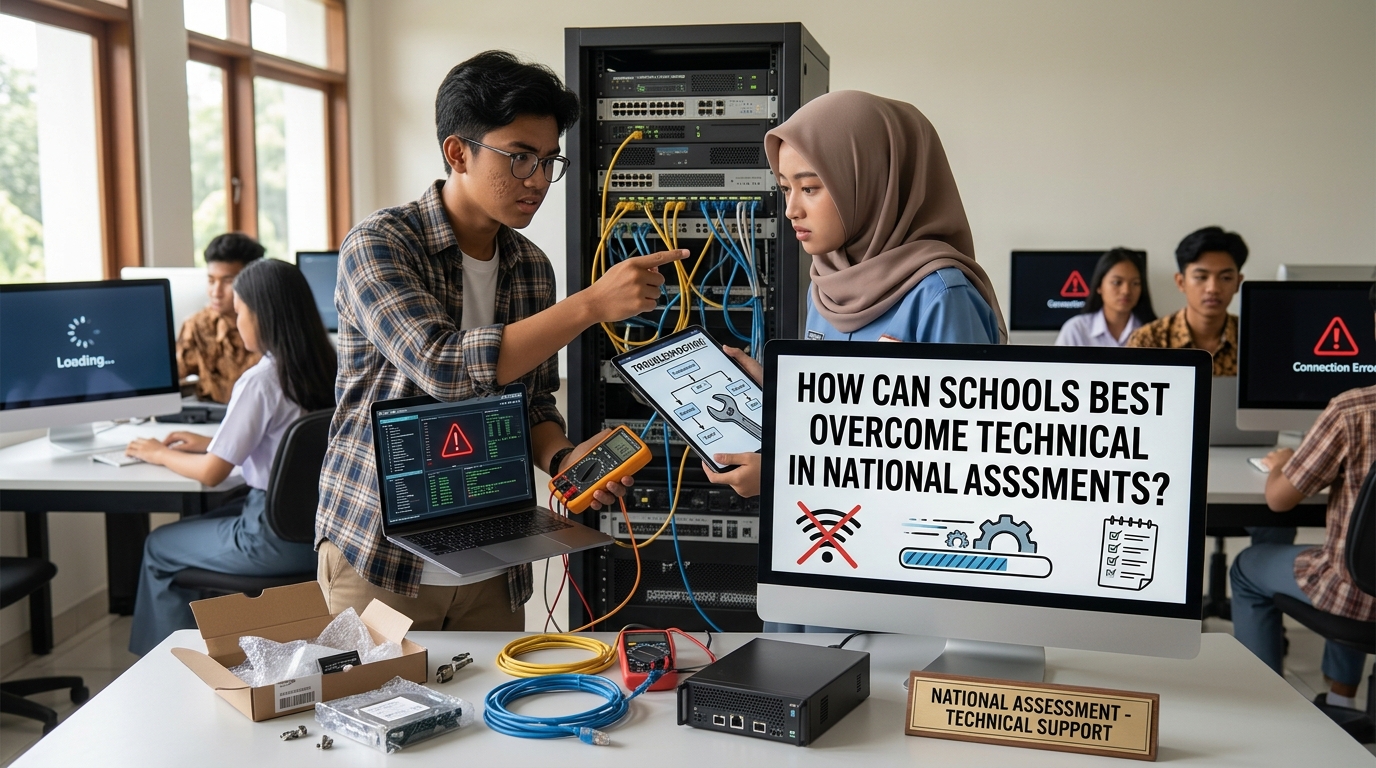
Modernizing school infrastructure is the foundational step required to eliminate technical bottlenecks during nationwide digital testing events. Educational institutions must invest in reliable hardware such as modern desktop computers, tablets, and updated server systems to handle high processing demands. Old or malfunctioning equipment frequently causes unexpected system crashes, which significantly increases student anxiety and disrupts exam schedules. Therefore, school administrators need to allocate dedicated budgets specifically for routine maintenance and timely equipment replacements.
Furthermore, ensuring that all devices meet the minimum technical specifications mandated by educational authorities prevents compatibility errors during exam execution. Upgrading local area networks within school computer laboratories ensures seamless data transmission between student terminals and central servers. By prioritizing structural hardware investments, schools create a stable digital environment capable of supporting large-scale assessments without unexpected interruptions.
IMPLEMENTING ROBUST IT SUPPORT SYSTEMS
Having advanced hardware alone is insufficient if schools lack a dedicated and responsive technical support team to handle sudden emergencies. Educational institutions should establish an on-site help desk staffed by certified IT professionals during every national assessment session. These technicians can quickly diagnose hardware malfunctions, software glitches, or network drops before minor issues escalate into major crises.
Moreover, schools can establish partnerships with regional technology vendors to ensure rapid access to replacement parts and expert consultation when needed. Comprehensive training sessions for proctors and teachers also enable staff members to resolve basic troubleshooting tasks independently. A well-prepared technical support network guarantees that unexpected digital glitches are managed swiftly and efficiently.
CONDUCTING COMPREHENSIVE MOCK TESTS
Simulation exercises are invaluable tools for identifying hidden vulnerabilities within a school's digital testing setup before the official exam day arrives. Organizing comprehensive mock tests allows institutions to stress-test their local network bandwidth and evaluate server capacity under peak load conditions. This practice run helps discover whether simultaneous login attempts by hundreds of students will cause system latency or server timeouts.
Additionally, these rehearsal sessions familiarize students and teachers with the digital platform interface, reducing procedural confusion and nervousness. Any technical friction discovered during the simulation can be addressed and corrected proactively by the IT staff. Ultimately, thorough mock testing minimizes exam-day surprises and ensures a smooth, predictable testing experience for everyone involved.
SECURING STABLE POWER AND INTERNET BACKUPS
Power outages and unstable internet connectivity represent two of the most disruptive threats to successful national assessments in modern schools. Implementing reliable backup systems such as uninterrupted power supplies and diesel generators prevents catastrophic data loss during unexpected blackouts. Schools must ensure that all critical networking equipment and servers remain operational even if the primary electricity grid fails.
Similarly, securing secondary internet connections through alternative service providers guarantees continuous connectivity if the primary broadband link experiences an outage. Redundancy in power and internet supply provides an essential safety net that safeguards the integrity of the evaluation process. Proactive disaster planning ensures that technical disruptions do not compromise student performance or institutional accountability.
CONCLUSION
Overcoming technical challenges in national assessments requires a strategic combination of modernized infrastructure, expert IT support, and rigorous advance preparation. By investing in reliable hardware and maintaining robust power backups, schools can shield their students from frustrating digital disruptions. Furthermore, conducting simulation tests and establishing secondary internet connections ensures absolute readiness for any unexpected technological hurdle.
Educational leaders must view technology management as a continuous commitment rather than a one-time preparation task before exam season begins. When institutions approach digital testing with proactive planning and adequate resources, national assessments run seamlessly and effectively. Ultimately, these targeted technical solutions empower schools to deliver fair, accurate, and stress-free evaluation experiences nationwide.
Recent Posts

Bagaimana Sistem SKS pada Program Kuliah... 22.11.2026/53 View

How Does Technology Make Daily Evaluation... 21.11.2026/82 View

Apa Strategi Menghadapi Kesenjangan antara Kompetensi... 21.11.2026/81 View

Mengapa Inventaris Aset Penting bagi Kelancaran... 21.11.2026/77 View

When Should Musicians Join a Record... 21.11.2026/82 View
