

How Can Schools Develop Engaging Literacy Programs to Motivate Students?
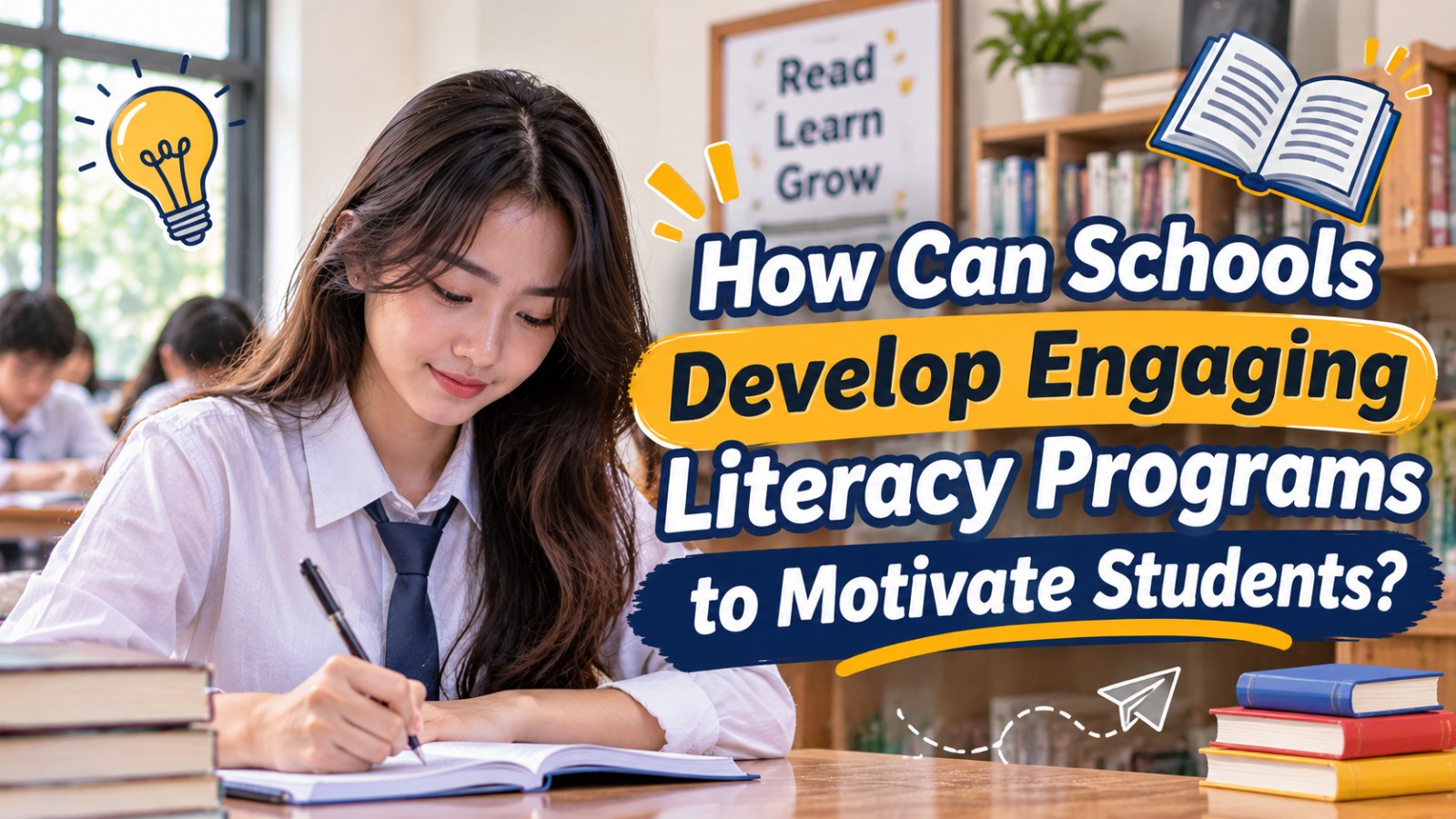
Literacy plays an important role in helping students develop knowledge, communication skills, and critical thinking abilities. However, not every student has a strong interest in reading and writing, especially when literacy activities are presented in repetitive or less engaging ways. Schools need to create creative and enjoyable literacy programs that encourage students to participate actively and develop positive learning habits.
An effective literacy program should provide more than ordinary reading assignments. It should introduce activities that match students' interests, learning abilities, and educational needs. Through storytelling, reading challenges, creative writing, group discussions, and digital learning resources, schools can make literacy activities more attractive. These efforts can help students understand that literacy is not only important for academic achievement but also useful in everyday life.
UNDERSTANDING THE IMPORTANCE OF ENGAGING LITERACY PROGRAMS
Literacy programs are organized educational activities designed to improve students' reading, writing, comprehension, and information-processing skills. These programs help students understand different types of information and develop the ability to communicate their ideas effectively. Schools can implement literacy activities through classroom lessons, library programs, extracurricular activities, and collaborative learning projects.
Engaging literacy programs are important because students have different interests and learning preferences. Some students enjoy reading fictional stories, while others prefer science, technology, history, or educational articles. Providing various reading materials can help students discover topics that motivate them to learn independently.
Furthermore, interesting literacy activities can create a more positive learning environment. When students enjoy reading and writing, they are more likely to participate actively and maintain their interest over time. Therefore, schools should design programs that make literacy accessible, enjoyable, and relevant to students' daily experiences.
PROVIDING INTERESTING AND VARIED READING MATERIALS
One effective strategy for motivating students is providing interesting and varied reading materials. Schools should offer books and educational resources that match students' ages, interests, and reading abilities. These materials can include novels, short stories, biographies, comics, science books, magazines, and educational articles.
A diverse collection allows students to explore different subjects and discover the types of reading materials they enjoy. For example, students interested in technology may prefer books about digital innovation, while those who enjoy storytelling may become more motivated by adventure novels or illustrated stories. Allowing students to select their own reading materials can also increase their sense of independence.
Schools should make these resources easy to access through classroom reading corners, school libraries, and digital collections. Teachers can regularly introduce new books and recommend reading materials based on students' interests. With sufficient choices and convenient access, students can develop a stronger connection with reading activities.
ORGANIZING CREATIVE AND INTERACTIVE LITERACY ACTIVITIES
Literacy programs become more engaging when schools introduce creative activities that encourage active participation. Instead of focusing only on silent reading, teachers can organize storytelling sessions, book reviews, reading competitions, poetry performances, and creative writing projects. These activities allow students to develop different literacy skills while expressing their creativity.
Group discussions are also effective because they encourage students to share opinions and understand different perspectives. After reading a particular story or article, students can discuss its main ideas, characters, messages, and important information. This approach strengthens comprehension, communication, and critical thinking skills.
Schools can also introduce literacy challenges with achievable goals, such as reading a certain number of books within a specific period. Students can record their reading progress through journals or creative presentations. However, these activities should focus on encouraging participation and personal improvement rather than creating unnecessary pressure or competition.
UTILIZING DIGITAL TECHNOLOGY TO IMPROVE STUDENT PARTICIPATION
Digital technology provides new opportunities for schools to develop more interesting literacy programs. Electronic books, educational applications, digital storytelling platforms, and online libraries allow students to access various learning materials through computers, tablets, and smartphones. These resources can make reading activities more flexible and interactive.
Teachers can use multimedia learning materials to introduce stories, explain difficult concepts, and encourage students to explore information independently. For example, students can read digital articles, create short educational presentations, or write stories using digital applications. Such activities combine reading, writing, creativity, and technological skills.
However, schools should ensure that students use digital resources responsibly. Teachers need to explain how to identify reliable information, avoid misleading content, and maintain appropriate online behavior. By combining traditional reading activities with digital learning, schools can develop literacy programs that are relevant to modern educational needs.
INVOLVING TEACHERS AND SCHOOL COMMUNITIES IN LITERACY DEVELOPMENT
The success of school literacy programs depends on cooperation between teachers, students, parents, and other members of the educational community. Teachers play an important role because they guide students, introduce learning materials, and create classroom activities that encourage reading and writing. Their enthusiasm can influence students' attitudes toward literacy.
Schools can provide professional development opportunities to help teachers design creative literacy activities. Teachers from different subjects can also collaborate by introducing reading materials related to their lessons. For example, science teachers can recommend popular science articles, while social studies teachers can encourage students to read historical and cultural materials.
Parents and school communities should also participate in supporting literacy development. Schools can organize family reading events, book donation programs, and educational discussions involving parents. When students receive encouragement both at school and at home, they have more opportunities to develop consistent reading habits and stronger learning motivation.
EVALUATING LITERACY PROGRAMS AND IMPROVING THEIR EFFECTIVENESS
Evaluating literacy programs is essential to determine whether activities are achieving their intended objectives. Schools should observe students' participation, reading interest, comprehension abilities, and progress in writing and communication. These observations help educators understand which activities are effective and which areas require improvement.
Teachers can collect feedback through student discussions, reading journals, short surveys, and classroom assessments. For example, students can explain which reading activities they enjoy most and suggest improvements for future programs. Their opinions provide valuable information for developing activities that match their interests and learning needs.
Schools should also recognize that literacy development takes time and cannot be measured only by the number of books students finish. Improvements in comprehension, vocabulary, confidence, and critical thinking are equally important indicators. By evaluating programs regularly and adjusting their methods, schools can maintain effective literacy activities that encourage long-term student participation.
CONCLUSION
Schools can develop engaging literacy programs by providing varied reading materials, organizing creative activities, utilizing digital technology, involving teachers and families, and evaluating program effectiveness. These strategies help students develop reading interest while improving their comprehension, communication, and critical thinking abilities.
Successful literacy programs require consistent support and activities that reflect students' interests and educational needs. Schools should create environments where reading and writing are enjoyable experiences rather than activities performed only to complete assignments. With effective implementation, literacy programs can motivate students to become independent learners who are knowledgeable, creative, and prepared for future challenges.
Recent Posts

Bagaimana Sistem SKS pada Program Kuliah... 22.11.2026/27 View

How Does Technology Make Daily Evaluation... 21.11.2026/65 View

Apa Strategi Menghadapi Kesenjangan antara Kompetensi... 21.11.2026/65 View

Mengapa Inventaris Aset Penting bagi Kelancaran... 21.11.2026/62 View

When Should Musicians Join a Record... 21.11.2026/63 View
