

How Can Schools Encourage Healthy Lifestyle Habits Through Health Education?
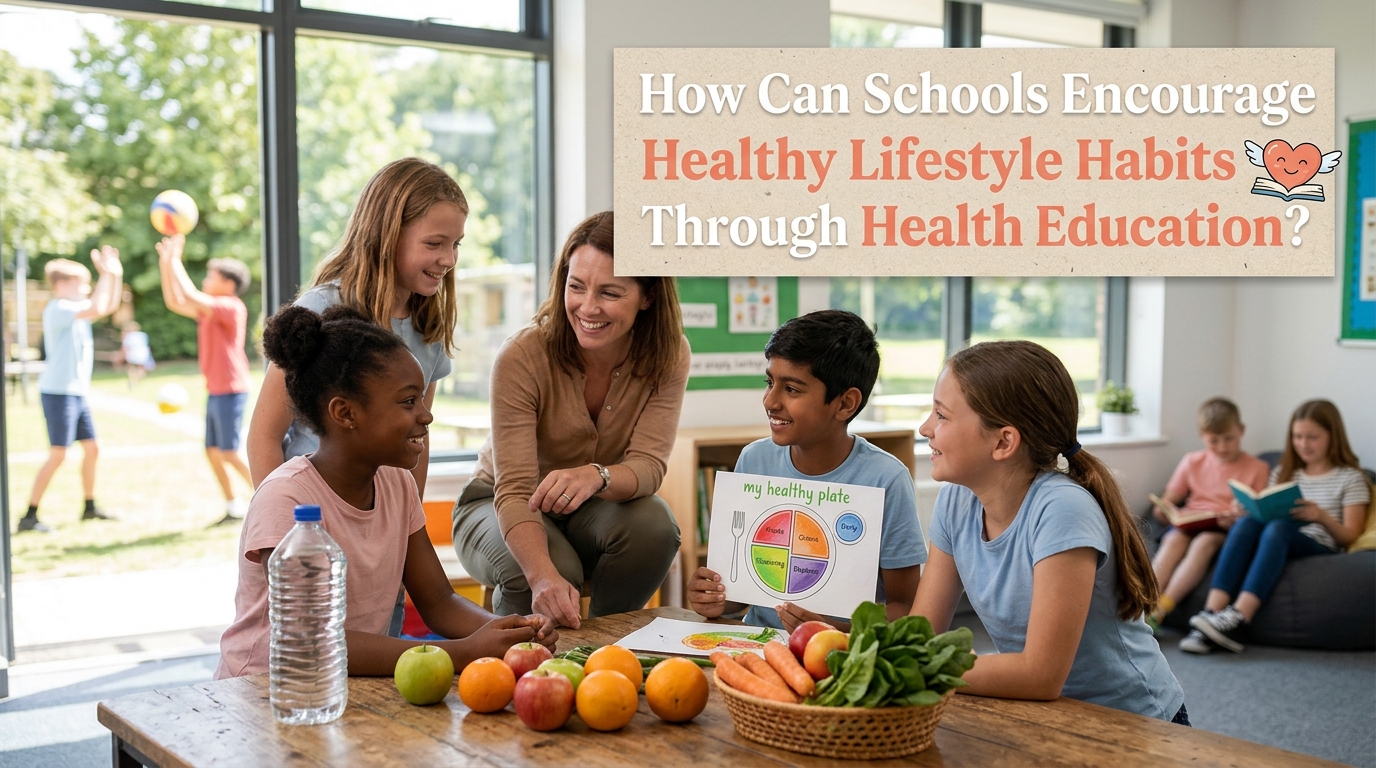
Developing healthy lifestyle habits from an early age is important for maintaining physical health, mental well-being, and overall quality of life. Schools have an important role in helping students understand how daily habits influence their health and development. Through health education, students can learn about balanced nutrition, personal hygiene, physical activity, adequate sleep, and emotional well-being. These lessons provide practical knowledge that students can apply both at school and at home. Therefore, health education is an effective way for schools to encourage healthy lifestyle habits and build a healthier generation.
1. PROVIDING PRACTICAL HEALTH EDUCATION
Schools can encourage healthy lifestyles by providing health education that is easy to understand and relevant to students' daily lives. Students need to learn how their habits influence their physical and mental conditions. Teachers can explain topics such as personal hygiene, nutrition, exercise, disease prevention, and the importance of rest. Lessons can be delivered through classroom discussions, presentations, educational videos, and practical demonstrations. This approach helps students understand health information rather than simply memorizing facts.
Health education should also involve activities that allow students to practice what they learn. For example, teachers can demonstrate proper handwashing techniques or explain how to prepare balanced meals. Students can participate in discussions about common health problems and identify ways to prevent them. Practical learning experiences make health education more interesting and easier to apply in everyday situations.
2. PROMOTING BALANCED NUTRITION AND HEALTHY EATING
Balanced nutrition is an important foundation of a healthy lifestyle. Students need sufficient nutrients to support growth, maintain energy, and improve their ability to participate in learning activities. Schools can teach students about different food groups, including carbohydrates, protein, healthy fats, vitamins, and minerals. They should also explain the benefits of eating fruits, vegetables, and other nutritious foods regularly. This knowledge helps students understand why a balanced diet is important for their development.
Schools can support healthy eating habits by providing nutritious food options in cafeterias and encouraging students to bring healthy meals from home. Educational campaigns about reducing excessive sugar, salt, and highly processed foods can also be useful. In addition, students should be encouraged to drink enough water throughout the day. Healthy eating habits developed during school years can help students make better food choices as they grow older.
3. ENCOURAGING REGULAR PHYSICAL ACTIVITY
Physical activity is essential for maintaining fitness and supporting children's physical development. Schools can encourage students to become more active through physical education lessons, sports competitions, group exercises, and outdoor activities. Regular movement helps improve muscle strength, coordination, cardiovascular fitness, and overall physical health. It can also support mental well-being by helping students manage stress and improve their mood. These benefits make physical activity an important part of school health education.
Schools should provide opportunities for students with different interests and physical abilities to participate in activities. Simple activities such as walking, stretching, dancing, and playing outdoor games can make exercise more enjoyable. Teachers can also encourage students to reduce excessive sitting and take active breaks between lessons when appropriate. Regular physical activity helps students develop an active lifestyle that supports their long-term health.
4. DEVELOPING GOOD PERSONAL HYGIENE HABITS
Personal hygiene is one of the basic elements of a healthy lifestyle. Students should understand the importance of keeping their bodies, clothes, and surroundings clean. Schools can teach habits such as washing hands with soap, brushing teeth twice a day, bathing regularly, and maintaining clean nails. These practices help reduce exposure to germs and prevent certain infections. When students understand the benefits of hygiene, they are more likely to practice it consistently.
Schools should also provide facilities that support personal hygiene, including clean toilets, handwashing stations, soap, and safe drinking water. Teachers can organize hygiene campaigns and demonstrations to make these lessons more engaging. Students can also participate in classroom cleanliness activities and proper waste disposal programs. Good personal hygiene protects individual health while contributing to a cleaner school environment.
5. TEACHING THE IMPORTANCE OF ADEQUATE SLEEP
Adequate sleep is essential for students' physical growth, brain development, and emotional health. Students who do not get enough sleep may experience tiredness, difficulty concentrating, irritability, and reduced learning performance. Through health education, schools can explain why children and teenagers need sufficient rest according to their age and individual needs. Students should also learn how sleep supports memory, attention, and the body's recovery processes. This information can encourage them to develop more consistent sleeping routines.
Schools can provide guidance about maintaining healthy sleep habits, such as limiting screen time before bedtime and avoiding excessive caffeine consumption. Students should also learn to balance academic responsibilities with rest and recreational activities. Parents can support these habits by helping children maintain regular sleep schedules at home. Sufficient and quality sleep is an important part of a healthy lifestyle and better learning readiness.
6. SUPPORTING MENTAL AND EMOTIONAL WELL-BEING
A healthy lifestyle involves more than physical fitness because mental and emotional health are equally important. Students may experience stress from academic responsibilities, social relationships, family situations, or personal challenges. Schools can provide health education about recognizing emotions, managing stress, developing self-confidence, and building positive relationships. These lessons help students understand that mental health deserves attention and support. They also encourage students to seek help when they experience emotional difficulties.
Teachers can create a supportive classroom environment where students feel respected and comfortable expressing their concerns. Schools can also provide access to counselors or qualified mental health professionals when necessary. Activities such as relaxation exercises, positive communication, and group discussions may help students develop healthy coping skills. Mental and emotional well-being supports students' confidence, social development, and ability to participate in learning activities.
7. CREATING A CLEAN AND HEALTHY SCHOOL ENVIRONMENT
The school environment has a significant influence on students' daily health habits. Clean classrooms, proper ventilation, safe drinking water, and hygienic toilets help create a comfortable place for learning. Schools should establish regular cleaning schedules and encourage students to maintain cleanliness in shared spaces. Proper waste disposal and environmental awareness activities can also help reduce sanitation problems. These efforts teach students that maintaining health is connected to the condition of their surroundings.
Schools can organize activities such as classroom cleaning campaigns, recycling programs, and school garden projects. Students can work together to keep their environment clean and learn about the importance of environmental responsibility. School management should also ensure that sanitation facilities are maintained properly. A clean and healthy school environment makes it easier for students to practice healthy habits every day.
8. REDUCING UNHEALTHY HABITS AND RISKY BEHAVIORS
Health education helps students understand the consequences of habits that may negatively affect their health. Examples include smoking, consuming excessive sugary drinks, eating unbalanced meals, being physically inactive, and spending too much time using digital devices without breaks. Schools should explain these risks using accurate information and age-appropriate educational methods. Students also need to understand how unhealthy habits can affect their development and future well-being. This knowledge helps them make more responsible decisions.
Teachers can use discussions, educational campaigns, and real-life examples to encourage healthier choices. Students should also develop critical thinking skills so they can recognize misleading health information and negative peer pressure. Schools should provide positive alternatives, such as sports activities, creative hobbies, and healthy social interactions. Preventing unhealthy behaviors is an important step toward building a healthier lifestyle during adolescence and adulthood.
9. INVOLVING PARENTS IN HEALTH EDUCATION
Parents play an important role in helping students maintain healthy habits outside school. Lessons about nutrition, hygiene, exercise, and sleep become more effective when students receive consistent support at home. Schools can involve parents through health seminars, parent meetings, educational materials, and family health campaigns. These activities help parents understand the importance of supporting their children's daily routines. Cooperation also makes it easier to identify health concerns that may require additional attention.
Parents can encourage children to eat balanced meals, drink enough water, participate in physical activities, and maintain regular sleeping schedules. They can also provide guidance about responsible technology use and emotional well-being. Schools should communicate health information clearly so families can apply the recommendations according to their circumstances. Cooperation between schools and parents creates a stronger foundation for developing healthy lifestyle habits.
10. EVALUATING THE EFFECTIVENESS OF SCHOOL HEALTH EDUCATION
Schools need to evaluate their health education programs to understand whether the activities are effective. Evaluation can be carried out by observing students' participation, reviewing their health knowledge, and monitoring changes in daily habits. Teachers can use questionnaires, classroom discussions, and practical activities to identify areas that need improvement. Schools can also review the availability of healthy food, sanitation facilities, and opportunities for physical activity. These evaluations provide useful information for improving future health programs.
In addition, schools can cooperate with healthcare professionals to assess specific health education needs. Feedback from students, parents, and teachers can help schools develop more relevant activities. Programs should be adjusted according to students' ages, health conditions, and available resources. Regular program evaluation helps ensure that health education remains useful, practical, and responsive to students' needs.
CONCLUSION
Schools can encourage healthy lifestyle habits through consistent and practical health education. By teaching students about balanced nutrition, physical activity, personal hygiene, adequate sleep, and mental well-being, schools help them develop important skills for maintaining their health. Providing a clean environment and involving parents also makes these efforts more effective. Health education should not be limited to classroom lessons but should become part of students' daily experiences. Ultimately, healthy lifestyle habits developed at school can support students' well-being, improve their learning readiness, and contribute to a healthier future generation.
Recent Posts

Bagaimana Sistem SKS pada Program Kuliah... 22.11.2026/35 View

How Does Technology Make Daily Evaluation... 21.11.2026/69 View

Apa Strategi Menghadapi Kesenjangan antara Kompetensi... 21.11.2026/70 View

Mengapa Inventaris Aset Penting bagi Kelancaran... 21.11.2026/67 View

When Should Musicians Join a Record... 21.11.2026/69 View
