

How Can Schools Improve Student Achievement Through the MAPSI Competition?
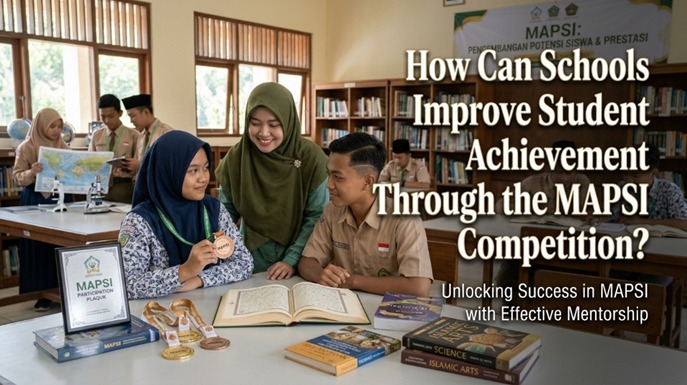
Student achievement is an important indicator of educational development. Schools are expected not only to improve academic performance but also to develop students' talents, creativity, confidence, and positive character. One activity that can support these goals is the MAPSI Competition (Islamic Religious Education and Arts Competition).
MAPSI provides students with opportunities to demonstrate their knowledge, religious understanding, and artistic abilities through various competitive activities. Beyond winning awards, this competition can encourage students to become more disciplined, responsible, and motivated to learn. With proper planning and guidance, schools can use MAPSI as an effective educational activity to support students' overall development.
So, how can schools improve student achievement through the MAPSI Competition? Here are several strategies that schools can apply to maximize its benefits.
1. IDENTIFYING STUDENTS' TALENTS AND POTENTIAL
The first step schools can take is identifying students' interests, talents, and abilities before selecting MAPSI participants. Every student has different strengths, such as Quran recitation, Islamic knowledge, religious speeches, or artistic activities. Understanding these differences helps teachers recommend competition categories that match each student's potential.
Schools can organize simple assessments, classroom activities, and talent identification programs to discover students who are interested in participating. This approach ensures that students receive opportunities based on their abilities rather than being selected randomly. Proper talent identification helps students develop their strengths and gives them a better foundation for achieving positive competition results.
2. PROVIDING REGULAR AND STRUCTURED TRAINING
Consistent preparation is essential for improving student achievement in the MAPSI Competition. Schools should provide structured training sessions that allow participants to practice their skills and understand the requirements of their chosen competition categories. Training can include theoretical learning, practical exercises, simulations, and performance evaluations.
Teachers or coaches should also create realistic practice schedules that consider students' academic responsibilities. Regular feedback helps participants recognize their weaknesses and improve their performance gradually. With consistent training and proper guidance, students can become better prepared, more confident, and more capable of achieving their goals.
3. IMPROVING TEACHERS' GUIDANCE AND SUPPORT
Teachers play an important role in helping students prepare for MAPSI. They can provide learning materials, explain competition requirements, demonstrate appropriate techniques, and guide students throughout the preparation process. Their experience and knowledge can help participants understand what they need to improve.
In addition, teachers should create a supportive learning environment where students feel comfortable asking questions and discussing difficulties. Constructive feedback is important because it helps students develop without feeling discouraged by mistakes. Effective teacher guidance can improve learning quality while motivating students to reach their full potential.
4. PROVIDING COMPLETE LEARNING FACILITIES
Adequate facilities can support students during MAPSI preparation. Schools should provide suitable practice spaces, learning materials, and equipment according to the needs of each competition category. For example, students preparing for Quran recitation need appropriate learning materials and a quiet practice environment.
Meanwhile, students participating in artistic activities may require musical instruments, creative materials, or other supporting equipment, depending on the competition rules. Schools do not always need expensive facilities, but they should ensure that available resources are used effectively. Accessible learning facilities make training more comfortable and help students practice their abilities consistently.
5. BUILDING STUDENTS' CONFIDENCE AND MOTIVATION
Confidence is an important factor that influences students' performance in competitions. Even students with strong abilities may struggle when they feel nervous or afraid of making mistakes. Therefore, schools should help participants develop confidence through practice performances, positive encouragement, and constructive evaluation.
Teachers can organize internal competitions or simulation sessions before the actual MAPSI event. These activities allow students to become familiar with competition situations and learn how to manage nervousness. Providing appreciation for effort and progress can also strengthen motivation. As a result, students become more prepared to demonstrate their abilities with confidence and a positive attitude.
6. ENCOURAGING DISCIPLINE AND INDEPENDENT LEARNING
MAPSI preparation requires students to develop discipline and take responsibility for their learning process. Schools can encourage participants to create personal practice schedules, complete assignments, and evaluate their own progress. These habits help students understand that achievement depends on continuous effort.
Independent learning is also important because students need to improve their knowledge beyond scheduled training sessions. They can review learning materials, practice specific skills, and ask teachers for feedback when necessary. By developing discipline and learning independence, students become more responsible and better prepared to face academic and non-academic challenges.
7. CREATING A HEALTHY AND SUPPORTIVE COMPETITION ENVIRONMENT
A positive competition environment helps students focus on learning and personal development rather than feeling pressured to win. Schools should teach participants to respect other competitors, follow competition rules, and appreciate different abilities. These attitudes help create a healthy atmosphere throughout the MAPSI preparation and competition process.
Teachers should also explain that winning is not the only measure of achievement. Students who participate, improve their skills, and demonstrate good sportsmanship have also gained valuable experiences. Healthy competition encourages students to challenge themselves while maintaining respect, honesty, and humility.
8. INVOLVING PARENTS IN STUDENT DEVELOPMENT
Parents can provide important support during students' MAPSI preparation. Their involvement may include encouraging regular practice, helping children manage their time, and providing emotional support when students face difficulties. Positive encouragement at home can make students feel more motivated and appreciated.
Schools can maintain communication with parents to share students' progress and discuss their preparation needs. However, parents should avoid putting excessive pressure on children to achieve particular results. Cooperation between schools and families creates a supportive environment that helps students develop their abilities while maintaining a healthy balance between education and personal life.
9. EVALUATING STUDENT PERFORMANCE AFTER THE COMPETITION
Evaluation is an important step that schools should not overlook after MAPSI ends. Teachers can review students' performances, identify strengths and weaknesses, and discuss areas that need further improvement. This process helps schools understand whether their preparation strategies have been effective.
Students should also be encouraged to reflect on their experiences and recognize the lessons they have gained. If they achieve awards, schools can appreciate their efforts. If they do not win, teachers can help them view the experience as an opportunity to learn and improve. Through continuous evaluation, schools can develop better training programs and support future student achievement.
10. MAKING MAPSI PART OF CONTINUOUS SCHOOL DEVELOPMENT
Schools can maximize the benefits of MAPSI by connecting competition activities with their broader educational programs. The knowledge and skills developed during preparation should continue to be encouraged through classroom learning, extracurricular activities, and religious education programs.
For example, students who improve their Quran recitation skills can share their knowledge through school religious activities. Students who develop public speaking abilities can participate in presentations or other school events. This approach ensures that the benefits of MAPSI continue beyond the competition itself. Continuous development programs help schools create a learning environment that supports academic, religious, social, and personal achievement.
CONCLUSION
Schools can improve student achievement through the MAPSI Competition by providing proper training, identifying students' talents, strengthening teacher guidance, and creating a supportive learning environment. Involving parents, providing adequate facilities, and evaluating student performance are also important steps in maximizing the benefits of the competition.
Most importantly, schools should understand that MAPSI is not simply an event for winning awards. It is an educational opportunity to develop knowledge, creativity, confidence, discipline, and Islamic character. With consistent support from teachers, parents, and school communities, MAPSI can become a meaningful part of efforts to develop talented, responsible, and high-achieving students.
Recent Posts

How Does Technology Make Daily Evaluation... 21.11.2026/62 View

Apa Strategi Menghadapi Kesenjangan antara Kompetensi... 21.11.2026/63 View

Mengapa Inventaris Aset Penting bagi Kelancaran... 21.11.2026/59 View

When Should Musicians Join a Record... 21.11.2026/58 View

Daily Evaluation or Daily Planning Which... 21.11.2026/66 View
