

How Can Schools Improve Their Health Services Through an Effective School Health Program?
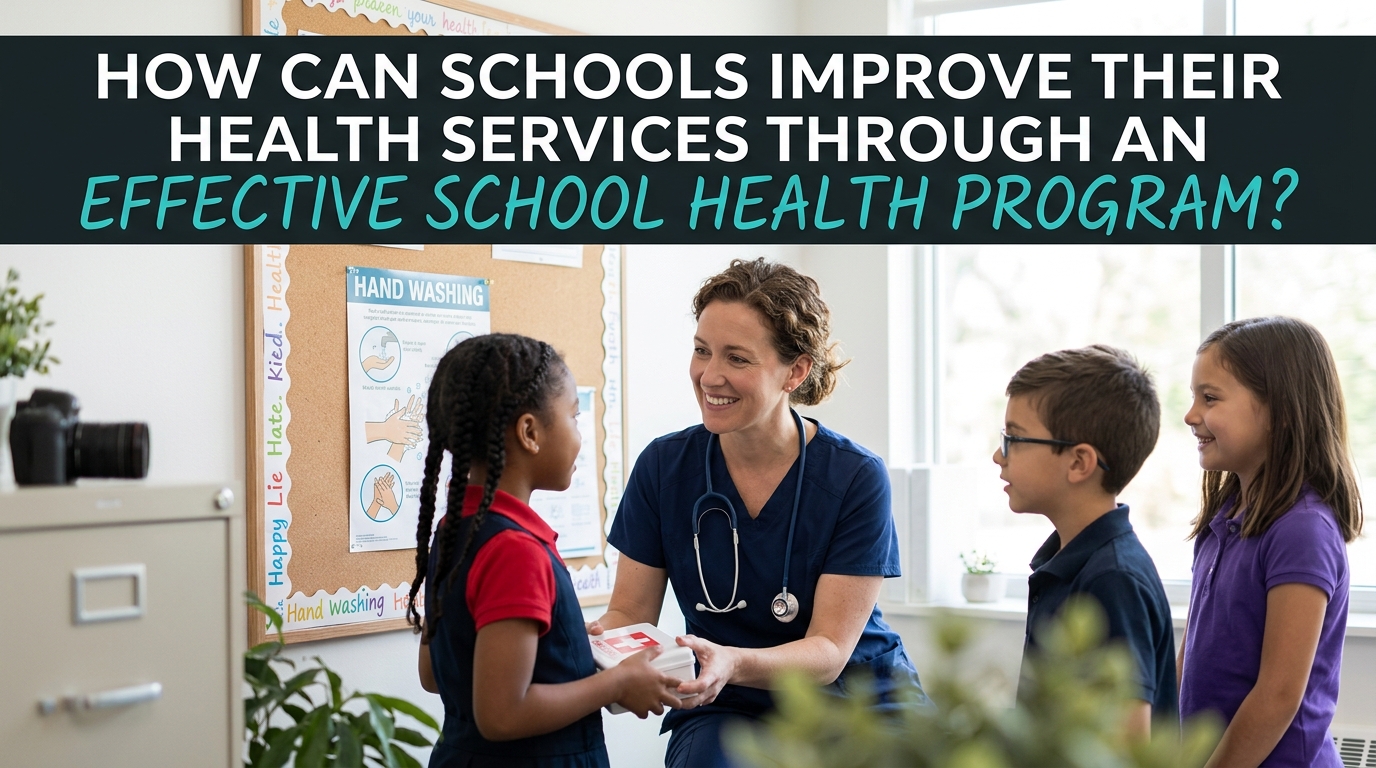
Good health is an important foundation for students to learn, grow, and achieve their potential. Schools are not only responsible for providing academic education but also need to create an environment that supports students' physical, mental, and social well-being. One way to achieve this goal is by developing an effective School Health Program. Through well-organized health services, education, and preventive activities, schools can respond to students' health needs more effectively.
However, providing health services at school requires more than preparing a room with basic medical equipment. Schools need clear procedures, trained personnel, adequate facilities, and cooperation with parents and healthcare providers. An effective School Health Program helps schools prevent health problems, respond to common medical needs, and encourage healthy habits among students. With proper planning and regular evaluation, schools can improve the quality of their health services and create a safer learning environment.
UNDERSTANDING THE SCHOOL HEALTH PROGRAM
A School Health Program is a structured set of activities designed to protect and improve the health of students and the wider school community. It generally includes three important components: health education, health services, and a healthy school environment. These components work together to help students understand health, access basic assistance, and practice healthy behaviors in their daily lives. In Indonesia, these efforts are commonly associated with the Usaha Kesehatan Sekolah (UKS) program.
A well-managed program should be adjusted to the needs and resources of each school. For example, schools can provide basic first aid, organize health education sessions, promote personal hygiene, and coordinate health screenings with qualified healthcare professionals. The program should also establish procedures for handling emergencies and referring students who need further medical attention. The main purpose is to make health support accessible, organized, and consistent throughout the school year.
PROVIDE ADEQUATE HEALTH FACILITIES AND EQUIPMENT
One important step in improving school health services is preparing suitable facilities. Schools should provide a clean, comfortable, and accessible health room where students can receive basic assistance when they feel unwell or experience minor injuries. The room should have proper ventilation, adequate lighting, a suitable resting area, and access to clean water. It should also protect students' privacy as much as possible.
Basic equipment should be available according to the school's needs and applicable health guidelines. Examples include first-aid supplies, disposable gloves, bandages, antiseptic products, a thermometer, and other appropriate basic tools. Equipment and supplies need to be checked regularly to ensure they are clean, safe, and not expired. Adequate facilities allow school staff to provide more organized initial care while waiting for parents or professional medical assistance when necessary.
INVOLVE TRAINED PERSONNEL IN HEALTH SERVICES
The quality of school health services depends greatly on the people responsible for managing them. Schools should appoint staff members who understand basic health procedures and know how to respond appropriately to common situations. Teachers or designated school personnel can receive training in basic first aid, emergency response, hygiene practices, and student health protection. This preparation helps them act calmly and follow established procedures when students need assistance.
Schools should also build partnerships with local health centers, clinics, or other qualified healthcare providers. Healthcare professionals can support health screenings, provide educational sessions, offer technical guidance, and help schools identify students who need further examination. School personnel must understand the limits of their responsibilities and avoid providing medical treatment beyond their training. Cooperation with qualified health professionals helps ensure that students receive appropriate care and timely referrals.
STRENGTHEN HEALTH EDUCATION AND PREVENTION
Health education is a central part of an effective School Health Program because it helps students understand how to protect themselves. Schools can organize lessons and campaigns about personal hygiene, balanced nutrition, physical activity, oral health, and disease prevention. Students should also learn the importance of handwashing, drinking safe water, getting enough sleep, and maintaining clean surroundings. These topics can be included in classroom activities or delivered through special health programs.
Preventive education is important because many common health problems can be reduced through simple daily habits. For example, proper handwashing can help limit the spread of infectious diseases, while balanced nutrition supports healthy growth and development. Schools can use posters, demonstrations, group discussions, and practical activities to make health information easier to understand. Teaching prevention encourages students to take responsibility for their own health instead of waiting until they become ill.
IMPROVE STUDENT HEALTH SCREENING AND EARLY DETECTION
Regular health screening can help schools identify potential health concerns before they become more serious. Depending on available resources and professional guidance, screening activities may cover vision, hearing, dental health, nutritional status, and general physical development. These activities should be conducted by or in coordination with qualified healthcare personnel. Schools must also explain the purpose of screening to parents and follow applicable consent and privacy requirements.
Early identification allows parents and healthcare providers to take appropriate action when a student needs further assessment. For example, a student who has difficulty seeing the classroom board may benefit from an eye examination. Similarly, signs of nutritional problems or recurring health complaints may require further attention. Health screening does not replace a medical diagnosis, but it can help identify concerns that should be followed up by professionals.
CREATE A CLEAN AND SAFE SCHOOL ENVIRONMENT
A healthy school environment is essential for improving the quality of school health services. Students spend many hours at school, so classrooms, toilets, playgrounds, and other facilities need to be maintained properly. Schools should ensure access to clean drinking water, functional handwashing facilities, hygienic toilets, and suitable waste disposal systems. Regular cleaning schedules can help reduce conditions that contribute to the spread of illness.
Safety should also be considered in every school area. School administrators need to inspect classrooms, stairs, sports facilities, electrical equipment, and playgrounds to identify possible hazards. Any dangerous conditions should be repaired or managed as soon as possible. Students can also be encouraged to participate in cleaning activities and follow safety rules. A clean and safe environment supports disease prevention, reduces avoidable risks, and makes students more comfortable during learning activities.
PAY ATTENTION TO STUDENTS' MENTAL AND EMOTIONAL HEALTH
An effective School Health Program should consider mental and emotional well-being as part of overall student health. Students may experience stress due to academic demands, bullying, friendship problems, family difficulties, or social pressure. If these concerns are ignored, they may affect students' behavior, relationships, and participation in learning activities. Schools should therefore create an atmosphere where students feel respected, safe, and comfortable asking for help.
School counselors and other qualified professionals can provide appropriate support for students experiencing emotional difficulties. Schools can also organize anti-bullying campaigns, mental health education, peer support activities, and programs that encourage positive communication. Teachers should be aware of significant changes in student behavior and know how to refer concerns to the appropriate staff. Mental health support must respect students' privacy and involve professional services when a concern requires specialized care.
BUILD STRONG COOPERATION WITH PARENTS AND HEALTHCARE PROVIDERS
School health services become more effective when schools work together with families and healthcare providers. Parents have an important role because they understand their children's health history, daily habits, and specific needs. Schools should maintain clear communication with parents about health activities, screening results, illness prevention, and situations that require further medical attention. Information should be shared responsibly while protecting students' personal health details.
Partnerships with community health centers and other healthcare facilities can also strengthen school programs. Healthcare professionals may help organize vaccination information, health examinations, educational activities, and referrals in accordance with applicable policies. Schools can coordinate schedules and responsibilities so that health activities do not interfere unnecessarily with learning. Strong cooperation ensures that students receive more consistent support both at school and at home.
MONITOR AND EVALUATE THE SCHOOL HEALTH PROGRAM
Improving school health services requires regular monitoring and evaluation. Schools should review whether health facilities are functioning properly, first-aid supplies are available, and health education activities are being carried out as planned. They can also collect feedback from students, teachers, parents, and healthcare partners to understand which services are useful and which areas need improvement. Evaluation should focus on practical outcomes rather than simply counting the number of activities.
Schools can use the findings to update procedures, improve facilities, arrange additional training, and plan future health activities. For example, repeated reports of stomach discomfort may encourage schools to review food hygiene and drinking water facilities. Meanwhile, feedback about limited access to the health room may lead to improvements in its location or operating procedures. Continuous evaluation helps schools maintain service quality and respond to changing student health needs.
CONCLUSION
Schools can improve their health services through an effective School Health Program that combines proper facilities, trained personnel, health education, preventive care, and a clean and safe environment. Regular health screening, mental health support, and cooperation with parents and healthcare providers also play important roles in protecting student well-being.
However, a successful program requires consistent planning, clear responsibilities, and regular evaluation. Schools should ensure that basic services are delivered safely and that students who need professional medical care receive appropriate referrals. By strengthening every part of the program, schools can create a healthier environment where students feel supported, develop positive habits, and participate more comfortably in learning activities.
Recent Posts

Bagaimana Sistem SKS pada Program Kuliah... 22.11.2026/35 View

How Does Technology Make Daily Evaluation... 21.11.2026/69 View

Apa Strategi Menghadapi Kesenjangan antara Kompetensi... 21.11.2026/70 View

Mengapa Inventaris Aset Penting bagi Kelancaran... 21.11.2026/67 View

When Should Musicians Join a Record... 21.11.2026/69 View
