

How Can Schools Increase Student Enthusiasm for Flag Ceremonies?
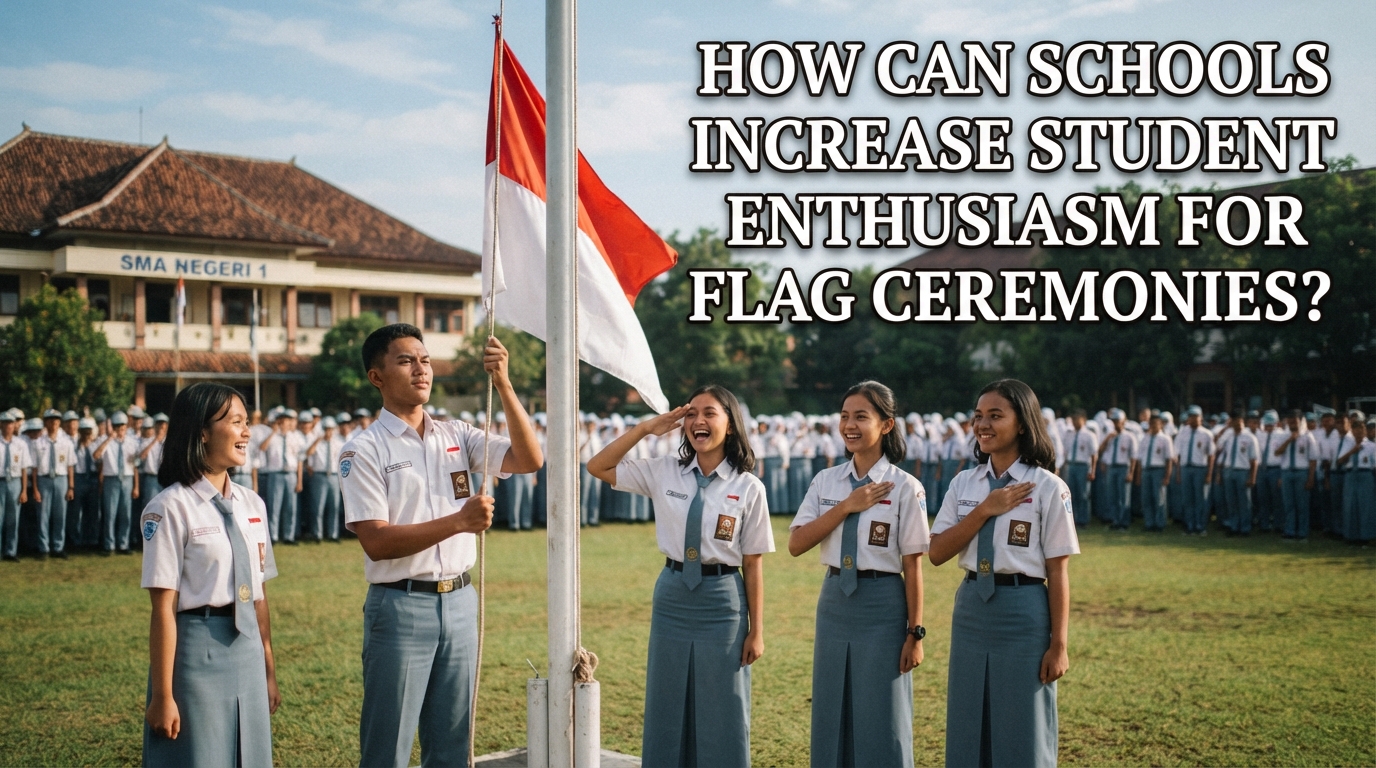
Flag ceremonies are important educational activities that help students develop nationalism, discipline, responsibility, and respect for national symbols. However, some students consider these activities repetitive because they are conducted regularly, especially on Monday mornings. As a result, they may participate without understanding the meaning and educational values behind the ceremony.
Schools play an important role in making flag ceremonies more interesting, meaningful, and enjoyable for students. By introducing creative approaches, providing opportunities for student participation, and delivering relevant messages, schools can encourage students to become more enthusiastic. These efforts can transform flag ceremonies from ordinary weekly routines into valuable learning experiences that support students' character development.
MAKING FLAG CEREMONIES MORE INTERACTIVE
One effective way to increase student enthusiasm is to make flag ceremonies more interactive. Schools can involve students in different responsibilities, such as becoming ceremony leaders, flag raisers, text readers, prayer leaders, and national anthem conductors. Giving students opportunities to participate directly helps them feel more involved and responsible for the success of the activity.
Schools can also introduce student-led presentations or short educational messages during appropriate parts of the ceremony. For example, selected students can share interesting information about national heroes, historical events, or important national values. These activities create opportunities for students to learn actively instead of simply standing and listening throughout the ceremony.
DELIVERING INTERESTING AND MOTIVATIONAL SPEECHES
Speeches delivered during flag ceremonies can influence how students view the activity. If the messages are always repetitive or too formal, students may lose interest and find it difficult to concentrate. Therefore, teachers and school principals should deliver interesting, relevant, and motivational messages that connect with students' everyday experiences.
Topics can include friendship, academic achievement, digital responsibility, environmental awareness, leadership, and future career preparation. Speakers can also use simple examples and inspiring stories to make their messages easier to understand. By presenting useful information in an engaging way, schools can help students recognize that flag ceremonies provide valuable lessons beyond honoring the national flag.
INVOLVING STUDENTS IN CEREMONY PLANNING
Student involvement in planning can make flag ceremonies more meaningful. Schools can encourage student councils, class representatives, and ceremony officers to contribute ideas about how the activity should be organized. This approach gives students a sense of ownership and teaches them that their opinions and contributions are important.
Students can help prepare the ceremony schedule, organize equipment, select appropriate educational themes, and coordinate officer assignments under teacher supervision. These responsibilities also develop leadership, teamwork, communication, and organizational skills. When students become part of the preparation process, they may feel more motivated to participate because they understand their contribution to the activity.
INTRODUCING CREATIVE AND EDUCATIONAL ACTIVITIES
Schools can increase student enthusiasm by introducing creative educational activities that support the main purpose of flag ceremonies. For example, schools can organize short presentations about national heroes, important historical events, or the meaning of national symbols. These activities help students discover new information while maintaining the educational character of the ceremony.
Another approach is to introduce monthly themes related to nationalism, discipline, unity, and student character development. Teachers can also connect these themes with classroom discussions or school projects. However, creative activities should remain appropriate for a formal ceremony and should not interfere with its essential procedures. This balance helps create meaningful and engaging learning experiences.
PROVIDING APPRECIATION AND POSITIVE RECOGNITION
Appreciation can encourage students to participate more enthusiastically in flag ceremonies. Schools can recognize students who demonstrate discipline, punctuality, responsibility, and commitment during the activity. Recognition may be given through certificates, public appreciation, or positive feedback from teachers.
Students who serve as ceremony officers can also receive constructive evaluations and encouragement after completing their responsibilities. This helps them understand their strengths and identify areas that need improvement. Positive recognition should be fair and focus on genuine effort rather than competition alone. Through this approach, schools can develop student motivation and a positive learning environment.
CREATING A COMFORTABLE AND WELL-ORGANIZED ENVIRONMENT
The physical environment can influence students' enthusiasm during flag ceremonies. Schools should ensure that the ceremony area is clean, safe, and properly arranged so participants can stand comfortably. The sound system should also function properly to ensure that instructions, speeches, and the national anthem can be heard clearly.
In addition, schools should organize the duration and sequence of activities effectively. Ceremonies should follow the appropriate procedures without unnecessary delays or overly long speeches. Teachers should also consider weather conditions and student safety when planning outdoor activities. A comfortable, organized, and safe environment allows students to concentrate and participate more respectfully.
EXPLAINING THE MEANING AND IMPORTANCE OF FLAG CEREMONIES
Students are more likely to appreciate flag ceremonies when they understand their purpose. Schools should explain that these activities are not simply weekly traditions but also opportunities to remember national history, respect independence, and strengthen national identity. Understanding these values can help students develop a stronger connection with the ceremony.
Teachers can introduce the meaning of the national flag, the national anthem, and the contributions of national heroes through age-appropriate explanations. They can also encourage students to reflect on how nationalism and responsibility can be demonstrated in daily life. When students understand the reasons behind each activity, they are more likely to participate with awareness, respect, and genuine enthusiasm.
EVALUATING STUDENT PARTICIPATION AND PROVIDING FEEDBACK
Regular evaluation helps schools understand whether their efforts to increase student enthusiasm are effective. Teachers can observe student participation, punctuality, discipline, and cooperation during ceremonies. They can also ask students for feedback about which activities are useful and what improvements they would like to see.
The results of these evaluations can become a basis for improving future ceremonies. For example, schools may adjust the organization, improve communication, or introduce more relevant educational themes. Students should also receive constructive suggestions that help them develop better attitudes and responsibilities. Through continuous evaluation, schools can maintain student engagement and the educational quality of flag ceremonies.
CONCLUSION
Schools can increase student enthusiasm for flag ceremonies by making activities more interactive, delivering motivational speeches, involving students in planning, and introducing creative educational approaches. Providing positive recognition, maintaining a comfortable environment, and explaining the meaning of national symbols are also important steps.
The main goal is to ensure that students do not participate merely because they are required to attend. Instead, they should understand the educational values and benefits of every activity. With proper guidance and consistent improvements, flag ceremonies can become more meaningful experiences that strengthen nationalism, discipline, leadership, and student responsibility.
Recent Posts

How Does Technology Make Daily Evaluation... 21.11.2026/58 View

Apa Strategi Menghadapi Kesenjangan antara Kompetensi... 21.11.2026/60 View

Mengapa Inventaris Aset Penting bagi Kelancaran... 21.11.2026/56 View

When Should Musicians Join a Record... 21.11.2026/55 View

Daily Evaluation or Daily Planning Which... 21.11.2026/63 View
