

How Can Schools Increase Student Participation in Health Awareness Activities?
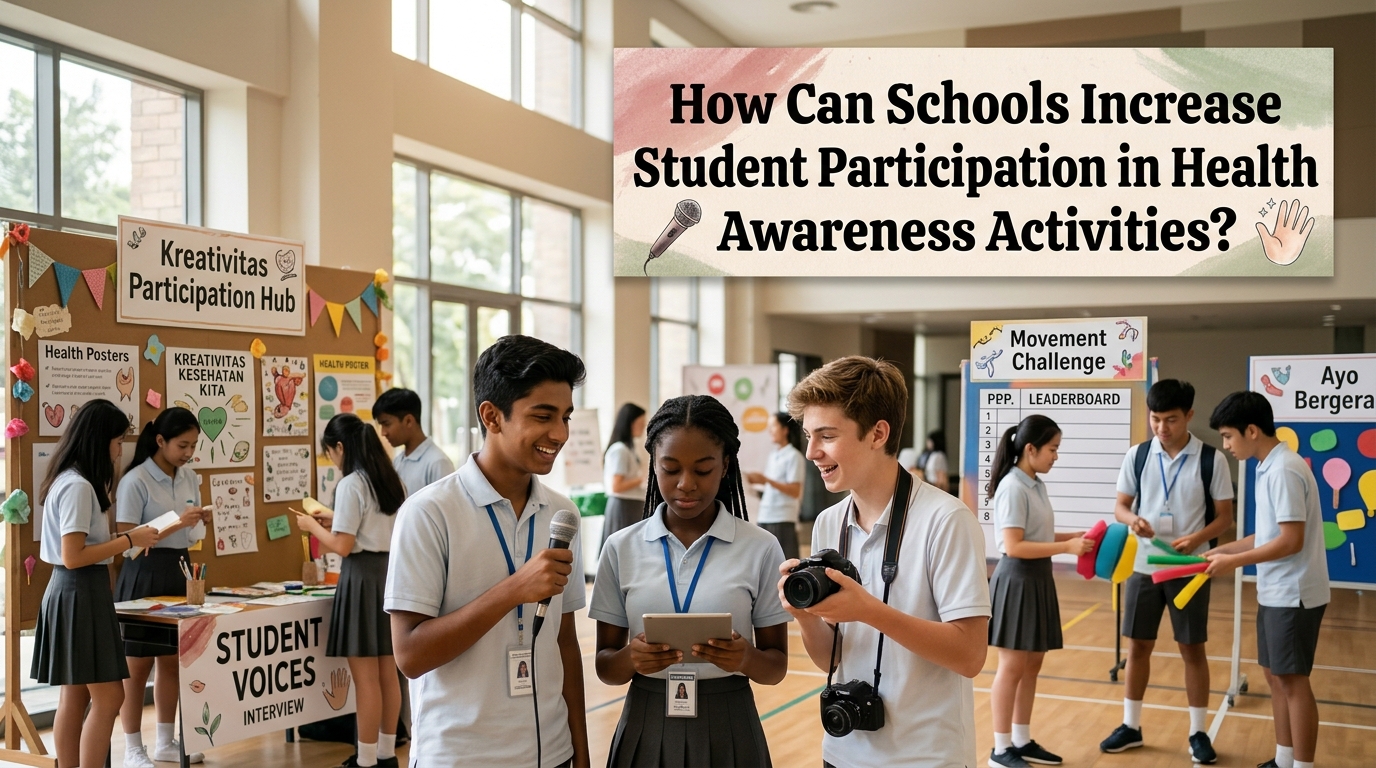
Health awareness activities play an important role in helping students understand how to maintain their physical, mental, and social well-being. Through these activities, students can learn about personal hygiene, balanced nutrition, physical activity, disease prevention, mental health, and other essential health topics. However, providing health information alone is not always enough to encourage students to practice healthy behaviors. Schools also need to make health activities interesting, relevant, and accessible so that students are willing to participate actively.
Student participation is one of the key factors that determine the success of school health programs. When students are directly involved, they have more opportunities to understand health information, develop practical skills, and build positive habits. Therefore, schools need effective strategies to increase student participation in health awareness activities. By creating engaging programs and involving teachers, parents, and the wider school community, schools can build a stronger culture of health and well-being.
1. MAKE HEALTH AWARENESS ACTIVITIES INTERESTING AND INTERACTIVE
One of the most effective ways to increase student participation is by making health awareness activities more interesting and interactive. Students may lose interest when health education is delivered only through long lectures or one-way presentations. Instead, schools can introduce activities that encourage students to communicate, ask questions, and participate directly. Examples include health quizzes, educational games, group discussions, role-playing, and practical demonstrations.
Interactive activities allow students to learn health information in a more enjoyable way. For example, teachers can organize handwashing demonstrations, healthy food competitions, or quizzes about disease prevention. These activities help students understand important health messages through direct experience rather than simply memorizing information. As a result, students may become more motivated to participate in future health programs.
2. INVOLVE STUDENTS IN PLANNING HEALTH ACTIVITIES
Students are more likely to participate when they feel that their opinions and ideas are valued. Therefore, schools should involve students in planning and organizing health awareness activities instead of making every decision without their input. Teachers can invite students to suggest health topics, choose campaign themes, or recommend activities that match their interests. This approach helps create a sense of responsibility and ownership among students.
For example, students can participate in selecting topics such as healthy eating, personal hygiene, physical fitness, or mental health awareness. They can also help prepare campaign materials, organize school events, and create educational messages for their classmates. By giving students meaningful responsibilities, schools can strengthen their confidence, leadership skills, and teamwork. Active student involvement can also make health activities more relevant to students' everyday experiences.
3. USE SOCIAL MEDIA AND DIGITAL TECHNOLOGY
Digital technology can be a useful tool for increasing student participation in health awareness activities. Many students are familiar with smartphones, digital platforms, and online communication. Schools can use these tools to share educational information through short videos, infographics, digital posters, and interactive quizzes. Presenting health information in familiar digital formats can make educational messages easier to access and understand.
For example, schools can organize online health campaigns where students create short videos about proper handwashing, balanced nutrition, or the importance of physical activity. Teachers can also share reliable health information through official school communication channels. However, digital activities should be supervised to ensure that students receive accurate information and use technology responsibly. Digital health education can complement face-to-face activities and provide additional opportunities for student engagement.
4. CREATE STUDENT HEALTH AMBASSADORS OR PEER EDUCATORS
Another effective strategy is to establish student health ambassadors or peer educators. These students receive appropriate guidance and training to share health information with their classmates. They can help organize campaigns, promote healthy habits, and encourage other students to participate in school health activities. This approach is useful because students may feel more comfortable discussing certain health topics with their peers.
For example, trained peer educators can lead discussions about personal hygiene, nutrition, physical activity, and disease prevention. They can also help distribute educational materials and support school health campaigns under teacher supervision. Schools should provide accurate information and clear responsibilities to ensure that student ambassadors do not provide medical advice beyond their training. Through peer education, health messages can become more relatable and easier for students to understand.
5. PROVIDE REWARDS AND RECOGNITION FOR PARTICIPATION
Recognition can motivate students to become more involved in health awareness activities. Schools can provide certificates, appreciation awards, or simple prizes to students who actively participate in health campaigns and educational competitions. These forms of recognition help students feel that their contributions are appreciated. However, rewards should support positive learning experiences rather than become the only reason students participate.
For example, schools can recognize the most creative health campaign, the most active health ambassador, or the classroom that demonstrates consistent hygiene practices. Teachers can also provide verbal appreciation and display students' educational projects in school areas. Recognition should be fair and inclusive so that students with different abilities have opportunities to contribute. Positive reinforcement can help build motivation and encourage continued participation in school health activities.
6. ORGANIZE HEALTH CAMPAIGNS AND SCHOOL EVENTS
Health campaigns and special school events provide opportunities for students to learn about health through direct participation. Schools can organize activities such as Health Awareness Days, nutrition campaigns, handwashing demonstrations, sports events, and environmental cleanliness programs. These events can combine education with practical activities, making health information more engaging and memorable.
For example, a healthy eating campaign can include nutritious food exhibitions, healthy lunch competitions, and discussions about balanced diets. A physical fitness campaign can involve group exercise, sports competitions, or morning stretching activities. Schools can also invite healthcare professionals to provide educational sessions and answer students' questions. By organizing varied and well-planned events, schools can increase student engagement and introduce important health topics in an enjoyable way.
7. INVOLVE TEACHERS AND SCHOOL STAFF
Teachers and school staff play an important role in encouraging student participation in health awareness activities. Since they interact with students regularly, they can introduce health messages during lessons, school routines, and extracurricular activities. Their involvement also helps ensure that health education is not limited to occasional campaigns or special events.
Teachers can connect health topics with subjects such as science, physical education, and social studies. For example, science lessons can discuss nutrition and disease prevention, while physical education can emphasize the benefits of regular exercise. School staff can also encourage students to maintain clean classrooms, use sanitation facilities properly, and practice personal hygiene. When teachers consistently demonstrate healthy behaviors, they become positive role models for students.
8. COLLABORATE WITH PARENTS AND HEALTHCARE PROFESSIONALS
Cooperation between schools, parents, and healthcare professionals can strengthen health awareness activities. Parents influence students' daily habits at home, while healthcare professionals can provide accurate information and practical guidance. When these parties work together, students receive more consistent health messages in different environments.
Schools can organize parent meetings, health seminars, and educational sessions involving doctors, nurses, or local health center staff. Parents can also support school campaigns by encouraging healthy eating, regular physical activity, and proper hygiene at home. Healthcare professionals can help explain health topics that require specialized knowledge, such as disease prevention, adolescent health, and mental well-being. Strong collaboration helps create a supportive environment where students can apply what they learn at school and at home.
9. CHOOSE HEALTH TOPICS THAT MATCH STUDENTS' NEEDS
Students are more interested in health awareness activities when the topics are relevant to their age, experiences, and everyday challenges. Health education should not focus only on general information but also address issues that students may encounter in their daily lives. For younger students, topics such as handwashing, dental hygiene, and nutritious food may be appropriate. Older students may benefit from discussions about stress management, sleep habits, physical fitness, and responsible health decisions.
Schools can identify students' interests and health education needs through surveys, classroom discussions, and feedback sessions. This information can help teachers select topics that are useful and meaningful. Schools should also present sensitive subjects in an age-appropriate, respectful, and supportive manner. By providing relevant health information, schools can make students feel that health awareness activities have practical benefits for their lives.
10. CREATE A SUPPORTIVE AND INCLUSIVE ENVIRONMENT
A supportive school environment is essential for encouraging all students to participate in health awareness activities. Some students may feel shy, lack confidence, or worry about being judged when discussing personal health issues. Others may face physical, social, or learning barriers that make certain activities difficult to access. Schools should ensure that every student feels respected, safe, and welcome.
Teachers can encourage participation by providing different ways for students to contribute, such as group discussions, creative projects, written feedback, and practical demonstrations. Activities should also consider students with disabilities and different learning needs. Schools must protect students' privacy when discussing personal health concerns and avoid discrimination or negative labeling. An inclusive learning environment helps students participate confidently and develop a stronger interest in maintaining their health.
11. EVALUATE HEALTH ACTIVITIES AND COLLECT STUDENT FEEDBACK
Evaluating health awareness activities is important for understanding whether school programs successfully encourage student participation. Without regular evaluation, schools may not know which activities are effective or which topics need improvement. Monitoring can include recording attendance, observing student involvement, conducting short surveys, and collecting feedback from participants.
For example, schools can ask students whether they enjoyed an activity, understood the information, and learned something useful. Teachers can also compare participation levels across different campaigns to identify activities that attract greater interest. However, evaluation should not focus only on the number of participants. Schools should also consider whether students understand the health messages and demonstrate positive changes in their knowledge or behavior. Continuous evaluation helps schools improve their programs and make future activities more effective.
PRACTICAL TIPS TO INCREASE STUDENT PARTICIPATION IN HEALTH AWARENESS ACTIVITIES
Increasing student participation requires consistent planning and cooperation from the entire school community. Schools should choose activities that match students' interests, provide clear information, and create opportunities for direct involvement. The following practical steps can help schools improve participation:
- Use Creative Activities: Organize quizzes, games, competitions, and practical demonstrations.
- Encourage Student Leadership: Allow students to become health ambassadors and campaign organizers.
- Use Digital Media: Share educational videos, infographics, and interactive health content.
- Provide Recognition: Appreciate students who actively contribute to health awareness programs.
- Organize Regular Campaigns: Conduct health activities consistently throughout the school year.
- Involve Parents: Encourage families to support healthy habits outside school.
- Invite Healthcare Professionals: Provide reliable information and professional guidance.
- Collect Student Feedback: Use surveys and discussions to improve future activities.
- Ensure Equal Opportunities: Make activities accessible and comfortable for students with different needs.
The most important point is that health awareness activities should become part of everyday school life. Schools should not measure success only by the number of events organized but also by students' understanding, involvement, and willingness to practice healthy behaviors.
CONCLUSION
Schools can increase student participation in health awareness activities by creating engaging programs, involving students in planning, using digital technology, and encouraging peer education. Other effective strategies include providing recognition, organizing health campaigns, involving teachers and parents, and collaborating with healthcare professionals. Choosing relevant topics, creating an inclusive environment, and evaluating activities regularly are also essential for improving participation.
Ultimately, student participation is a key factor in building a successful school health program. When students are given opportunities to learn, contribute, and practice healthy behaviors, they become more responsible for their own well-being. Through consistent support from schools, families, and healthcare professionals, health awareness activities can develop into meaningful habits that benefit students throughout their lives.
Recent Posts

Bagaimana Sistem SKS pada Program Kuliah... 22.11.2026/35 View

How Does Technology Make Daily Evaluation... 21.11.2026/69 View

Apa Strategi Menghadapi Kesenjangan antara Kompetensi... 21.11.2026/69 View

Mengapa Inventaris Aset Penting bagi Kelancaran... 21.11.2026/67 View

When Should Musicians Join a Record... 21.11.2026/68 View
