

How Can Schools Integrate Digital Technology to Create More Interactive Learning Experiences?
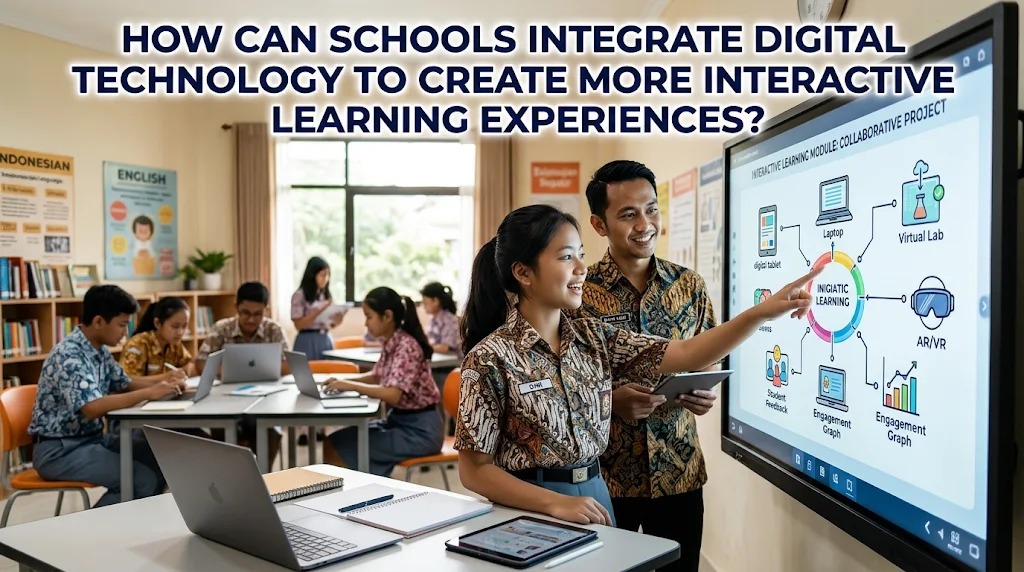
Digital technology has become an important part of modern education. Schools can use various technological tools to improve classroom activities and create learning experiences that are more engaging, practical, and interactive. Traditional teaching methods that mainly rely on textbooks and verbal explanations can be supported by digital presentations, educational videos, interactive applications, and online learning platforms. These tools allow students to understand lessons through different forms of information and participate more actively in classroom activities.
Integrating digital technology into education does not simply mean providing computers or internet access to students. Schools need to select appropriate tools, develop effective teaching strategies, and ensure that technology supports educational objectives. Teachers also play an essential role in guiding students to use digital resources responsibly. With proper implementation, digital technology can create a more collaborative, creative, and student-centered learning environment.
USING INTERACTIVE PRESENTATIONS AND EDUCATIONAL VIDEOS
One effective way to integrate digital technology into classroom activities is by using interactive presentations and educational videos. Teachers can present learning materials through digital slides containing images, diagrams, animations, and short video explanations. These visual elements help students understand concepts that may be difficult to explain through written materials alone. For example, science teachers can use animated videos to explain the human digestive system, while history teachers can show documentaries about important historical events. This approach makes lessons more interesting and helps students understand information more clearly.
Interactive presentations can also include questions, short quizzes, and discussion activities that encourage students to participate during lessons. Instead of simply watching or listening, students can respond to questions and share their understanding of the material. Teachers can use these responses to identify topics that need further explanation. However, presentations should contain relevant information and avoid excessive visual effects that may distract students. Visual learning materials are most effective when they support clear explanations and meaningful classroom discussions.
IMPLEMENTING DIGITAL QUIZZES AND EDUCATIONAL GAMES
Digital quizzes and educational games can make classroom learning more enjoyable while encouraging active participation. Teachers can use online quiz applications to create questions related to subjects being studied. Students can answer questions individually or participate in group competitions to test their understanding. Some platforms provide immediate results, allowing students to recognize their mistakes and review the correct answers. This creates a learning environment where assessment becomes more engaging rather than feeling like a formal examination.
Educational games can also encourage students to develop problem-solving abilities and critical thinking skills. For example, mathematics teachers can use interactive games that require students to solve calculations, while language teachers can introduce vocabulary challenges. These activities provide opportunities for students to practice knowledge in a more enjoyable way. Nevertheless, teachers should ensure that games remain connected to learning objectives and do not become the main focus of classroom activities. Through gamification and interactive assessment, students can develop stronger motivation and participate more actively in the learning process.
USING ONLINE LEARNING PLATFORMS FOR COLLABORATION
Online learning platforms provide opportunities for students and teachers to communicate and collaborate more effectively. Through digital classrooms, students can access learning materials, submit assignments, participate in discussions, and receive feedback. Teachers can also organize group projects using shared documents and collaborative applications. These features allow students to work together even when they are not sitting in the same classroom. As a result, learning activities can become more flexible and organized.
Digital collaboration also helps students develop communication and teamwork skills. They can exchange ideas, discuss different perspectives, and contribute to shared assignments through online platforms. For example, students can create group presentations using collaborative tools or work together to prepare digital research projects. Teachers can monitor their progress and provide guidance throughout the process. However, students need clear responsibilities to ensure that every group member contributes fairly. Online collaboration can strengthen teamwork while introducing students to digital communication practices used in modern workplaces.
INTEGRATING ARTIFICIAL INTELLIGENCE AND PERSONALIZED LEARNING TOOLS
Artificial intelligence can help schools create learning experiences that respond to different student abilities and needs. AI-powered educational applications can provide explanations, practice questions, and learning recommendations based on student performance. For example, students who struggle with English grammar can receive additional exercises, while those who have mastered the material can explore more advanced topics. These features allow students to learn at different speeds without having to follow exactly the same learning path. Teachers can use the information provided by these platforms to identify learning difficulties and offer appropriate support.
AI tools can also help teachers develop more varied educational activities. They can assist in preparing discussion questions, generating examples, and creating exercises that match specific learning objectives. However, teachers must check AI-generated information before introducing it into classroom instruction. Students should also be taught to evaluate information critically instead of accepting every AI response as correct. Personalized learning and artificial intelligence can improve educational experiences when supported by teacher supervision and responsible technology use.
INTRODUCING VIRTUAL REALITY AND AUGMENTED REALITY IN LESSONS
Virtual Reality (VR) and Augmented Reality (AR) offer new ways to introduce interactive learning experiences. VR allows students to explore simulated environments through specialized digital devices, while AR adds digital information or objects to the real-world environment. These technologies can help teachers explain subjects that are difficult to demonstrate through ordinary classroom materials. For example, students can explore virtual historical locations, observe three-dimensional human anatomy, or examine digital models of scientific structures. This creates opportunities for students to experience educational content in more visual and immersive ways.
AR and VR can also encourage curiosity and make certain learning activities more memorable. Instead of only reading about a particular object or location, students can explore digital representations and observe details from different perspectives. However, schools should consider equipment costs, technical requirements, accessibility, and the suitability of these tools for each subject. Not every lesson requires advanced technology to achieve its learning objectives. When used appropriately, immersive learning technology can complement traditional instruction and provide students with valuable educational experiences.
PROVIDING TEACHER TRAINING AND RESPONSIBLE TECHNOLOGY USE
Successful digital technology integration depends heavily on teachers' knowledge and abilities. Teachers need sufficient training to understand how educational applications work, select suitable digital resources, and manage technology-based classroom activities. Without proper preparation, digital tools may be used only for basic presentations without creating meaningful improvements in learning. Professional development programs can help teachers develop digital competencies and discover more effective teaching strategies. Schools should also encourage teachers to share experiences and collaborate when implementing new educational technologies.
In addition, schools must establish clear guidelines for responsible technology use. Students should understand online safety, personal data protection, digital etiquette, and the importance of checking information sources. Teachers and parents also need to supervise students' digital activities to reduce distractions and excessive screen time. Schools should ensure that students who have limited access to devices or internet connections are not excluded from learning opportunities. By combining teacher training, digital literacy, and equal technology access, schools can create interactive learning environments that are effective, inclusive, and sustainable.
CONCLUSION
Schools can integrate digital technology into classroom activities through interactive presentations, educational videos, digital quizzes, online learning platforms, artificial intelligence, and immersive technologies such as VR and AR. These tools can make lessons more engaging, improve student participation, and support different learning needs. They also provide opportunities for students to develop communication, collaboration, creativity, and problem-solving skills.
However, successful implementation requires more than technological equipment. Schools must provide teacher training, reliable infrastructure, responsible technology guidelines, and equal access to digital resources. Teachers should continue to guide students and ensure that technology supports meaningful educational objectives. By combining innovative digital tools with effective teaching methods, schools can create more interactive learning experiences and prepare students for the demands of the digital era.
Recent Posts

Bagaimana Sistem SKS pada Program Kuliah... 22.11.2026/33 View

How Does Technology Make Daily Evaluation... 21.11.2026/67 View

Apa Strategi Menghadapi Kesenjangan antara Kompetensi... 21.11.2026/67 View

Mengapa Inventaris Aset Penting bagi Kelancaran... 21.11.2026/65 View

When Should Musicians Join a Record... 21.11.2026/66 View
