

How Can Semester Evaluation Results Improve Student Achievement?
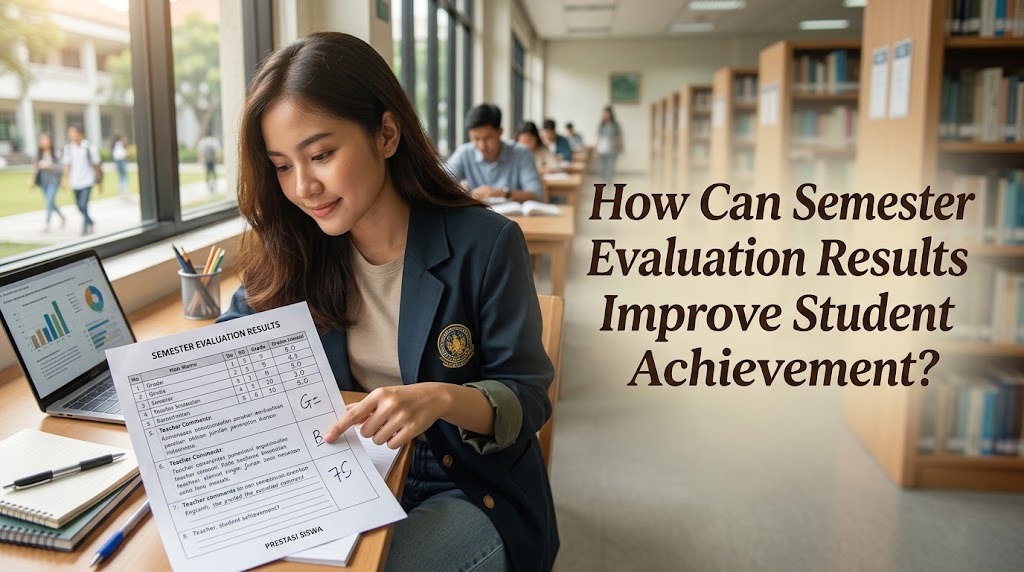
Semester evaluation results can help improve student achievement by showing how well students understand their learning materials and which areas require further improvement. These results provide valuable information for teachers, students, and parents to develop more effective learning strategies. Rather than focusing only on grades, semester evaluation should be used to identify learning difficulties, recognize progress, and establish realistic academic goals. When the results are reviewed carefully and followed by appropriate actions, students can strengthen their knowledge, improve their study habits, and achieve better academic outcomes.
IDENTIFYING LEARNING GAPS AND ACADEMIC WEAKNESSES
Semester evaluation results help students and teachers identify specific learning gaps that may affect academic achievement. For example, a student may understand basic mathematics but struggle with more complex calculations or problem-solving questions. By examining assessment results, teachers can determine which concepts need additional explanation and which skills require more practice. Identifying these weaknesses early helps prevent students from carrying unresolved difficulties into the next semester.
Students can use this information to focus their study efforts on the subjects or topics that need the most attention. Instead of reviewing every lesson equally, they can prioritize areas where their understanding remains limited. Teachers can also provide additional exercises, clearer explanations, and individual guidance when necessary. This targeted approach makes learning more efficient and helps students build a stronger academic foundation.
DEVELOPING MORE EFFECTIVE STUDY STRATEGIES
Evaluation results can help students determine whether their current study habits are effective. A student who studies for many hours but receives low scores may need to change their learning methods rather than simply increase study time. Strategies such as active recall, spaced repetition, practice questions, and summarizing lessons can improve understanding and memory. Students should select methods that suit the subject and their individual learning needs.
Teachers can support this process by recommending practical study techniques based on assessment findings. For instance, students who struggle to remember important concepts may benefit from regular review sessions, while those who have difficulty applying knowledge may need more practice exercises. Students should also establish a consistent study schedule and monitor their progress over time. By adjusting their strategies according to evaluation results, they can develop more independent and effective learning habits.
PROVIDING CONSTRUCTIVE FEEDBACK TO STUDENTS
Constructive feedback is essential for turning semester evaluation results into academic improvement. Grades alone may show whether a student has performed well, but they do not always explain why particular answers are incorrect. Detailed feedback helps students understand their mistakes, recognize successful approaches, and learn how to improve future performance. Teachers should provide clear explanations and specific recommendations that students can apply in their studies.
Students should actively review this feedback instead of focusing only on their final scores. They can correct incorrect answers, revisit difficult topics, and ask teachers to explain concepts they still do not understand. This process encourages students to view mistakes as opportunities to learn. Over time, consistent feedback and follow-up practice can improve subject comprehension, problem-solving abilities, and overall academic achievement.
HELPING TEACHERS ADJUST TEACHING METHODS
Semester evaluation results provide useful evidence for teachers to assess the effectiveness of their instructional methods. If many students perform poorly on the same topic, teachers can review whether the explanations, learning materials, or classroom activities need improvement. They may use practical examples, group discussions, demonstrations, or additional exercises to make difficult concepts easier to understand. These adjustments help teachers respond to students' actual learning needs.
Teachers can also use evaluation results to plan lessons more effectively for the next semester. Students who have mastered a topic may benefit from more challenging activities, while those who need additional support may require remedial instruction. Differentiating learning activities helps ensure that students receive appropriate guidance without lowering essential academic standards. Through continuous evaluation and instructional improvement, teachers can create a more supportive learning environment.
SETTING REALISTIC ACADEMIC GOALS
Semester evaluation results help students establish realistic academic goals based on their current performance. Instead of setting vague targets such as becoming better at every subject, students can identify specific improvements they want to achieve. For example, they may aim to improve their understanding of scientific concepts, submit assignments on time, or increase their accuracy when solving mathematics problems. Clear goals make it easier to plan learning activities and measure progress.
Students should divide larger goals into smaller steps that can be completed consistently. They might schedule regular practice sessions, review challenging material each week, and monitor their performance through short exercises. Teachers and parents can provide encouragement and guidance while allowing students to take responsibility for their learning. Reviewing goals periodically helps students recognize improvement and adjust their plans when necessary.
INCREASING STUDENT MOTIVATION AND CONFIDENCE
Semester evaluation results can influence students' motivation by showing evidence of their progress and achievements. Positive results may strengthen confidence, while constructive feedback can help students understand how to improve when their performance is below expectations. Recognizing small improvements is important because academic development does not always happen immediately. Students who understand that effort and effective strategies can lead to progress may become more willing to face challenging subjects.
However, academic results should not be used to compare students unfairly or define their abilities permanently. Excessive pressure to achieve high grades can create anxiety and reduce students' willingness to participate in learning activities. Teachers should emphasize improvement, perseverance, and understanding rather than grades alone. A supportive learning environment helps students remain motivated and develop a healthier attitude toward academic challenges.
INVOLVING PARENTS IN STUDENT LEARNING
Parents can use semester evaluation results to understand their children's academic progress and determine what kind of support may be helpful. Reviewing results together allows parents to identify subjects that require additional practice and recognize areas where their children have improved. This discussion should be supportive rather than focused entirely on mistakes or disappointing grades. Encouraging open communication helps students feel more comfortable discussing their learning difficulties.
Parents can support academic achievement by providing a suitable study environment, encouraging consistent routines, and communicating with teachers when necessary. They do not need to solve every academic problem themselves, but they can help children find appropriate resources and maintain healthy study habits. Regular communication between parents and teachers can also ensure that students receive consistent guidance. When home and school support work together, students may find it easier to address learning difficulties and maintain progress.
MONITORING PROGRESS THROUGH CONTINUOUS EVALUATION
Semester evaluation results become more useful when they are compared with other relevant assessments over time. Teachers and students can examine previous results, classroom assignments, practice tests, and project performance to understand whether learning strategies are producing improvements. This broader view helps distinguish lasting progress from temporary changes in examination scores. It also allows teachers to identify recurring difficulties that may require additional support.
Students should regularly review their progress and adjust their learning plans based on the evidence available. If their performance improves, they can continue using effective strategies while gradually addressing more challenging material. If progress remains limited, they may need to seek additional explanations or try different study methods. Continuous monitoring turns semester evaluation into an ongoing improvement process rather than a one-time measurement of academic achievement.
CONCLUSION
Semester evaluation results can improve student achievement by identifying learning gaps, guiding effective study strategies, and providing constructive feedback. They also help teachers improve instruction, encourage students to set realistic goals, and support cooperation between families and schools. The greatest benefits occur when assessment results lead to practical actions and continuous progress monitoring. By treating evaluation as a learning tool rather than simply a grading process, students can develop stronger knowledge, greater confidence, and better academic performance.
Recent Posts

Bagaimana Sistem SKS pada Program Kuliah... 22.11.2026/60 View

How Does Technology Make Daily Evaluation... 21.11.2026/87 View

Apa Strategi Menghadapi Kesenjangan antara Kompetensi... 21.11.2026/85 View

Mengapa Inventaris Aset Penting bagi Kelancaran... 21.11.2026/83 View

When Should Musicians Join a Record... 21.11.2026/87 View
