

How Can Small and Medium Enterprises Manage Their Operating Costs?
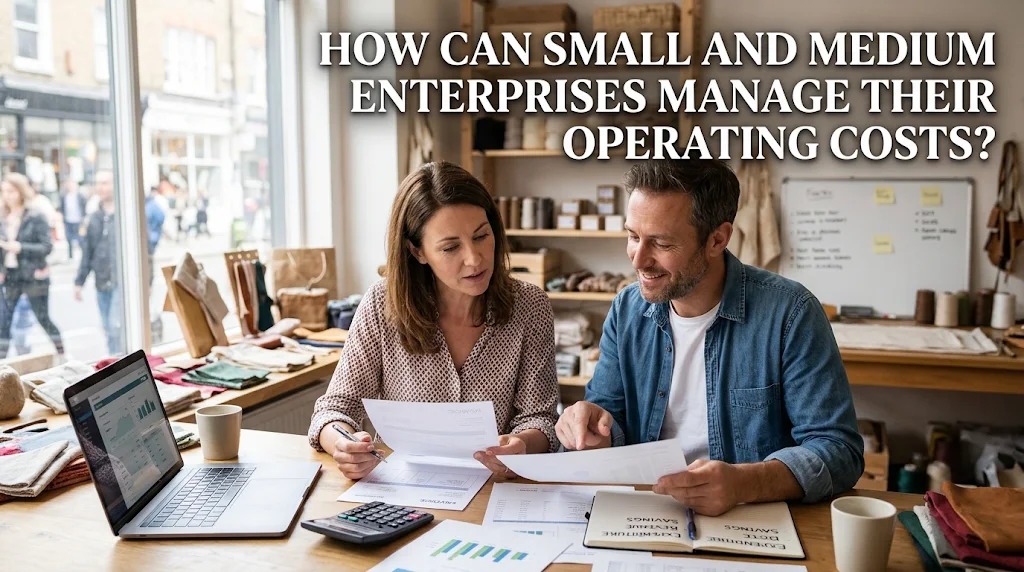
Managing operating costs is one of the most important challenges for small and medium enterprises (SMEs). Unlike large corporations, smaller businesses often have limited financial resources, fewer employees, and smaller operating budgets. Therefore, controlling daily expenses is essential to maintain business stability and support long-term growth.
Operating costs include various expenses required to keep a business running, such as employee salaries, rent, electricity, transportation, marketing, and inventory management. If these expenses are not managed properly, they can reduce profits and create financial difficulties. By applying effective cost management strategies, small and medium enterprises can use their resources more efficiently, maintain product quality, and improve their competitiveness.
UNDERSTANDING AND IDENTIFYING OPERATING COSTS
The first step in managing operating costs is understanding where business money is spent. Small and medium enterprises should identify all regular expenses and organize them into clear categories. These may include fixed costs, such as office rent and monthly salaries, as well as variable costs, such as packaging, transportation, and raw materials. Having a complete overview of expenses helps business owners understand their financial responsibilities.
Businesses should also distinguish between necessary expenses and costs that can be reduced. For example, internet subscriptions and employee salaries may be essential for daily operations, while unused software subscriptions or unnecessary office purchases may create avoidable expenses. Reviewing financial records regularly allows business owners to recognize spending patterns and identify areas that need improvement. This information provides a strong foundation for making better financial decisions.
PREPARING A REALISTIC BUSINESS BUDGET
A realistic budget helps small and medium enterprises control spending and allocate financial resources according to business priorities. Business owners should estimate monthly income and expenses based on previous financial records and expected business activities. The budget should include essential operating expenses, inventory purchases, employee payments, marketing activities, and emergency funds. This approach helps businesses avoid spending more money than they can afford.
It is also important to compare actual expenses with the planned budget. If certain costs exceed expectations, business owners should investigate the reasons and make appropriate adjustments. For example, increasing electricity bills may require more efficient equipment usage, while rising transportation expenses may indicate the need to review delivery arrangements. Regular budget evaluations help SMEs maintain financial discipline and respond to unexpected changes.
REDUCING UNNECESSARY EXPENSES WITHOUT LOWERING QUALITY
Small and medium enterprises can improve profitability by reducing expenses that do not contribute significantly to business performance. However, cost reduction should not negatively affect product quality, customer satisfaction, or employee productivity. Business owners should focus on eliminating waste, improving resource usage, and choosing more efficient operating methods. For example, purchasing supplies according to actual demand can prevent excessive inventory and unnecessary storage costs.
Companies can also review their regular subscriptions, utility consumption, and administrative expenses. Negotiating better prices with suppliers may help reduce purchasing costs while maintaining product standards. In addition, employees can be encouraged to use electricity, water, and office materials responsibly. These small improvements can produce meaningful savings when applied consistently across daily business activities.
USING DIGITAL TECHNOLOGY TO IMPROVE EFFICIENCY
Digital technology provides useful solutions for managing operating costs more effectively. Small businesses can use accounting applications to record transactions, monitor expenses, and prepare financial reports. Inventory management software can also help track stock levels and prevent excessive purchases. These tools reduce manual administrative work and provide more accurate information for financial planning.
Online communication platforms and digital marketing tools can also help SMEs reduce operational expenses. For example, businesses can promote products through social media instead of depending entirely on expensive traditional advertising. Online meetings can reduce transportation costs, while cloud storage can minimize the need for physical document storage. However, business owners should compare software prices and benefits before choosing digital services to avoid unnecessary subscription expenses.
MONITORING CASH FLOW AND EVALUATING BUSINESS PERFORMANCE
Cash flow management is essential because a profitable business can still experience financial difficulties if it does not have enough available cash to pay its obligations. Small and medium enterprises should monitor money coming into and leaving the business regularly. This includes tracking customer payments, supplier invoices, employee salaries, loan obligations, and other operating expenses. Maintaining accurate cash flow records helps business owners understand whether sufficient funds are available to support daily activities.
Business owners should also evaluate financial performance to determine whether their cost management strategies are effective. Comparing operating expenses with revenue can show whether costs are increasing faster than business income. If expenses continue to rise without improving business results, managers may need to review purchasing decisions, operational procedures, or marketing strategies. Regular evaluations help SMEs respond to financial challenges and maintain sustainable business operations.
CONCLUSION
Small and medium enterprises can manage their operating costs by understanding expenses, preparing realistic budgets, reducing unnecessary spending, and using digital technology. Monitoring cash flow and evaluating business performance are also important for maintaining financial stability. These strategies help business owners identify financial problems early and use limited resources more effectively.
Effective cost management does not mean reducing every expense. Instead, SMEs should focus on controlling unnecessary spending while maintaining product quality, customer satisfaction, and employee productivity. With consistent financial planning and regular evaluations, small and medium enterprises can improve profitability, strengthen their competitiveness, and achieve sustainable business growth.
Recent Posts

Bagaimana Sistem SKS pada Program Kuliah... 22.11.2026/34 View

How Does Technology Make Daily Evaluation... 21.11.2026/68 View

Apa Strategi Menghadapi Kesenjangan antara Kompetensi... 21.11.2026/68 View

Mengapa Inventaris Aset Penting bagi Kelancaran... 21.11.2026/66 View

When Should Musicians Join a Record... 21.11.2026/67 View
