

How Can Small Businesses Implement Effective Logistics Management Strategies?
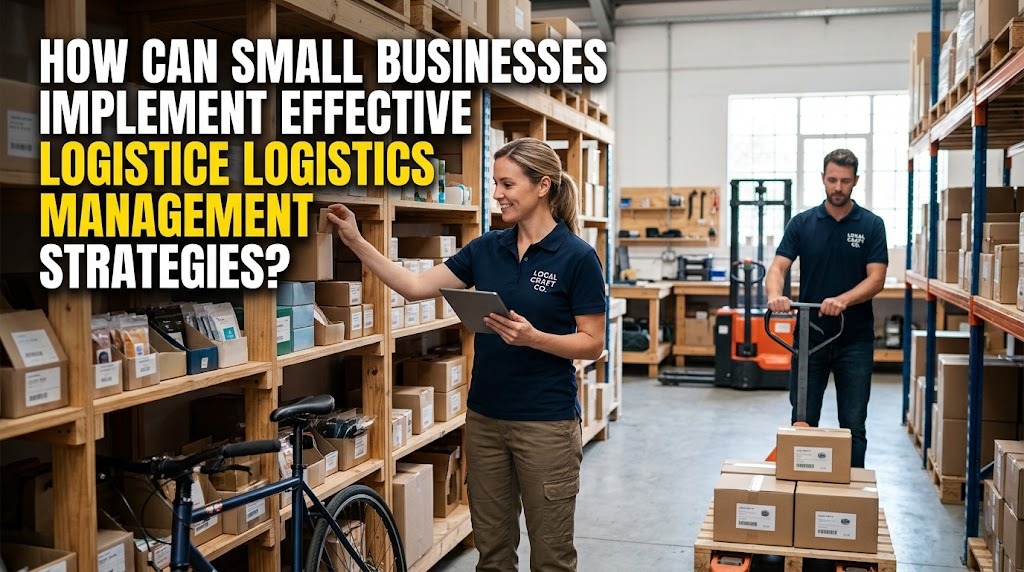
Logistics management is essential for small businesses that want to deliver products efficiently, control operating expenses, and satisfy customers. Although small companies often have limited budgets, storage space, and employees, they still need organized systems to manage inventory, transportation, and order fulfillment. Poor logistics can lead to delayed deliveries, inaccurate stock records, and unnecessary expenses that affect profitability. By applying practical strategies and using suitable technology, small businesses can improve their operations without making excessive investments. Effective logistics management helps small businesses use available resources wisely, maintain reliable services, and compete more successfully in the market.
UNDERSTANDING LOGISTICS NEEDS IN SMALL BUSINESSES
The first step in implementing logistics management is understanding how a business handles products from suppliers to customers. Small business owners should evaluate their purchasing activities, inventory levels, storage facilities, delivery methods, and order processing procedures. This assessment helps identify operational weaknesses and areas where improvements can provide the greatest benefits. Understanding logistics requirements also prevents businesses from spending money on unnecessary systems or services.
For example, an online clothing store may need accurate stock records, organized product storage, suitable packaging, and reliable shipping services. A small food business may require temperature-controlled storage and faster product distribution to maintain freshness. Each business has different logistics requirements depending on its products, customers, and sales volume. By identifying these needs, owners can develop practical logistics strategies that match their budgets and daily operations.
ORGANIZING INVENTORY AND STORAGE EFFECTIVELY
Inventory management helps small businesses maintain enough products to meet customer demand without purchasing excessive stock. Overstocking ties up working capital and increases storage costs, while understocking can lead to lost sales and disappointed customers. Business owners should monitor product quantities, sales patterns, and replenishment schedules regularly. Accurate inventory records make it easier to decide when and how much stock to reorder.
Small businesses can begin with spreadsheets or affordable inventory management software instead of investing immediately in expensive systems. Products should be labeled clearly and arranged according to their type, size, demand, or storage requirements. Regular stock checks help identify damaged goods, missing items, and differences between recorded and actual quantities. By maintaining an organized storage area and monitoring stock movement, businesses can reduce waste, improve product availability, and control inventory costs.
CHOOSING COST EFFECTIVE TRANSPORTATION AND SHIPPING
Transportation can represent a significant expense for small businesses, especially those that deliver products frequently. Owners should compare shipping providers based on price, delivery speed, service coverage, tracking availability, and reliability. The cheapest option is not always the best choice if it frequently causes delays or damages products. Cost effective shipping means balancing affordability with dependable service and customer expectations.
Businesses can reduce transportation expenses by combining orders going to similar destinations, scheduling deliveries efficiently, and selecting suitable packaging sizes. Local businesses may consider using nearby courier services or arranging scheduled delivery days when appropriate. For larger shipment volumes, owners can negotiate rates with shipping providers and review their contracts regularly. Comparing shipping options and planning deliveries carefully helps small businesses manage transportation costs without compromising service quality.
USING AFFORDABLE DIGITAL TECHNOLOGY
Digital technology can simplify logistics management even when a business has limited financial resources. Inventory applications, spreadsheets, barcode tools, and shipping platforms help owners record stock movements, organize orders, and monitor deliveries. These tools reduce reliance on handwritten records and make important information easier to retrieve. Business owners can begin with basic solutions and adopt more advanced systems as their operations grow.
Online sales platforms and integrated order management tools can also connect customer purchases with inventory records and shipping information. This reduces repetitive data entry and helps prevent orders from being processed when products are unavailable. Shipment tracking allows businesses to monitor delivery progress and provide customers with timely updates. However, owners should select tools that are easy to use, affordable, secure, and appropriate for their business size. Choosing the right digital tools can improve accuracy and productivity without creating unnecessary complexity.
BUILDING RELIABLE SUPPLIER AND CUSTOMER RELATIONSHIPS
Reliable suppliers are important because late or incomplete deliveries can disrupt the entire logistics process. Small businesses should evaluate suppliers based on product quality, pricing, delivery reliability, and communication. Maintaining regular contact helps owners confirm order schedules and identify possible shortages before they affect customers. Strong supplier relationships can also support better purchasing arrangements and more predictable inventory replenishment.
Communication with customers is equally important. Businesses should provide clear information about product availability, shipping fees, expected delivery times, and return procedures. If an unexpected delay occurs, informing customers promptly helps manage expectations and reduce frustration. Owners should also collect feedback about delivery experiences and use it to improve their services. Reliable communication and customer service help small businesses build trust, encourage repeat purchases, and strengthen their reputation.
MONITORING PERFORMANCE AND IMPROVING LOGISTICS OPERATIONS
Small businesses should regularly evaluate whether their logistics strategies are achieving the desired results. Useful performance indicators include delivery time, order accuracy, shipping costs per order, inventory discrepancies, and the number of customer complaints. Tracking these measurements helps owners identify recurring problems and determine where improvements are needed. Performance monitoring also prevents businesses from making decisions based only on assumptions.
After identifying weaknesses, owners can introduce manageable changes, such as reorganizing storage areas, adjusting reorder schedules, or switching to a more reliable shipping provider. Improvements should be reviewed over time to determine whether they reduce expenses or improve customer satisfaction. Businesses should also update their logistics procedures as sales volumes, product ranges, and customer expectations change. By making small, consistent improvements, companies can increase efficiency, control costs, and support sustainable business growth.
CONCLUSION
Small businesses can implement effective logistics management by understanding their operational needs, organizing inventory, selecting suitable shipping services, and adopting affordable digital technology. Building reliable supplier relationships and communicating clearly with customers also helps maintain dependable deliveries. Regular performance monitoring allows owners to identify problems and improve processes without unnecessary spending. Effective logistics management does not always require expensive systems; careful planning and consistent execution can already produce meaningful results. By applying these strategies, small businesses can reduce operational costs, improve customer satisfaction, and strengthen their competitiveness.
Recent Posts

Bagaimana Sistem SKS pada Program Kuliah... 22.11.2026/60 View

How Does Technology Make Daily Evaluation... 21.11.2026/87 View

Apa Strategi Menghadapi Kesenjangan antara Kompetensi... 21.11.2026/85 View

Mengapa Inventaris Aset Penting bagi Kelancaran... 21.11.2026/83 View

When Should Musicians Join a Record... 21.11.2026/87 View
