

How Can Small Businesses Overcome the Challenges of Industry 4.0?
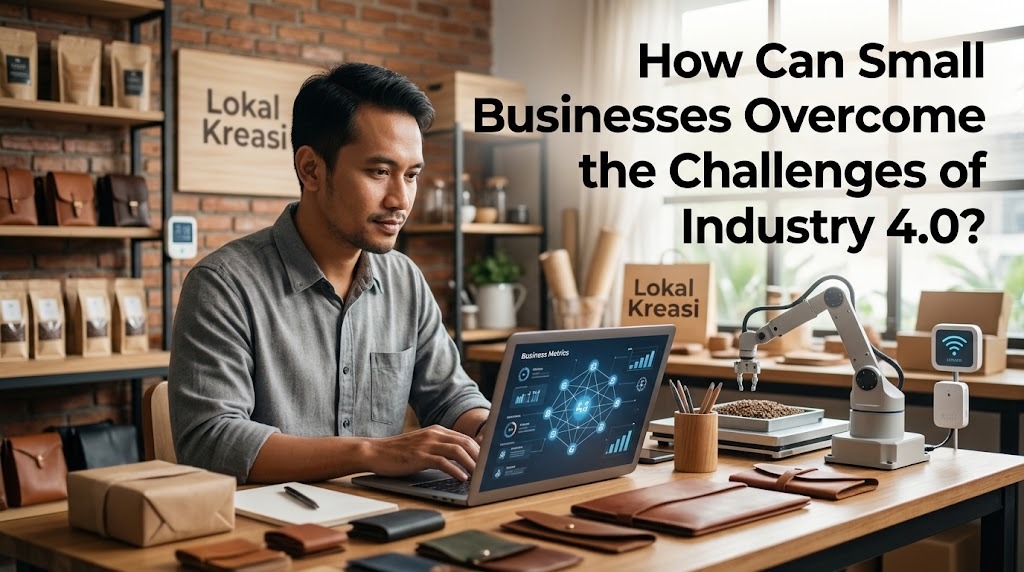
Industry 4.0 is transforming the business world through digital technology, automation, artificial intelligence, and connected systems. These innovations help companies improve productivity, understand customer needs, and manage operations more efficiently. However, small businesses often face difficulties adopting these technologies because of limited budgets, inadequate technical knowledge, and a lack of skilled workers. Despite these challenges, small businesses can benefit from digital transformation by choosing affordable solutions and developing their capabilities gradually. With the right strategy, they can remain competitive and discover new opportunities in the modern economy.
UNDERSTANDING THE CHALLENGES OF INDUSTRY 4.0
Small businesses face several obstacles when adapting to Industry 4.0. One of the most common challenges is the cost of purchasing digital equipment, upgrading software, and maintaining reliable internet connections. Some businesses also lack employees with the technical skills needed to operate modern systems. These limitations can make digital transformation seem difficult, especially when business owners must prioritize daily expenses and immediate operational needs.
Another challenge is the rapid pace of technological change. New digital tools appear frequently, making it difficult for small business owners to determine which solutions are genuinely useful. Cybersecurity threats and concerns about customer data also create additional responsibilities. Without proper planning, businesses may invest in technology that does not meet their needs or creates unnecessary complexity. Understanding business needs and identifying the most urgent problems are important first steps before adopting new technology.
ADOPTING AFFORDABLE DIGITAL TECHNOLOGY
Small businesses do not need to purchase expensive industrial equipment to begin their digital transformation. They can start with affordable tools such as cloud-based accounting software, digital payment systems, online communication platforms, and inventory management applications. These solutions can help business owners organize transactions, monitor stock, and reduce manual administrative work. Many services offer flexible subscription plans, allowing businesses to select features according to their budgets.
Another practical approach is to adopt technology gradually. For example, a small retailer could begin by using digital payments and an online store before introducing more advanced inventory systems. A food business might use social media to promote products and messaging applications to manage customer orders. Business owners should evaluate whether each tool saves time, reduces costs, or improves customer service. Cost-effective technology adoption allows small businesses to gain practical benefits without placing excessive pressure on their finances.
IMPROVING DIGITAL SKILLS AND EMPLOYEE TRAINING
Technology alone cannot guarantee business success because employees need the knowledge to use it effectively. Small business owners and workers should develop digital literacy, including the ability to use business software, manage online transactions, interpret basic data, and recognize cybersecurity risks. These skills help employees complete tasks more efficiently and reduce mistakes in daily operations. Digital competence also makes it easier for businesses to introduce new tools when their needs change.
Training does not always require expensive external courses. Business owners can use free online tutorials, government-supported training programs, community workshops, and educational resources provided by software companies. Employees can also learn through practical demonstrations and collaboration with more experienced colleagues. Businesses should encourage workers to ask questions and practice using new systems before implementing them fully. Continuous learning and upskilling help small businesses build confidence, improve productivity, and adapt to technological developments.
USING E-COMMERCE AND DIGITAL MARKETING
E-commerce and digital marketing provide small businesses with opportunities to reach customers beyond their immediate neighborhoods. By selling products through online marketplaces, business websites, or social commerce platforms, businesses can make their offerings accessible to a wider audience. Social media also allows entrepreneurs to introduce products, share customer testimonials, and communicate directly with potential buyers. These activities can strengthen brand awareness without requiring the large advertising budgets often associated with traditional marketing.
To achieve better results, businesses should identify their target customers and choose platforms that suit their products. For example, a local clothing business might use visual social media content, while a business selling office supplies could focus on online marketplaces and professional customer relationships. Owners should monitor engagement, sales, customer feedback, and advertising expenses to understand which strategies work best. Consistent branding, useful content, and responsive customer service can help build trust and encourage repeat purchases. Digital marketing is most effective when it supports a clear business strategy rather than relying only on frequent promotions.
STRENGTHENING CYBERSECURITY AND BUSINESS DATA MANAGEMENT
As small businesses become more dependent on digital systems, cybersecurity becomes increasingly important. Online transactions, customer databases, and business records may be exposed to phishing attacks, malware, unauthorized access, or accidental data loss. A security incident can interrupt operations and damage customer confidence. Small businesses should therefore treat data protection as a basic operational responsibility rather than a concern reserved for large companies.
Practical measures include using strong and unique passwords, enabling multifactor authentication, updating software regularly, and limiting access to sensitive information. Businesses should also back up important data and train employees to recognize suspicious messages and links. When using cloud services, owners should review security features, access controls, and data protection policies. Regular backups, employee awareness, and secure account management can reduce common risks and help businesses recover more effectively from technical problems.
BUILDING A LONG-TERM DIGITAL TRANSFORMATION STRATEGY
A successful digital transformation requires more than purchasing new technology. Small businesses should establish clear objectives, such as reducing inventory errors, improving delivery speed, increasing online sales, or simplifying financial reporting. These objectives help owners select tools that solve actual business problems. They should also consider the costs of implementation, employee training, maintenance, and future upgrades before making major investments.
Business owners can begin with a small project, measure the results, and expand successful solutions gradually. They can also collaborate with technology providers, business associations, universities, and other entrepreneurs to gain knowledge and access useful resources. In Indonesia, small and medium-sized enterprises can explore relevant digitalization initiatives and training opportunities offered by government agencies or local business organizations. A flexible and measurable strategy allows businesses to adjust to changing customer expectations and technological developments. By combining digital innovation with careful financial planning and customer-focused service, small businesses can build stronger foundations for long-term growth.
KESIMPULAN
Small businesses can overcome the challenges of Industry 4.0 by adopting affordable technology, improving employee skills, expanding online marketing, and strengthening cybersecurity. They do not need to transform every part of their operations at once. Instead, they should prioritize solutions that address their most important business needs and introduce new systems gradually. Digital literacy, financial planning, and continuous improvement are essential for achieving sustainable results. With a clear strategy and a willingness to learn, small businesses can use Industry 4.0 to improve efficiency, reach more customers, and compete more effectively in the modern economy.
Recent Posts

Bagaimana Sistem SKS pada Program Kuliah... 22.11.2026/50 View

How Does Technology Make Daily Evaluation... 21.11.2026/80 View

Apa Strategi Menghadapi Kesenjangan antara Kompetensi... 21.11.2026/79 View

Mengapa Inventaris Aset Penting bagi Kelancaran... 21.11.2026/75 View

When Should Musicians Join a Record... 21.11.2026/80 View
