

How Can Social Media Help Increase Sales for a Personal Shopping Business?
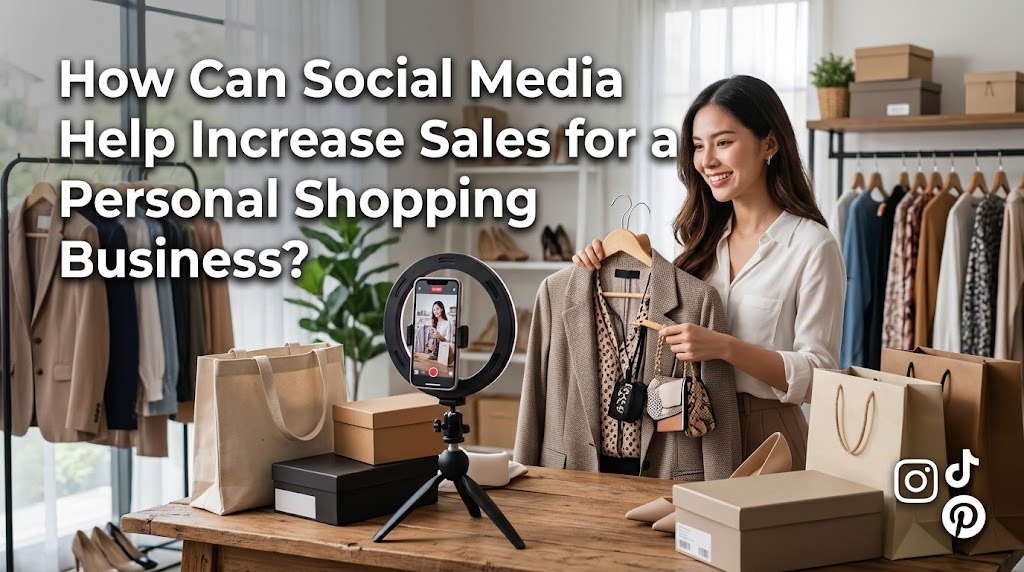
Social media has become an important marketing tool for personal shopping businesses that want to reach more customers and increase sales. Through digital platforms, personal shoppers can showcase products, announce shopping opportunities, communicate with potential buyers, and build relationships with existing customers. Platforms such as Instagram, TikTok, Facebook, and WhatsApp allow entrepreneurs to promote their services without needing an expensive physical store. However, successful promotion requires more than simply posting product photos. A clear marketing strategy, engaging content, customer trust, and consistent communication can help personal shopping businesses attract buyers and encourage repeat purchases.
REACHING MORE CUSTOMERS THROUGH SOCIAL MEDIA
One of the biggest advantages of social media is its ability to connect personal shoppers with potential customers beyond their immediate surroundings. Traditional promotion often depends on personal contacts or local advertising, while social media content can reach people in different cities and regions. Personal shoppers can introduce their services to customers interested in fashion, beauty products, electronics, collectibles, and other specialty items. This wider reach creates opportunities to attract customers who cannot easily access particular stores or products.
To use social media effectively, business owners should identify their target audience before choosing which platforms to prioritize. Instagram may be useful for visual product catalogs, while TikTok can help businesses introduce products through short videos. Facebook groups may provide access to relevant communities, and WhatsApp can support direct communication with interested customers. Entrepreneurs should focus on platforms that match their customers' habits rather than trying to maintain every platform simultaneously. By publishing relevant content and using appropriate keywords, hashtags, and location information, personal shoppers can improve their chances of being discovered by potential buyers.
CREATING ATTRACTIVE AND INFORMATIVE CONTENT
Engaging content helps customers understand what a personal shopping business offers and why its services are valuable. Personal shoppers can publish product photos, short demonstration videos, shopping updates, new-release announcements, and comparisons between similar products. They can also explain how customers place orders, calculate service fees, make payments, and receive deliveries. Providing useful information helps potential buyers make decisions and reduces confusion before a transaction begins.
Content should be clear, accurate, and relevant to the products being promoted. For example, a personal shopper specializing in fashion can share information about available sizes, colors, materials, and store locations. A shopper who focuses on beauty products can explain product variations, packaging details, and availability without making unsupported claims about their benefits. High-quality visuals and honest descriptions are more useful than exaggerated promises or misleading advertisements. Maintaining a consistent posting schedule also helps customers recognize the business and understand when new shopping opportunities are available.
BUILDING CUSTOMER TRUST AND CREDIBILITY
Trust is essential in a personal shopping business because customers may pay for products before receiving them. Social media provides several ways to demonstrate reliability, including sharing genuine customer reviews, posting order progress updates, and explaining the purchasing process. Personal shoppers can show receipts or product packaging when appropriate, while protecting payment details and other private information. These practices help customers understand how the service operates and assess whether the business is trustworthy.
Business owners should provide transparent pricing and clear service policies on their profiles or promotional posts. Customers should know whether a quoted price includes the product cost, service fee, shipping, taxes, and other applicable charges. Estimated delivery times, cancellation conditions, and refund procedures should also be explained before orders are confirmed. If a product becomes unavailable or a shipment is delayed, the shopper should communicate the situation promptly. Honest communication and consistent service can strengthen credibility, encourage repeat orders, and generate positive recommendations from satisfied customers.
USING PROMOTIONS AND COLLABORATIONS TO INCREASE SALES
Social media makes it easier for personal shoppers to announce special offers and encourage customers to place orders. Entrepreneurs may introduce introductory service fees, discounts for selected products, seasonal campaigns, or benefits for customers who purchase several eligible items together. For example, a personal shopper could offer a reduced service fee during a shopping event, provided the promotion still covers the business's costs. Each offer should have clear conditions, including its validity period and any product or order restrictions.
Collaborations with content creators and relevant communities can also help businesses reach new audiences. A personal shopper might work with a local influencer who reviews fashion products or a community page that shares recommendations about specialty merchandise. Before investing in a collaboration, business owners should assess whether the creator's audience matches their target customers and whether the expected cost is reasonable. Paid promotions should be disclosed appropriately, and product claims should remain accurate. Tracking inquiries and completed purchases from each campaign helps entrepreneurs determine which promotions actually contribute to sales.
USING CUSTOMER INTERACTION TO ENCOURAGE REPEAT PURCHASES
Social media is not only a promotional channel but also a way to maintain relationships with customers. Personal shoppers can answer questions, conduct polls about preferred products, request feedback, and notify followers when new shopping opportunities become available. These interactions help businesses understand what customers want and identify products worth offering. Responding professionally and promptly can also make potential buyers more comfortable asking questions before placing an order.
Encouraging repeat purchases and customer referrals can be more sustainable than constantly searching for new buyers. Personal shoppers can maintain a list of customer preferences, with appropriate consent and data protection, to provide relevant updates about products customers may want. They can also invite satisfied customers to share genuine reviews or recommend the service to friends. However, businesses should avoid sending excessive messages or adding people to promotional lists without permission. Personalized communication, reliable order handling, and responsible use of customer information can help build long-term relationships and increase the likelihood of repeat sales.
MEASURING SOCIAL MEDIA PERFORMANCE AND IMPROVING STRATEGIES
To increase sales consistently, personal shopping businesses should measure whether their social media activities produce meaningful results. Useful indicators include profile visits, inquiries, link clicks, completed orders, repeat purchases, and revenue generated by each campaign. Likes and views can indicate interest, but they do not necessarily mean that a post produces sales. By comparing performance across different types of content, entrepreneurs can identify which topics and formats attract customers who are ready to purchase.
Business owners should also calculate marketing costs to determine whether promotional activities are profitable. For example, if a paid campaign generates several orders, the business should compare its advertising expense with the profit earned from those orders rather than looking only at total sales revenue. Customer feedback can reveal whether prices, product selection, communication, or delivery arrangements need improvement. Data-driven marketing decisions help entrepreneurs spend their time and budget more effectively. Reviewing results regularly allows the business to adapt to changing customer interests and improve its long-term marketing strategy.
CONCLUSION
Social media can help increase sales for a personal shopping business by expanding customer reach, showcasing products, building trust, and encouraging repeat purchases. Entrepreneurs can improve their results through engaging content, transparent pricing, promotional campaigns, relevant collaborations, and responsive customer communication. However, social media visibility alone does not guarantee higher profits. Businesses must also monitor completed orders, marketing costs, customer satisfaction, and overall profitability. Combining effective social media marketing with reliable service and accurate financial management can help personal shoppers attract suitable customers and develop a sustainable business.
Recent Posts

Bagaimana Sistem SKS pada Program Kuliah... 22.11.2026/50 View

How Does Technology Make Daily Evaluation... 21.11.2026/80 View

Apa Strategi Menghadapi Kesenjangan antara Kompetensi... 21.11.2026/79 View

Mengapa Inventaris Aset Penting bagi Kelancaran... 21.11.2026/75 View

When Should Musicians Join a Record... 21.11.2026/80 View
