

How Can Social Media Promote Cultural Heritage to Younger Generations?
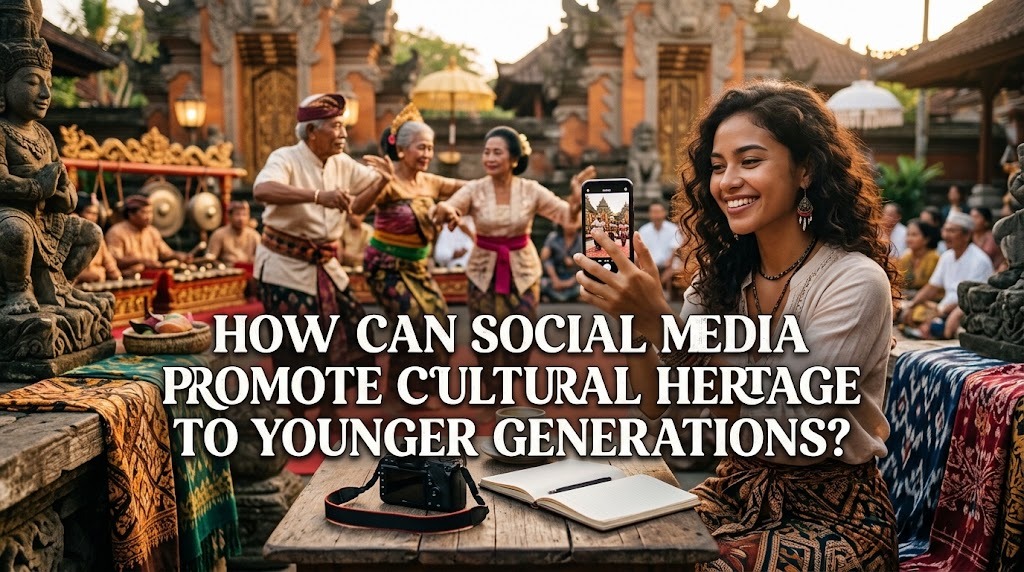
Social media has become an important tool for introducing cultural heritage to younger generations. Platforms such as Instagram, TikTok, YouTube, and Facebook allow users to discover traditional arts, local languages, historical places, music, and customs through engaging digital content. These platforms make cultural information easier to access and share, even among young people who may live far from their cultural communities.
Cultural heritage includes traditions, historical objects, traditional knowledge, and cultural practices passed down through generations. However, some young people may become less familiar with these traditions because of changing lifestyles and global entertainment trends. Social media can help address this challenge by presenting cultural heritage in creative and relatable ways. When used responsibly, it can encourage young people to appreciate, learn about, and preserve their cultural identity.
MAKING CULTURAL HERITAGE MORE INTERESTING
Social media can make cultural heritage more attractive by presenting information through short videos, photographs, animations, and interactive content. Younger audiences often encounter digital content throughout their daily lives, making social media a convenient way to discover cultural traditions. Creators can introduce traditional clothing, regional dances, local foods, and historical stories in formats that are easy to understand. This approach can make cultural learning more enjoyable and accessible.
For example, a short video can demonstrate how Indonesian batik is made or explain the meaning behind a traditional dance. Creators can also use storytelling to introduce historical events and explain why certain customs remain important today. By combining attractive visuals with accurate explanations, social media content can encourage viewers to explore cultural topics more deeply. However, entertainment should support cultural understanding rather than replace accurate information.
INTRODUCING TRADITIONAL ARTS AND LOCAL CUSTOMS
Social media provides a space for traditional artists and cultural communities to introduce their work to younger audiences. Musicians, dancers, craftspeople, and cultural practitioners can share demonstrations of their skills and explain the meaning behind their performances. This content helps viewers understand that cultural heritage involves living practices, not only objects displayed in museums. It can also increase appreciation for the effort and knowledge required to maintain traditional arts.
In Indonesia, creators can introduce regional dances, traditional musical instruments, local ceremonies, and handmade crafts through educational videos. Young viewers can learn about the differences between cultural traditions across regions and understand their historical backgrounds. These introductions may inspire them to attend cultural events, visit heritage sites, or learn traditional skills directly from practitioners. In this way, social media can connect digital discovery with real cultural experiences.
ENCOURAGING YOUNG PEOPLE TO PARTICIPATE
Social media can encourage young people to become active participants in cultural preservation rather than passive viewers. They can create videos about family traditions, interview older relatives, document local festivals, or share information about historical places in their communities. These activities allow them to explore their heritage while developing communication, research, and creative skills. Participation can also strengthen their sense of belonging and appreciation for their cultural roots.
Challenges, hashtags, live streams, and collaborative projects can make cultural activities more engaging. For example, young people can share traditional recipes, demonstrate regional crafts, or explain the meanings of local expressions. Schools and cultural organizations can support these efforts by organizing digital campaigns and inviting students to create educational content. The goal is to make cultural preservation a meaningful part of young people's lives rather than an activity they encounter only during special occasions.
REACHING A WIDER AUDIENCE THROUGH DIGITAL PLATFORMS
One major advantage of social media is its ability to distribute cultural information across geographical boundaries. A video about a local tradition can reach viewers in other cities or countries within a short time. This wider exposure can increase awareness of lesser-known cultural practices and encourage international appreciation. It can also help members of cultural communities who live far from their hometowns stay connected with their heritage.
Different platforms offer different ways to communicate cultural information. TikTok and Instagram Reels are useful for short demonstrations, while YouTube can support longer documentaries, interviews, and tutorials. Facebook groups can help communities organize events and share historical information. Using appropriate platforms and accessible language can make cultural content easier for different audiences to understand, while captions and translations can help reach people who speak different languages.
SUPPORTING CULTURAL EDUCATION AND HISTORICAL AWARENESS
Social media can complement formal education by providing additional resources about cultural heritage. Teachers, museums, historians, and cultural organizations can publish educational posts, virtual tours, interviews, and explanations of historical events. These resources allow students to explore cultural topics beyond classroom lessons. They can also encourage young people to ask questions, compare sources, and develop a deeper understanding of their national and local history.
However, cultural information shared online must be accurate and reliable. Some posts may contain misleading historical claims, incorrect descriptions of traditions, or images presented without proper context. Young people should compare information with trusted sources, such as museums, academic publications, official cultural institutions, and knowledgeable community members. Combining social media with reliable educational resources helps ensure that cultural heritage is communicated responsibly.
PROTECTING CULTURAL AUTHENTICITY AND RESPECTING TRADITIONS
Although social media offers many benefits, it can also create challenges for cultural preservation. Some creators may simplify traditional practices to attract attention, while others may present sacred ceremonies or cultural symbols without understanding their significance. Cultural traditions can lose their original meaning when they are treated only as entertainment or commercial products. Therefore, promoting cultural heritage requires sensitivity, knowledge, and respect.
Creators should consult cultural practitioners and community members when presenting traditions that require specialized knowledge or have restricted meanings. They should provide accurate context, acknowledge the origins of cultural practices, and obtain permission when appropriate. Communities should also have a voice in deciding how their cultural heritage is represented online. These practices help protect cultural authenticity while allowing younger generations to share their heritage creatively.
CONCLUSION
Social media can promote cultural heritage to younger generations by making traditions more accessible, engaging, and relevant to modern life. Through videos, photographs, educational content, and interactive campaigns, young people can learn about traditional arts, local customs, historical places, and cultural values. These platforms also allow communities to share their heritage with wider audiences and encourage younger people to participate in preservation activities.
However, successful cultural promotion requires more than gaining views and followers. Information must be accurate, traditions must be presented respectfully, and cultural communities should be involved in the process. By combining creative digital communication with real cultural learning and participation, social media can help younger generations appreciate their heritage and preserve it for the future.
Recent Posts

Bagaimana Sistem SKS pada Program Kuliah... 22.11.2026/48 View

How Does Technology Make Daily Evaluation... 21.11.2026/76 View

Apa Strategi Menghadapi Kesenjangan antara Kompetensi... 21.11.2026/78 View

Mengapa Inventaris Aset Penting bagi Kelancaran... 21.11.2026/73 View

When Should Musicians Join a Record... 21.11.2026/78 View
