

How Can Someone Rebuild Self Confidence After Growing Up in a Broken Home?
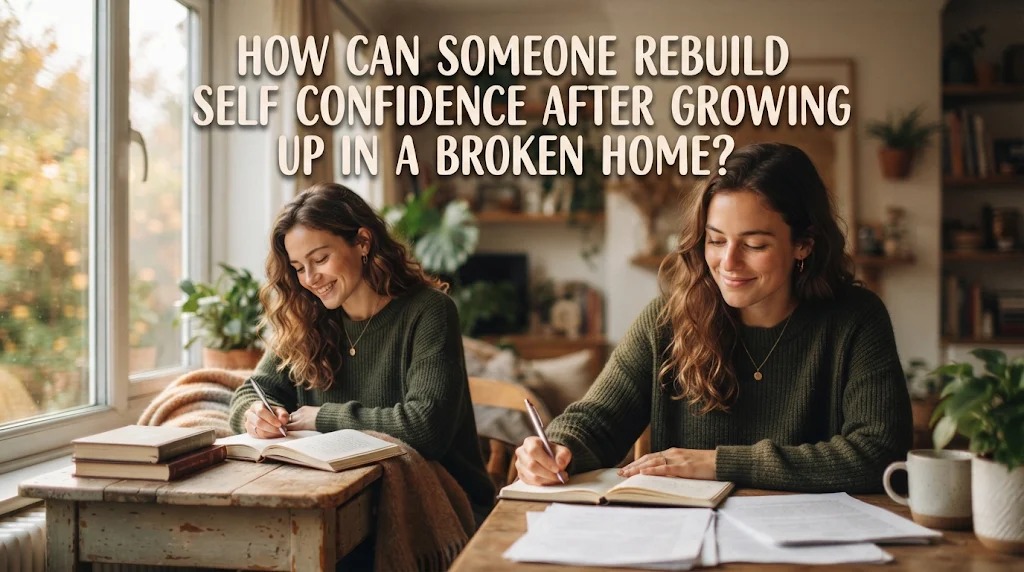
Growing up in a broken home can affect someone's self-confidence, especially when childhood is filled with family conflicts, parental separation, or a lack of emotional support. These experiences may cause individuals to feel unwanted, insecure, or doubtful about their abilities and personal worth. Some people also struggle with fear of rejection, difficulty trusting others, and negative thoughts about themselves. However, having a difficult family background does not mean someone cannot develop a positive self-image. Rebuilding self-confidence is a gradual process that involves understanding personal feelings, accepting the past, and learning to recognize one's own strengths.
UNDERSTANDING HOW A BROKEN HOME AFFECTS SELF-CONFIDENCE
A broken home can influence how individuals see themselves and understand their personal value. Children who frequently experience arguments, emotional neglect, or a lack of attention may begin to believe that they are not important. Some may even blame themselves for their parents' problems, although family conflicts are never a child's responsibility. These experiences can create negative beliefs that continue into adolescence and adulthood.
As they grow older, individuals may become afraid of making mistakes, expressing opinions, or trying new things. They might also compare themselves with people who appear to have more stable families. This comparison can increase feelings of insecurity and disappointment. Understanding the connection between childhood experiences and current feelings is an important first step toward rebuilding self-confidence.
ACCEPTING THE PAST WITHOUT BLAMING YOURSELF
One important way to rebuild self-confidence is to accept that the past cannot be changed. Growing up in a broken home may create painful memories, but those experiences do not determine someone's worth or future. Individuals need to understand that they were not responsible for their parents' decisions, disagreements, or separation. Letting go of unnecessary self-blame can help reduce emotional pressure and create space for personal growth.
Acceptance does not mean forgetting painful experiences or pretending that everything was fine. Instead, it means recognizing what happened while learning not to let those experiences control everyday decisions. People can gradually develop a healthier perspective by acknowledging their feelings and understanding that they deserve happiness and respect. This process may take time, but it can help individuals build a stronger sense of self-worth.
RECOGNIZING PERSONAL STRENGTHS AND ACHIEVEMENTS
Recognizing personal strengths is another important step in developing self-confidence. People who grow up in difficult family environments sometimes focus too much on their weaknesses and overlook their abilities. They may believe they are not good enough because of the negative experiences they had during childhood. However, everyone has qualities, skills, and talents that deserve recognition.
Start by identifying personal achievements, even small ones such as completing assignments, learning new skills, or handling difficult situations independently. Writing down positive qualities and daily accomplishments can help individuals recognize their progress. It is also important to avoid comparing personal achievements with other people's lives. Everyone develops at a different pace, and small improvements can become meaningful steps toward greater confidence.
BUILDING HEALTHY RELATIONSHIPS AND A SUPPORTIVE ENVIRONMENT
A supportive environment can make a significant difference when someone is rebuilding self-confidence. Spending time with people who listen, respect personal boundaries, and provide encouragement can create a stronger sense of emotional security. Healthy friendships can also help individuals understand that not every relationship involves conflict, rejection, or disappointment. Positive interactions gradually create opportunities to develop trust and feel accepted.
On the other hand, individuals should learn to recognize relationships that make them feel uncomfortable or constantly unappreciated. Setting healthy boundaries is important because it helps protect emotional well-being and personal values. People do not need to maintain relationships that repeatedly harm their confidence. Choosing supportive friends and trusted individuals can encourage a more positive view of themselves and their future.
DEVELOPING POSITIVE THINKING AND HEALTHY DAILY HABITS
Negative thoughts can make it difficult for individuals to believe in their abilities. Some people may repeatedly think that they are not valuable, incapable, or undeserving of love because of their childhood experiences. Replacing these thoughts with more balanced and realistic perspectives can gradually improve self-confidence. For example, instead of thinking that every mistake represents failure, individuals can view mistakes as opportunities to learn and improve.
Healthy daily habits can also support emotional well-being and personal development. Getting enough sleep, exercising regularly, maintaining personal hygiene, and pursuing enjoyable activities can improve overall well-being. Setting realistic goals and completing them one step at a time can also create a sense of achievement. Consistent positive habits help individuals develop independence and recognize that they have the ability to make meaningful changes in their lives.
SEEKING PROFESSIONAL SUPPORT AND CONTINUING PERSONAL GROWTH
Sometimes, the emotional effects of growing up in a broken home can be difficult to manage without additional support. Individuals who experience persistent sadness, anxiety, low self-esteem, or difficulties maintaining relationships may benefit from speaking with a qualified mental health professional. Counseling or therapy can provide a safe space to understand childhood experiences and develop healthier ways of managing emotions. Professional guidance can also help individuals challenge negative beliefs and build stronger coping skills.
Personal growth is not always a quick or easy process, and experiencing setbacks does not mean someone has failed. Individuals should give themselves time to learn, improve, and develop a healthier relationship with themselves. Celebrating small progress and practicing self-compassion can make the journey more manageable. With consistent effort and appropriate support, people can gradually become more confident and create a future that reflects their own values and goals.
CONCLUSION
Rebuilding self-confidence after growing up in a broken home requires time, patience, and self-understanding. Accepting the past, recognizing personal strengths, building healthy relationships, developing positive habits, and seeking professional support can help individuals improve their self-worth. Although childhood experiences may influence how someone sees themselves, they do not determine their entire future. Everyone deserves respect, happiness, and the opportunity to develop a confident and meaningful life.
Recent Posts

How Does Technology Make Daily Evaluation... 21.11.2026/57 View

Apa Strategi Menghadapi Kesenjangan antara Kompetensi... 21.11.2026/59 View

Mengapa Inventaris Aset Penting bagi Kelancaran... 21.11.2026/54 View

When Should Musicians Join a Record... 21.11.2026/54 View

Daily Evaluation or Daily Planning Which... 21.11.2026/61 View
