

How Can Student Health Volunteers Support School Health Activities?
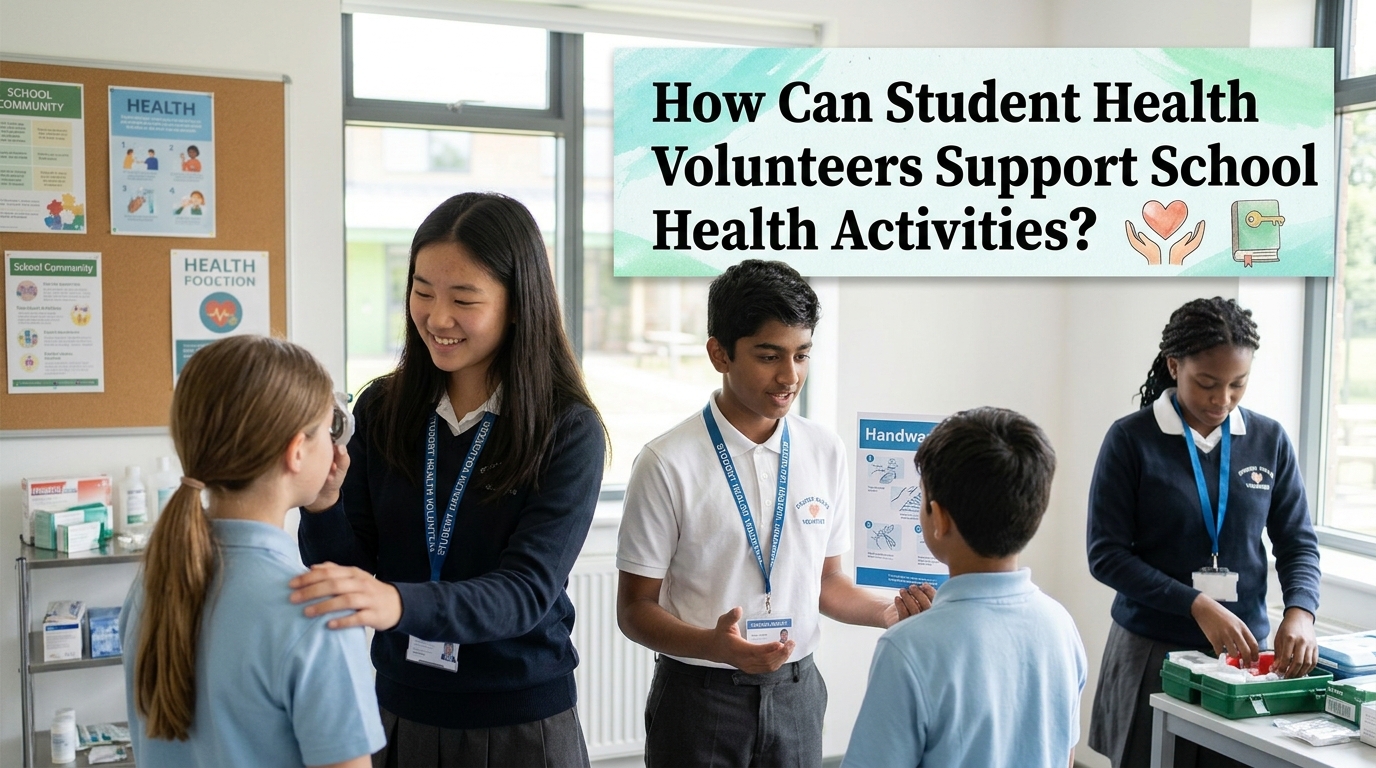
Student health volunteers play an important role in supporting health activities at school. They are students who participate in health-related programs under the guidance of teachers, school health coordinators, or qualified healthcare professionals. Their involvement helps schools promote healthy habits, improve health awareness, and create a cleaner learning environment. Through simple activities such as sharing health information, encouraging handwashing, and supporting school campaigns, student volunteers can motivate their peers to care about their well-being. Although they are not medical professionals, student health volunteers can make a valuable contribution to school health programs.
1. PROMOTING HEALTH EDUCATION AMONG STUDENTS
One important responsibility of student health volunteers is helping share basic health information with their classmates. They can participate in campaigns about personal hygiene, balanced nutrition, physical activity, and disease prevention. For example, volunteers can remind their peers to wash their hands with soap before eating and after using the toilet. They can also help distribute educational posters, brochures, and other materials prepared by teachers or healthcare professionals.
Peer-to-peer communication can make health messages easier for students to understand and accept. Students may feel more comfortable discussing everyday health habits with friends who are close to their age. However, volunteers should share only information from reliable sources and ask teachers or health professionals when they are unsure about a topic. Accurate health education helps students make better decisions about their daily habits.
2. ENCOURAGING PERSONAL HYGIENE AND CLEANLINESS
Student health volunteers can support activities that encourage personal hygiene and a clean school environment. They can remind classmates to wash their hands properly, keep their nails clean, dispose of waste correctly, and maintain tidy classrooms. Volunteers may also help organize handwashing demonstrations and classroom cleanliness campaigns. These activities teach students that hygiene is a shared responsibility.
They can work with teachers to check whether handwashing areas are clean and whether basic hygiene supplies are available. If they notice problems such as damaged taps, dirty toilets, or empty soap dispensers, they should report them to the responsible school staff. Good hygiene practices help reduce the risk of infectious diseases and support a healthier learning environment. Volunteers should never be expected to handle hazardous waste or clean unsafe areas without proper adult supervision.
3. SUPPORTING SCHOOL HEALTH CAMPAIGNS
School health campaigns provide opportunities to introduce important health topics in engaging ways. Student volunteers can help prepare posters, distribute information, arrange educational activities, and encourage classmates to participate. Campaign themes may include healthy eating, dental hygiene, physical activity, mental well-being, and prevention of infectious diseases. These activities can be organized during special school events or included in regular school programs.
Volunteers can also help teachers conduct quizzes, group discussions, and health awareness competitions. Such activities make health education more interactive and help students remember important information. Every campaign should use accurate messages and receive approval or guidance from responsible teachers. Active student participation can make school health campaigns more engaging and effective.
4. PROMOTING HEALTHY EATING AND PHYSICAL ACTIVITY
Student health volunteers can encourage their peers to develop healthier eating habits. They may help organize nutrition campaigns, share information about balanced meals, and promote the benefits of eating fruits and vegetables. Volunteers can also support activities that introduce students to the importance of drinking enough water and limiting excessive consumption of sugary drinks. These efforts help students understand how nutrition supports growth, energy, and concentration.
Physical activity is another important part of a healthy lifestyle. Volunteers can help promote sports events, group exercises, walking activities, and active breaks with permission from teachers. They should encourage participation without making students feel uncomfortable about their physical abilities. Promoting balanced nutrition and regular movement helps students build healthy habits that can continue beyond school.
5. HELPING MAINTAIN A HEALTHY SCHOOL ENVIRONMENT
A healthy school environment includes clean classrooms, safe facilities, proper sanitation, and access to clean drinking water. Student health volunteers can support environmental cleanliness by encouraging waste separation, reducing litter, and participating in supervised school cleaning activities. They can also remind classmates to keep shared spaces tidy and use school facilities responsibly. These simple actions help create a more comfortable place for learning.
Volunteers may report environmental problems to teachers or school administrators when they notice them. Examples include overflowing trash bins, broken handwashing facilities, or areas that may pose safety risks. They should not attempt to repair dangerous equipment or handle harmful substances themselves. A clean and safe school environment supports both student health and learning activities.
6. SUPPORTING BASIC HEALTH ACTIVITIES UNDER SUPERVISION
Student health volunteers may assist with certain school health activities when they have received appropriate guidance. For example, they can help organize student lines during health screenings, distribute approved information, or guide classmates to designated health service areas. They may also help teachers communicate schedules for health education sessions or other school health activities. Their support can make these programs more organized.
However, volunteers must understand the limits of their responsibilities. They must not diagnose illnesses, prescribe medication, administer treatment, or perform medical procedures unless specifically authorized and properly qualified under applicable rules. Students who feel unwell or experience an injury should be referred to the responsible teacher, school health staff, or healthcare professional. Serious or urgent situations require prompt adult assistance and appropriate medical care.
7. PROVIDING PEER SUPPORT AND ENCOURAGING MENTAL WELL-BEING
Student health volunteers can help create a supportive school atmosphere by encouraging kindness, respect, and positive communication. They can promote awareness about stress management, emotional well-being, bullying prevention, and the importance of asking for help. Simple activities such as friendship campaigns and discussions about healthy relationships can help students feel more connected. Volunteers can also encourage classmates to approach trusted adults when they face difficulties.
It is important for volunteers to respect privacy and avoid judging or spreading personal information about their peers. They are not counselors and should not try to manage serious mental health concerns on their own. Instead, they should listen respectfully and guide students toward teachers, school counselors, or qualified professionals. A supportive peer environment can help students feel safer and more comfortable seeking assistance.
8. WORKING WITH TEACHERS, PARENTS, AND HEALTH PROFESSIONALS
Student health volunteers work most effectively when they receive support from adults and relevant professionals. Teachers can provide instructions, supervise activities, and ensure that volunteers understand their responsibilities. School health coordinators can help plan activities and monitor their implementation. Healthcare professionals can provide accurate information and explain appropriate ways to promote health among students.
Parents and families can also support these efforts by reinforcing healthy habits at home. Schools may involve parents in health campaigns, educational meetings, and other activities that encourage student well-being. Regular communication helps ensure that health messages are consistent across school and home environments. Cooperation between students, teachers, families, and healthcare professionals makes school health programs more sustainable.
9. DEVELOPING LEADERSHIP AND RESPONSIBILITY THROUGH VOLUNTEERING
Participating in school health activities can help students develop useful personal and social skills. Volunteers learn how to communicate, work in teams, organize activities, and take responsibility for shared tasks. They also gain a better understanding of how everyday habits affect individual and community health. These experiences can build confidence and encourage students to become more active members of their school community.
Volunteering can also develop empathy because students learn to consider the needs and well-being of others. By helping organize health campaigns and supporting classmates, they practice cooperation and responsible leadership. Schools should provide training and regular guidance so volunteers can perform their duties safely. Student health volunteering benefits not only the school community but also the personal development of the volunteers themselves.
CONCLUSION
Student health volunteers support school health activities by promoting health education, encouraging personal hygiene, assisting with campaigns, and helping maintain a clean school environment. They can also encourage balanced nutrition, physical activity, and positive peer relationships. However, their activities must remain within appropriate limits and be supervised by teachers or qualified healthcare professionals. Student health volunteers are partners in promoting school health, not substitutes for medical personnel. With proper training, clear responsibilities, and consistent guidance, they can help create a healthier, safer, and more supportive school environment.
Recent Posts

Bagaimana Sistem SKS pada Program Kuliah... 22.11.2026/35 View

How Does Technology Make Daily Evaluation... 21.11.2026/69 View

Apa Strategi Menghadapi Kesenjangan antara Kompetensi... 21.11.2026/69 View

Mengapa Inventaris Aset Penting bagi Kelancaran... 21.11.2026/67 View

When Should Musicians Join a Record... 21.11.2026/68 View
