

How Can Students Become Active, Responsible, and Ethical Student Senate Members?
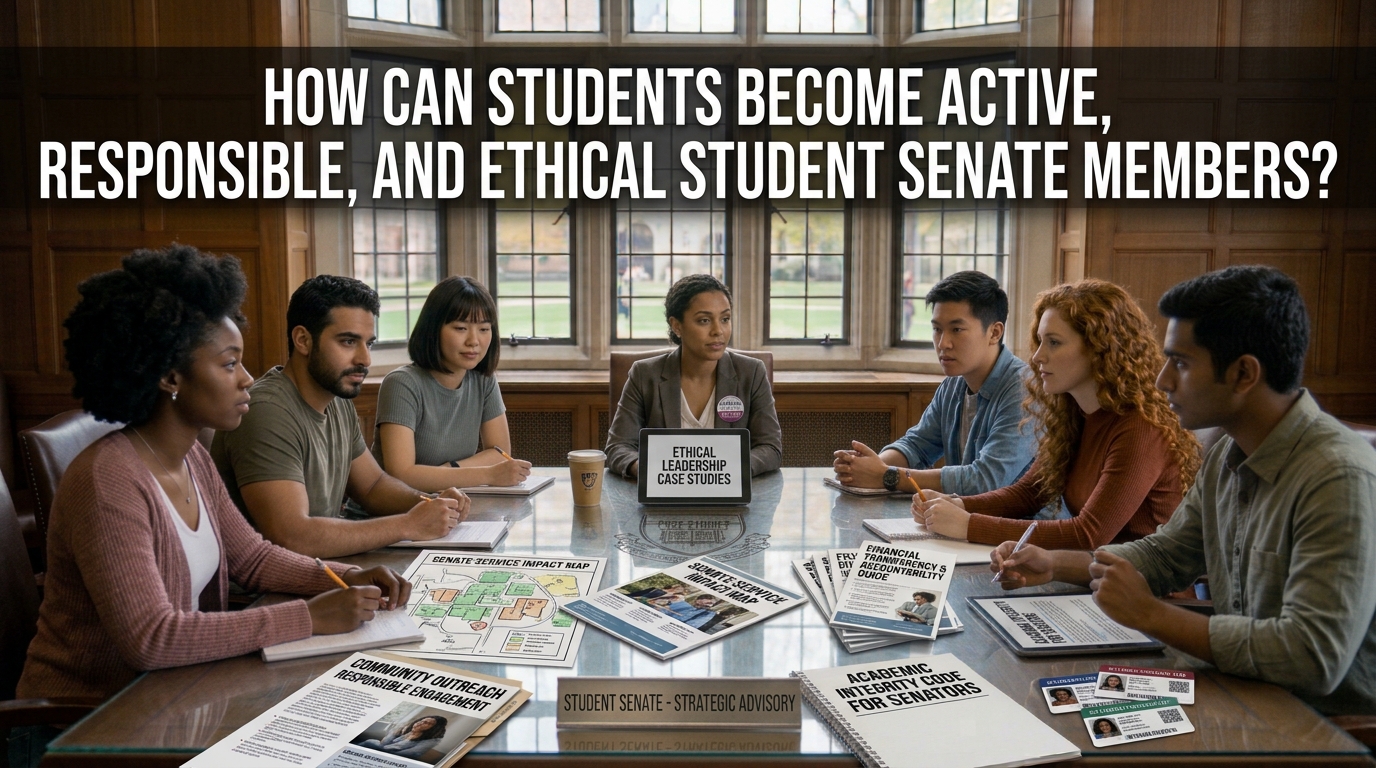
Becoming a student senate member is an opportunity for university students to develop leadership abilities, represent their peers, and contribute to improving campus life. However, being part of the student senate involves more than attending meetings or participating in organizational activities. Members must understand their responsibilities, communicate effectively, and make decisions that consider the interests of the wider student community. They are also expected to demonstrate integrity, accountability, and ethical behavior when carrying out their duties.
To become active, responsible, and ethical student senate members, students need to develop positive organizational habits and maintain a strong commitment to student representation. They must be willing to listen to different opinions, respect university regulations, and participate in constructive discussions. By combining organizational involvement with personal responsibility, students can become trustworthy representatives who make meaningful contributions to university development.
UNDERSTANDING THE ROLE AND RESPONSIBILITIES OF THE STUDENT SENATE
The first step toward becoming an effective student senate member is understanding the organization's purpose and responsibilities. The student senate generally represents student interests, communicates aspirations, evaluates relevant campus policies, and supports the development of a better university environment. Members should understand the organization's rules, internal structure, and authority so they can perform their duties appropriately. This knowledge helps prevent misunderstandings and ensures that every member understands their contribution.
Students should also recognize that student representation requires commitment and accountability. Their responsibilities may include attending meetings, collecting student feedback, discussing important issues, and presenting recommendations to university management. They should not treat their positions merely as titles or opportunities to gain popularity. Instead, they need to focus on serving the student community and fulfilling the responsibilities entrusted to them.
ACTIVELY PARTICIPATING IN ORGANIZATIONAL ACTIVITIES
Active participation is an important characteristic of a successful student senate member. Students should regularly attend meetings, contribute ideas, participate in discussions, and support organizational programs. Their involvement helps ensure that important issues are discussed and organizational activities continue according to established plans. Members should also take the initiative to identify problems and suggest practical improvements rather than waiting for instructions from their leaders.
In addition, active involvement means being willing to engage with the wider student community. Members can attend campus events, organize discussions, and communicate directly with students from different faculties or study programs. These activities help them understand student needs and identify issues that may not appear in formal meetings. Consistent participation also strengthens teamwork and demonstrates genuine commitment to student representation.
DEVELOPING STRONG COMMUNICATION AND LISTENING SKILLS
Effective communication is essential for student senate members because they regularly interact with students, organizational colleagues, and university administrators. They need to explain ideas clearly, present arguments logically, and communicate student concerns respectfully. Good communication also helps prevent misunderstandings during meetings and supports constructive discussions. Students should practice expressing their opinions confidently while remaining open to different perspectives.
Equally important is the ability to listen actively and understand student concerns. Representatives should not focus only on expressing their own opinions but also pay attention to the experiences and suggestions of others. They can use surveys, open discussions, and direct conversations to gather accurate information. By maintaining two-way communication, student senate members can build trust and represent their peers more effectively.
MAINTAINING INTEGRITY AND ETHICAL BEHAVIOR
Ethical behavior is a fundamental requirement for anyone who holds a representative position. Student senate members must act honestly, avoid abusing their authority, and make decisions based on student interests rather than personal benefits. They should also respect organizational regulations and maintain professionalism when handling sensitive information. These principles help protect the credibility of the organization.
Furthermore, members need to demonstrate integrity in both words and actions. They should avoid spreading unverified information, manipulating discussions, or making promises that cannot realistically be fulfilled. When mistakes occur, responsible members should acknowledge them and take appropriate steps to improve. Maintaining ethical standards helps create an organization that students can trust and respect.
TAKING RESPONSIBILITY AND BEING ACCOUNTABLE
Responsible student senate members understand that every organizational position comes with specific duties and expectations. They should complete assigned tasks, meet deadlines, attend important activities, and provide updates about their work. Neglecting responsibilities can affect other members and delay the achievement of organizational goals. Therefore, every member needs to take their role seriously.
Accountability also involves being willing to explain decisions and accept constructive criticism. Members should document important activities, report the progress of assigned tasks, and evaluate their performance regularly. If a program does not achieve its intended results, they should identify the reasons and develop improvements. This attitude encourages transparency and strengthens the organization's overall performance.
RESPECTING DIFFERENCES AND BUILDING TEAMWORK
The student senate consists of individuals with different backgrounds, experiences, interests, and opinions. These differences can create valuable discussions, but they may also lead to disagreements. Members should learn to respect different perspectives and avoid judging others based on personal preferences. A respectful environment allows everyone to contribute ideas without feeling excluded.
Strong teamwork and mutual respect help the organization achieve common goals. Students should cooperate when dividing tasks, supporting organizational programs, and solving internal problems. They should also avoid unnecessary competition and prioritize collective achievements over individual recognition. By developing a cooperative attitude, student senate members can create a healthier and more productive organizational environment.
BALANCING ACADEMIC AND ORGANIZATIONAL RESPONSIBILITIES
Student senate members must remember that they are also university students with academic responsibilities. Organizational meetings, campus activities, and assigned tasks can sometimes conflict with lectures, examinations, or assignment deadlines. Without proper planning, these responsibilities may become difficult to manage. This situation can affect both academic performance and organizational productivity.
To overcome this challenge, students should develop effective time management skills. They can create weekly schedules, establish priorities, and divide organizational tasks according to their available time and abilities. Members should also communicate early when academic commitments affect their participation in certain activities. Maintaining a healthy balance helps students remain productive without neglecting their primary educational responsibilities.
CONTINUOUSLY DEVELOPING LEADERSHIP AND ORGANIZATIONAL SKILLS
Becoming an effective student senate member requires continuous learning and personal development. Students should take opportunities to improve their leadership, critical thinking, negotiation, problem-solving, and decision-making abilities. These skills are useful when organizing programs, discussing campus policies, and responding to student concerns. They also help members become more confident when handling organizational challenges.
One way to develop these abilities is by participating in leadership training, workshops, seminars, and organizational evaluations. Students can also learn from experienced representatives and ask for feedback from their colleagues. Reflecting on previous activities helps identify strengths and areas that need improvement. Through consistent practice, student senate members can become more capable, independent, and professional representatives.
PUTTING STUDENT INTERESTS ABOVE PERSONAL BENEFITS
A student senate position is a responsibility to serve the student community, not simply an opportunity to gain recognition or influence. Members should prioritize collective interests when discussing policies, organizing programs, and making important decisions. They must avoid using their positions for personal advantages or giving special treatment to certain individuals without a fair basis. This principle is essential for maintaining the purpose of student representation.
Putting student interests first also requires fairness, empathy, and commitment. Representatives should consider how decisions affect students with different academic, social, and economic circumstances. They should be willing to communicate with students who have different needs and ensure that minority perspectives are not ignored. By prioritizing the common good, student senate members can create a more inclusive and trustworthy organization.
CONCLUSION
Becoming an active, responsible, and ethical student senate member requires more than organizational participation. Students need to understand their roles, communicate effectively, maintain integrity, fulfill responsibilities, and respect different perspectives. They should also develop leadership abilities, manage their time wisely, and prioritize the interests of the student community.
Ultimately, effective student representation begins with personal commitment and ethical responsibility. Every member has an opportunity to contribute through consistent participation, honest communication, and constructive cooperation. By applying these principles in daily organizational activities, students can become trustworthy representatives who support a more democratic, inclusive, and productive university environment.
Recent Posts

Bagaimana Sistem SKS pada Program Kuliah... 22.11.2026/35 View

How Does Technology Make Daily Evaluation... 21.11.2026/69 View

Apa Strategi Menghadapi Kesenjangan antara Kompetensi... 21.11.2026/69 View

Mengapa Inventaris Aset Penting bagi Kelancaran... 21.11.2026/67 View

When Should Musicians Join a Record... 21.11.2026/68 View
