

How Can Students Correct Errors in Their Academic Transcripts?
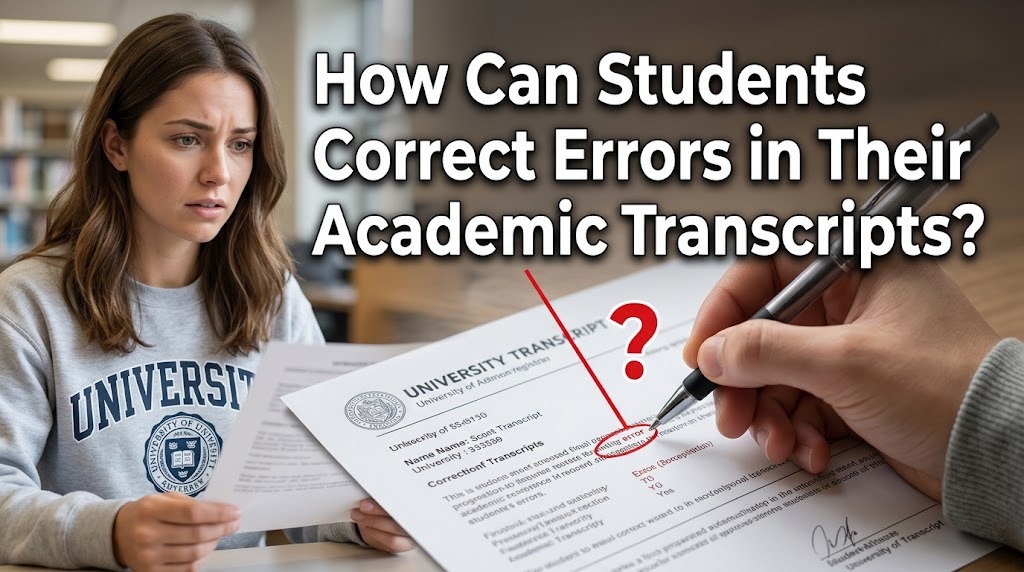
An academic transcript is an important official document that records a student's educational history, including course names, grades, credit units, and overall academic performance. Students use this document for various purposes, such as applying for scholarships, continuing their education, and entering the professional world. However, errors in academic transcripts can sometimes occur due to administrative mistakes, incorrect data entry, or problems during the grading process. Therefore, students need to understand how to identify and correct these errors to ensure their academic records remain accurate and reliable.
IDENTIFYING COMMON ERRORS IN ACADEMIC TRANSCRIPTS
The first step in correcting an academic transcript is identifying the information that contains errors. Some common mistakes include incorrect student names, student identification numbers, course codes, subject names, and semester information. These errors may appear because of inaccurate data entry or incomplete administrative updates.
Students should also pay close attention to grades and credit units because these details directly affect their academic records. For example, a grade may be different from the result officially announced by a lecturer, or the number of credits may not match the university curriculum. Identifying these problems early can prevent difficulties when students use their transcripts for graduation, scholarship applications, or employment opportunities.
CHECKING ACADEMIC RECORDS AND SUPPORTING DOCUMENTS
After identifying a possible error, students should compare the information in their transcripts with their previous academic records. Supporting documents may include official grade reports, course registration records, examination results, and student information stored in the university's academic system. These documents help students determine whether the mistake comes from the transcript or an earlier administrative record.
It is also important to collect clear supporting evidence before submitting a correction request. For example, students who find an incorrect course grade should prepare an official grade report or other relevant confirmation from the lecturer. Having complete documentation makes the verification process easier for university staff. Students should avoid requesting changes based only on personal assumptions without sufficient evidence.
CONTACTING THE UNIVERSITY ACADEMIC ADMINISTRATION OFFICE
Once the error has been confirmed, students should contact the university's academic administration office or the department responsible for managing student records. This office generally handles transcript requests, academic data verification, and administrative corrections. Students can ask about the official procedures and requirements for correcting inaccurate information.
Some universities provide correction services through online academic systems, while others require students to visit the administration office directly. Students may need to complete a correction form and explain the problem in detail. When communicating with university staff, they should provide accurate information and maintain copies of all submitted documents. Following the official procedure can help prevent unnecessary delays.
SUBMITTING AN OFFICIAL TRANSCRIPT CORRECTION REQUEST
The next step is submitting a formal request to correct the inaccurate information. Students generally need to include their full name, student identification number, study program, and a clear explanation of the error. They should also attach relevant supporting documents to demonstrate why the information needs to be changed.
A formal correction request helps the university review the problem through its administrative procedures. If the mistake involves a course grade, the university may need to confirm the result with the lecturer or academic department. Meanwhile, errors involving personal information may require additional identity documents. Students should keep proof of submission so they can follow up if the correction process takes longer than expected.
VERIFYING THE CORRECTED ACADEMIC TRANSCRIPT
After the university processes the request, students should check whether the incorrect information has been corrected properly. They need to review important details, including their personal information, course names, grades, credit units, and GPA. This verification is necessary because an updated document may still contain other errors that were not identified during the first review.
Students should also confirm that the revised transcript has been officially approved and issued by the university. If the document is provided digitally, they should check its verification code, digital signature, or other authentication features when available. Keeping the latest official version is important because outdated transcripts may cause confusion during future applications. Students should save a digital copy and maintain a printed version if necessary.
PREVENTING FUTURE ERRORS IN ACADEMIC RECORDS
Preventing transcript errors begins with regularly monitoring academic information throughout university studies. Students should review their course registrations, examination results, and semester grades after they are officially published. Reporting discrepancies early can make corrections easier because the relevant academic information is still available for verification.
Students should also ensure that their personal information is updated whenever necessary. Maintaining copies of important academic documents, communicating with lecturers, and following university announcements can reduce the risk of administrative problems. In addition, students should carefully review their final transcripts before using them for official purposes. These habits help maintain accurate academic records and protect students from unnecessary difficulties in the future.
CONCLUSION
Correcting errors in academic transcripts is important because these documents serve as official evidence of a student's educational achievements. Students should identify mistakes, compare information with supporting documents, contact the academic administration office, and submit formal correction requests. After the university processes the request, they must verify that all information has been updated accurately. By regularly checking academic records and maintaining proper documentation, students can ensure that their transcripts remain reliable for further education, scholarships, and professional opportunities.
Recent Posts

Bagaimana Sistem SKS pada Program Kuliah... 22.11.2026/40 View

How Does Technology Make Daily Evaluation... 21.11.2026/71 View

Apa Strategi Menghadapi Kesenjangan antara Kompetensi... 21.11.2026/73 View

Mengapa Inventaris Aset Penting bagi Kelancaran... 21.11.2026/69 View

When Should Musicians Join a Record... 21.11.2026/73 View
