

How Can Students Find Campus Bus Schedules and Routes?
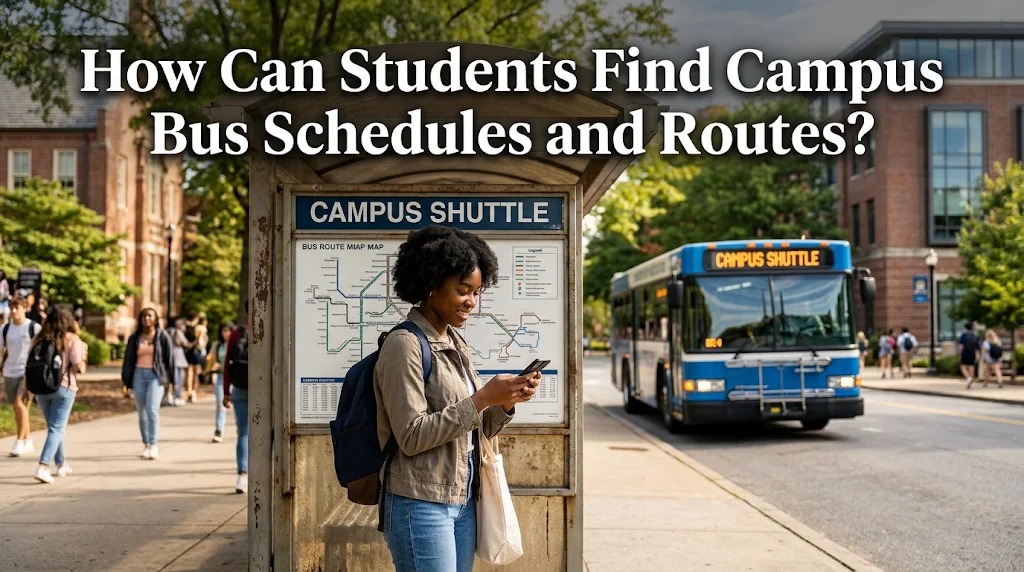
Finding campus bus schedules and routes is important for students who want to travel around university areas efficiently. Campus buses provide convenient transportation between academic buildings, dormitories, libraries, parking areas, and other campus facilities. However, students need accurate information about departure times, bus stops, and available routes to avoid delays and reach their destinations on time.
Universities usually provide transportation information through several channels, including official websites, mobile applications, information boards, and campus service offices. By knowing where to find these details and how to understand them, students can plan their journeys more easily and make better use of campus transportation facilities.
CHECK THE UNIVERSITY'S OFFICIAL WEBSITE
One of the easiest ways to find campus bus schedules and routes is by visiting the university's official website. Some universities provide a dedicated transportation section containing information about operating hours, departure times, bus stops, and route maps. Students can use these details to understand which buses serve their destinations and when they are available. Official information is generally more reliable than unverified announcements from other sources.
Students should look for sections related to campus facilities, student services, or transportation information. If the website provides downloadable route maps or schedule documents, students can save them for future reference. They should also check whether the information has been updated, especially during holidays, examination periods, or changes to academic schedules. This approach helps students avoid relying on outdated transportation information.
USE CAMPUS MOBILE APPLICATIONS
Mobile applications can make it easier for students to access campus bus information anytime and anywhere. Some universities develop dedicated applications that provide transportation schedules, route details, bus stop locations, and service announcements. Certain systems may also offer real-time tracking features that allow students to see the current position of campus buses. These features help students estimate arrival times and reduce unnecessary waiting.
Students should download transportation applications only from trusted sources and check whether the university officially supports them. After installation, they can explore the available transportation features and activate notifications if service updates are provided. If real-time tracking is unavailable, students can still use digital schedules and route maps to plan their journeys. Using these applications regularly can make daily campus transportation more practical and organized.
LOOK AT CAMPUS BUS STOP INFORMATION BOARDS
Information boards at campus bus stops are another useful source of transportation details. These boards usually display route names, stop locations, operating hours, and estimated departure times. Some universities also provide printed maps showing the connections between different campus areas. Students who are unfamiliar with campus transportation can use these signs to identify the correct bus and boarding location.
It is important to read the information carefully before boarding. Students should check whether the bus serves their intended destination and whether the operating schedule matches their travel plans. If a sign is unclear, damaged, or outdated, they can ask the driver or campus transportation staff for clarification. Paying attention to information boards helps prevent mistakes and makes it easier to navigate unfamiliar campus areas.
ASK CAMPUS TRANSPORTATION STAFF OR STUDENT SERVICES
Students can also obtain accurate information by contacting campus transportation staff or the university's student services office. These departments can explain available bus routes, departure schedules, operating policies, and transportation changes. They may also provide guidance for students who have difficulty finding particular bus stops or understanding the route system. Asking directly can be especially helpful when online information is incomplete.
Students can visit the relevant office, contact an official university communication channel, or ask transportation personnel at designated bus stops. Before asking, they should prepare the name of their destination and their expected departure time. This makes it easier for staff to recommend a suitable route. Maintaining communication with university services also helps students receive important updates about temporary route changes and transportation disruptions.
USE DIGITAL MAPS AND PLAN YOUR JOURNEY
Digital maps can help students understand campus bus routes and identify the locations of nearby stops. Mapping applications may provide walking directions to bus stops and show the distance between transportation points and campus destinations. However, students should remember that not every campus bus route is automatically available in public mapping applications. Therefore, university-provided transportation information should remain the main reference.
After finding the correct route, students should compare the schedule with their class timetable and daily activities. They should allow additional travel time during busy periods because passenger demand, traffic conditions, or operational problems may affect departure and arrival times. Saving frequently used bus stops and route information on a mobile device can also make future journeys easier. With proper planning, students can reduce waiting time and arrive at their destinations more comfortably.
CONCLUSION
Students can find campus bus schedules and routes through official university websites, mobile applications, bus stop information boards, transportation staff, and digital maps. Each source provides useful information that helps students understand departure times, available routes, and boarding locations. To avoid confusion, students should prioritize official and regularly updated information before planning their journeys. By using these resources effectively, students can enjoy more convenient transportation, manage their time better, and travel around campus with greater confidence.
Recent Posts

Bagaimana Sistem SKS pada Program Kuliah... 22.11.2026/31 View

How Does Technology Make Daily Evaluation... 21.11.2026/67 View

Apa Strategi Menghadapi Kesenjangan antara Kompetensi... 21.11.2026/66 View

Mengapa Inventaris Aset Penting bagi Kelancaran... 21.11.2026/64 View

When Should Musicians Join a Record... 21.11.2026/65 View
