

How Can Students Find Exam Dates In An Academic Calendar?
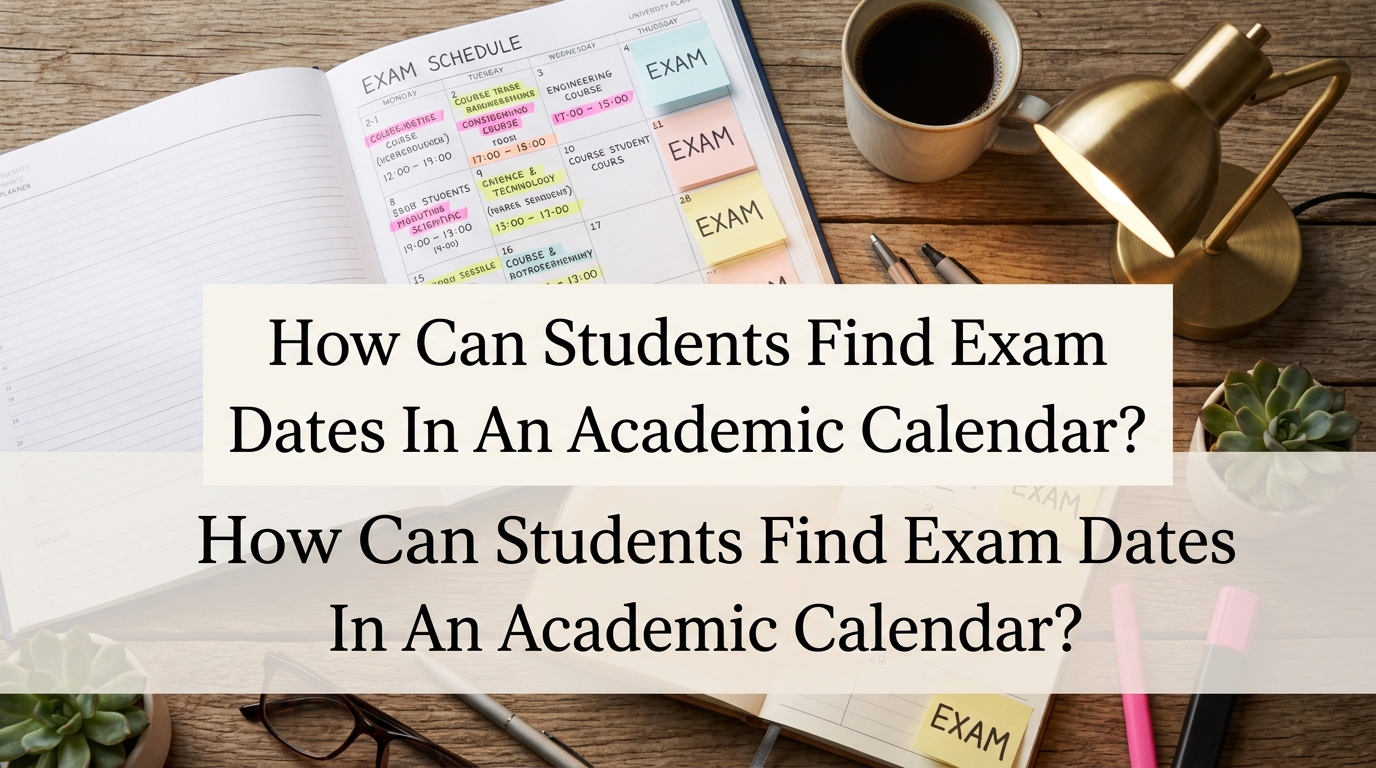
Finding examination dates is an important part of preparing for school or university assessments. Students need to know when their exams will take place so they can organize their study schedules, review learning materials, and avoid missing important deadlines. An academic calendar can help by providing an overview of important academic periods, including midterm examinations, final examinations, and semester breaks. However, not every institution lists the exact date of each subject's exam in the general calendar. By learning how to read the calendar and check official announcements, students can find exam dates more easily and prepare for examinations with greater confidence.
UNDERSTAND THE STRUCTURE OF AN ACADEMIC CALENDAR
The first step in finding exam dates is understanding how an academic calendar is organized. Most calendars display information by month, semester, or academic term. They may include important periods such as the beginning of classes, registration deadlines, midterm examinations, final examinations, and holidays. Recognizing these categories helps students identify the information they need without reading every detail repeatedly.
Students should look for headings such as Examination Period, Midterm Exams, or Final Examination Week. Some universities use different terms depending on their academic system, so it is helpful to read the calendar carefully. If the calendar provides only a general examination period, students should understand that individual subject dates may be announced separately. Learning the calendar's structure makes it easier to identify relevant information and plan study activities in advance.
CHECK THE OFFICIAL UNIVERSITY WEBSITE
The official university website is one of the most reliable places to find academic calendar information. Universities commonly publish their calendars in sections such as Academic Affairs, Registrar, Student Services, or Academic Information. Students can look for downloadable documents, announcements, or pages containing semester schedules and examination periods. Using official sources helps reduce the risk of relying on outdated or incorrect information.
When accessing the website, students should confirm that the calendar applies to their current academic year and semester. Some institutions maintain separate calendars for different faculties, study programs, or student groups. If multiple versions are available, students should choose the one relevant to their program and enrollment period. Always verify the publication date and academic term before using the information to prepare for examinations.
USE THE STUDENT PORTAL OR LEARNING MANAGEMENT SYSTEM
Many universities provide academic information through a student portal or learning management system. These platforms may contain examination schedules, course information, announcements, and other details that are not included in the general academic calendar. Students can log in using their institutional accounts and look for sections related to examinations, timetables, or academic notices. The available features depend on the institution's digital system.
A student portal may show general examination periods, while a learning management system may provide more specific details for individual courses. For example, a lecturer might announce that a mathematics examination will take place on a particular date and include information about the format or required materials. Students should check these platforms regularly because updates may be published throughout the semester. Using both the academic calendar and course announcements provides a more complete picture of upcoming examinations.
DISTINGUISH BETWEEN GENERAL EXAM PERIODS AND EXACT EXAM DATES
One important point is that an academic calendar does not always provide the exact date and time of every examination. It may only indicate a general period when midterm or final examinations are scheduled. The detailed timetable is often published separately by the university, faculty, department, or course instructor. Understanding this difference helps students avoid assuming that a general examination period is the confirmed date for every subject.
For example, an academic calendar may state that final examinations will take place during the second week of December. However, a student's individual examinations might be scheduled on different days within that period. Students should confirm the exact date, time, location, and examination format through the official timetable or lecturer's announcement. Checking the detailed examination schedule is essential for accurate preparation.
ASK LECTURERS OR ACADEMIC ADMINISTRATION FOR CLARIFICATION
Sometimes, students may have difficulty finding examination dates online. The information may not have been published yet, or the relevant page may be difficult to locate. In these situations, students can contact their lecturers, academic advisers, department offices, or university administration staff. These sources can help explain where the schedule is published and whether an official update is available.
When asking for clarification, students should mention their study program, semester, and course if relevant. They should also check whether the information they receive matches the latest official announcement. If different sources provide conflicting dates, it is best to confirm the schedule with the office or lecturer responsible for the examination. This approach helps students avoid confusion and make reliable study plans.
RECORD EXAM DATES IN A PERSONAL STUDY CALENDAR
After finding the examination dates, students should record them in a personal planner or digital calendar. Writing down each subject, examination date, time, and location makes the information easier to review. Students can also set reminders several days or weeks before each exam. This simple habit helps them remember important dates and reduces the risk of missing an assessment.
A personal study calendar can also help students divide their revision into manageable tasks. For example, if an examination is scheduled three weeks away, they can assign specific topics to different study sessions. They should leave enough time to review difficult materials, practice questions, and rest before the exam. Combining exam dates with a realistic study plan supports better time management and more consistent preparation.
CHECK FOR EXAM SCHEDULE UPDATES
Examination dates may change because of administrative decisions, public holidays, emergencies, or other unexpected circumstances. Therefore, students should not rely entirely on a schedule they downloaded at the beginning of the semester. They should regularly check official university websites, student portals, emails, and course announcements for updates. This is especially important in the days leading up to an examination.
If a change is announced, students should immediately update their personal calendars and study plans. They should also make sure they understand whether the new information applies to all courses or only to a specific examination. Saving the latest official timetable can help students keep track of confirmed details. Staying informed about schedule changes helps prevent missed exams and unnecessary confusion.
COMMON MISTAKES TO AVOID WHEN FINDING EXAM DATES
One common mistake is assuming that the general academic calendar contains every examination detail. Students may also accidentally use a calendar from a previous semester or follow an unofficial timetable shared by other students. These errors can lead to incorrect planning and missed examinations. To avoid them, students should verify the academic year, check the relevant course announcements, and use official sources.
Another mistake is recording an examination date without checking its time and location. Students should confirm all available details and look for updates before the examination day. It is also unwise to wait until the last minute to search for the schedule. Checking early and reviewing information regularly gives students more time to resolve questions and prepare effectively.
CONCLUSION
Students can find examination dates in an academic calendar by understanding its structure, checking official university websites, and using student portals or learning management systems. However, the general calendar may show only the examination period rather than the exact date of each subject's exam. For this reason, students should also review detailed timetables and announcements from lecturers or academic departments.
Once the dates are confirmed, students should record them in a personal planner, set reminders, and create a realistic revision schedule. They should also monitor official updates in case the timetable changes. By following these steps, students can manage their time more effectively, prepare for examinations in advance, and reduce the risk of missing important academic assessments.
Recent Posts

Bagaimana Sistem SKS pada Program Kuliah... 22.11.2026/50 View

How Does Technology Make Daily Evaluation... 21.11.2026/80 View

Apa Strategi Menghadapi Kesenjangan antara Kompetensi... 21.11.2026/79 View

Mengapa Inventaris Aset Penting bagi Kelancaran... 21.11.2026/75 View

When Should Musicians Join a Record... 21.11.2026/80 View
