

How Can Students Improve Academic Performance Through Semester Evaluation?
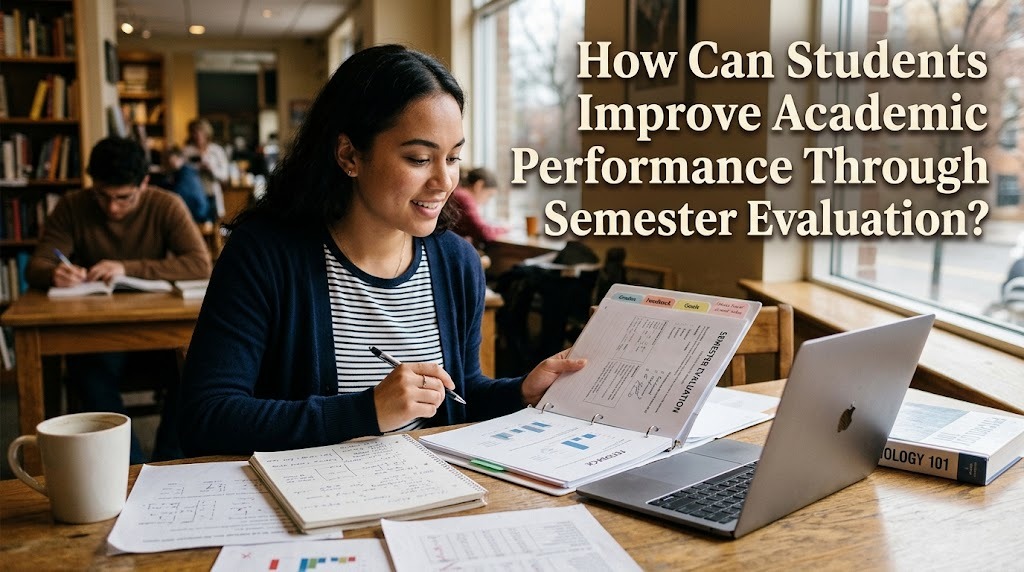
Semester evaluation is an important opportunity for students to understand their academic progress and identify ways to improve their performance. By reviewing examination results, assignments, and teacher feedback, students can recognize their strengths and determine which subjects require additional attention. However, improving academic performance involves more than achieving high scores. Students also need to understand learning materials, develop effective study habits, and apply feedback to future learning activities. When used consistently, semester evaluation can help students build confidence, strengthen their knowledge, and achieve better educational outcomes.
UNDERSTAND THE RESULTS OF SEMESTER EVALUATION
The first step toward improving academic performance is understanding the results of semester evaluation. Students should review their grades carefully to identify subjects in which they performed well and those in which they experienced difficulties. These results provide useful information about their understanding of the learning materials and their progress toward academic goals. Instead of focusing only on the final score, students should examine which topics they answered correctly and which concepts they have not fully understood.
Understanding evaluation results also helps students recognize patterns in their academic performance. For example, consistently low scores in mathematics may indicate a need for additional practice with calculations or problem-solving techniques. Meanwhile, difficulties in language subjects may suggest that students need to improve reading comprehension, vocabulary, or writing skills. By identifying the reasons behind their results, students can develop a more focused improvement plan.
IDENTIFY STRENGTHS AND WEAKNESSES
Semester evaluation helps students recognize their individual strengths and weaknesses across different subjects. Identifying strengths allows students to understand which learning strategies work well for them, while recognizing weaknesses highlights areas that require greater attention. This awareness makes it easier to allocate study time according to actual learning needs. Students can then focus their efforts on improving specific skills rather than studying without a clear direction.
To identify these areas effectively, students should compare their results across subjects and review feedback from teachers. They can create a list of topics they understand well and another list of concepts that remain difficult. For challenging subjects, students may need additional exercises, group discussions, or explanations from teachers. Meanwhile, they can continue developing their strengths through more advanced activities. This balanced approach supports continuous academic development and helps students make measurable progress.
DEVELOP A BETTER STUDY PLAN
A well-organized study plan helps students turn evaluation results into practical learning improvements. After identifying their weaknesses, students should create a schedule that provides enough time to review difficult topics and maintain their understanding of other subjects. The schedule should include clear goals, realistic study sessions, and regular revision periods. By organizing their learning activities, students can avoid last-minute preparation and use their time more efficiently.
An effective study plan should also be flexible enough to accommodate changing academic needs. For example, students who struggle with science concepts may schedule additional practice sessions while maintaining regular revision for subjects they understand more easily. They can use calendars, notebooks, or digital planners to track completed activities and upcoming assignments. Reviewing the schedule regularly allows students to determine whether their strategies are producing positive results. With consistent planning, semester evaluation becomes a starting point for better learning habits.
USE TEACHER FEEDBACK TO IMPROVE LEARNING
Teacher feedback is valuable because it helps students understand why they achieved particular results and how they can improve. Grades indicate a level of achievement, but detailed comments can explain mistakes, misunderstandings, and areas that need further development. Students should read feedback carefully and ask teachers for clarification when they do not understand a correction. This approach allows them to learn from mistakes rather than simply accepting their scores.
Students should apply the feedback they receive to their future assignments and examinations. If a teacher identifies weak essay organization, for example, students can practice creating clearer outlines and arranging their ideas logically. If feedback highlights calculation errors, they can practice similar problems and check each step more carefully. Regularly applying constructive feedback helps students develop stronger academic skills. It also encourages them to take responsibility for their learning progress.
IMPROVE STUDY HABITS AND LEARNING STRATEGIES
Good study habits are essential for translating semester evaluation results into better academic performance. Students should establish a regular study routine, review lessons consistently, and avoid relying entirely on memorization. Active learning techniques, such as answering practice questions, explaining concepts in their own words, and creating summaries, can help strengthen understanding. These techniques encourage students to engage with the material instead of simply reading it repeatedly.
Different subjects may require different learning strategies. Mathematics often requires repeated problem-solving practice, while history may benefit from timelines, concept maps, and explanations of cause-and-effect relationships. Language learning can improve through reading, writing, listening, and regular vocabulary practice. Students should evaluate which methods help them understand and remember information most effectively. By adjusting their study habits based on evaluation results, they can make their learning more focused and productive.
SET REALISTIC ACADEMIC GOALS
Setting realistic academic goals helps students maintain motivation and measure their improvement over time. After reviewing semester evaluation results, students can identify specific targets, such as improving understanding of a difficult chapter, completing assignments on time, or increasing their performance in a particular subject. These goals should be achievable and supported by clear actions. Having a defined target gives students a stronger sense of direction throughout the learning process.
Students should also monitor their progress regularly instead of waiting until the next semester evaluation. They can use practice tests, assignment scores, and teacher feedback to determine whether their efforts are effective. If progress is slower than expected, they can adjust their study schedules or seek additional assistance. It is also important to recognize small improvements because they can encourage continued effort. Realistic goals help students focus on long-term development rather than becoming discouraged by temporary setbacks.
SEEK SUPPORT FROM TEACHERS AND CLASSMATES
Students do not have to improve their academic performance independently. Teachers can provide additional explanations, recommend learning resources, and suggest suitable exercises based on evaluation results. Students should feel comfortable asking questions when they encounter difficult concepts. Seeking help early can prevent misunderstandings from affecting their performance in later lessons.
Classmates can also support learning through group discussions and collaborative study sessions. Explaining a concept to another student can strengthen understanding, while listening to different explanations may make difficult material easier to understand. However, group study should remain focused on learning objectives rather than unrelated conversations. Students should also use reliable learning materials and verify information when they are unsure about an answer. Combining individual practice with appropriate support can make academic improvement more effective.
CONCLUSION
Students can improve academic performance through semester evaluation by understanding their results, identifying weaknesses, developing better study plans, and applying teacher feedback. They should also build consistent study habits, set realistic goals, and seek support when necessary. The most important step is to use evaluation results as guidance for future learning rather than viewing them only as final grades. With regular reflection and consistent effort, students can strengthen their knowledge, improve their learning skills, and achieve better academic outcomes over time.
Recent Posts

Bagaimana Sistem SKS pada Program Kuliah... 22.11.2026/60 View

How Does Technology Make Daily Evaluation... 21.11.2026/87 View

Apa Strategi Menghadapi Kesenjangan antara Kompetensi... 21.11.2026/85 View

Mengapa Inventaris Aset Penting bagi Kelancaran... 21.11.2026/83 View

When Should Musicians Join a Record... 21.11.2026/87 View
