

How Can Students Prepare for Semester Evaluation?
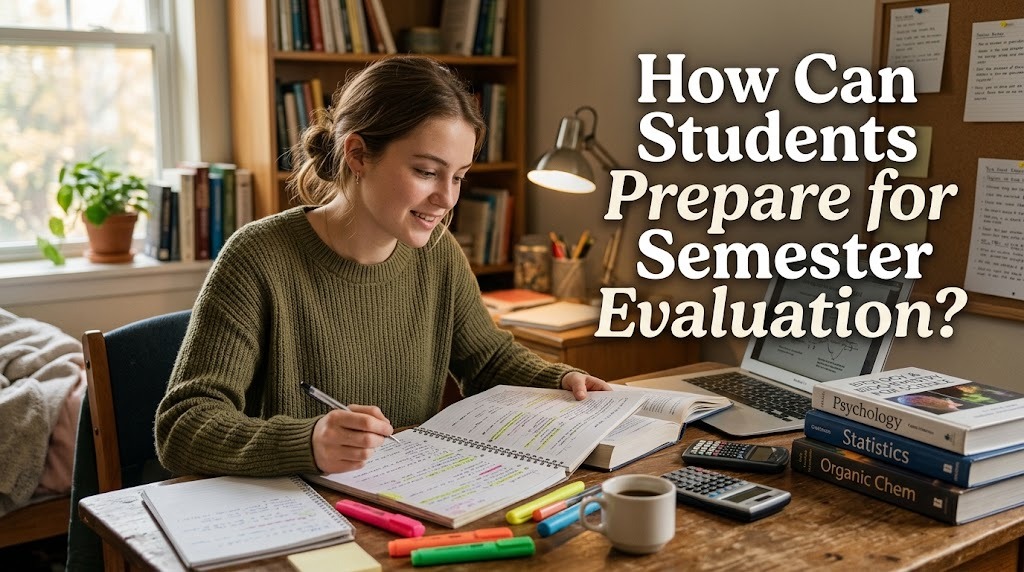
Semester evaluation is an important part of the learning process because it helps teachers measure students' understanding, knowledge, and academic progress. Preparing for semester evaluation requires more than memorizing lessons before an exam. Students need effective study strategies, good time management, sufficient rest, and a clear understanding of the material. With proper preparation, students can feel more confident, reduce exam anxiety, and improve their academic performance.
UNDERSTAND THE EXAMINATION MATERIAL
The first step in preparing for semester evaluation is understanding the subjects and topics that will be tested. Students should review the syllabus, classroom notes, textbooks, and assignments to identify the most important learning materials. They can also ask teachers about the examination format and the topics that require additional attention. Understanding the examination scope helps students avoid spending too much time studying irrelevant material.
Students should divide the material into smaller sections to make learning more manageable. Difficult topics can receive more attention, while familiar subjects can be reviewed briefly to strengthen understanding. This approach helps students study more efficiently and reduces the risk of forgetting important information during the examination.
CREATE A REALISTIC STUDY SCHEDULE
A well-organized study schedule helps students prepare for semester evaluation without feeling overwhelmed. Students should list all subjects that will be tested and estimate how much time each subject requires. They can then distribute study sessions across several days instead of trying to learn everything in one night. A realistic schedule should also include breaks, meals, sleep, and other daily responsibilities.
Consistency is more important than studying for long hours without a clear plan. For example, students can study one difficult subject in the morning and review another subject in the afternoon. They should also adjust their schedules when certain topics require additional practice. By following a flexible routine, students can maintain their learning progress and avoid unnecessary stress before examinations.
USE EFFECTIVE STUDY METHODS
Choosing the right study methods can make semester preparation more productive. Instead of simply reading textbooks repeatedly, students should practice active recall by closing their books and explaining what they remember. They can also summarize important concepts in their own words, create mind maps, or use flashcards to review key information. These methods encourage deeper understanding and help students identify topics they have not mastered.
Practice questions are another useful way to prepare for semester evaluation. Students can answer exercises from textbooks, review previous assignments, or complete sample tests when available. After checking their answers, they should examine mistakes and understand why the correct answers are appropriate. This process improves problem-solving skills and helps students become familiar with different question formats.
REVIEW CLASS NOTES AND LEARNING MATERIALS
Class notes are valuable resources because they usually contain explanations, examples, and important information discussed by teachers. Students should review their notes regularly and compare them with textbooks to ensure their understanding is accurate. Highlighting essential concepts, writing short summaries, and organizing information by topic can make revision easier. However, highlighting alone is not enough, so students should also test their understanding without looking at the answers.
When students find confusing information, they should seek clarification before the examination. They can ask teachers, discuss the material with classmates, or consult reliable learning resources. Addressing misunderstandings early prevents small learning difficulties from becoming major problems during the test. Organized notes also help students review essential concepts quickly when examination day approaches.
PRACTICE TIME MANAGEMENT DURING EXAMS
Preparing for semester evaluation also means learning how to manage time while answering questions. Students should practice completing sample tests within a time limit similar to the actual examination. This helps them estimate how long to spend on multiple-choice questions, short answers, and longer explanations. Practicing under timed conditions can also improve concentration and reduce the pressure of working against the clock.
During the examination, students should read instructions carefully before answering. They can begin with questions they understand well and return to more difficult questions later, provided the examination rules allow it. It is also important to reserve a few minutes to review answers and correct mistakes. Good time management allows students to demonstrate their knowledge more effectively without rushing unnecessarily.
MAINTAIN PHYSICAL AND MENTAL HEALTH
Physical and mental health play an important role in students' academic performance. Getting enough sleep helps support memory, concentration, and clear thinking, while staying awake all night may reduce the ability to understand and recall information. Students should maintain regular meals, drink enough water, and engage in light physical activity to support their well-being. These healthy habits are particularly important during the days leading up to semester evaluation.
Students should also manage stress through simple activities such as deep breathing, short breaks, or relaxing hobbies. Feeling nervous before an examination is normal, but excessive worry can interfere with concentration. Breaking study tasks into smaller goals can make preparation feel more manageable. If anxiety becomes overwhelming, students can seek support from teachers, parents, or school counselors.
SEEK SUPPORT AND EVALUATE STUDY PROGRESS
Students do not have to prepare for semester evaluation entirely on their own. Teachers can explain difficult concepts, while classmates can provide opportunities for group discussions and collaborative learning. Studying with others can be useful when students explain concepts to one another and compare different approaches to solving problems. However, group study should remain focused on learning rather than unrelated conversations.
Students should regularly evaluate their progress by answering practice questions and identifying areas that still need improvement. They can keep a list of difficult topics and revisit them throughout the preparation period. If their practice results show repeated mistakes, they should adjust their study methods instead of repeating the same approach. Monitoring progress helps students use their remaining study time wisely and enter the examination with greater confidence.
PREPARE EXAMINATION REQUIREMENTS IN ADVANCE
Practical preparation is another important part of semester evaluation. Students should confirm the examination schedule, location, classroom arrangements, and any specific instructions provided by their school. They should prepare necessary stationery, identification cards, calculators, or other permitted materials in advance. Checking these requirements early reduces the possibility of forgetting important items or arriving late.
On the day before the examination, students should focus on reviewing essential concepts rather than attempting to learn every topic from the beginning. They should avoid excessive last-minute studying and maintain their usual sleeping routine. Arriving early gives students time to settle down, read instructions, and prepare mentally. A calm and organized approach helps them begin the examination with better concentration.
CONCLUSION
Preparing for semester evaluation requires consistent effort, effective study methods, good time management, and healthy daily habits. Students should understand the examination material, create realistic study schedules, practice answering questions, and evaluate their learning progress regularly. They should also seek help when necessary, manage stress, and prepare examination requirements in advance. By applying these strategies, students can improve their understanding, build confidence, and approach semester evaluation more effectively.
Recent Posts

Bagaimana Sistem SKS pada Program Kuliah... 22.11.2026/60 View

How Does Technology Make Daily Evaluation... 21.11.2026/87 View

Apa Strategi Menghadapi Kesenjangan antara Kompetensi... 21.11.2026/85 View

Mengapa Inventaris Aset Penting bagi Kelancaran... 21.11.2026/83 View

When Should Musicians Join a Record... 21.11.2026/87 View
