

How Can Students Use Campus Bus Services Effectively?
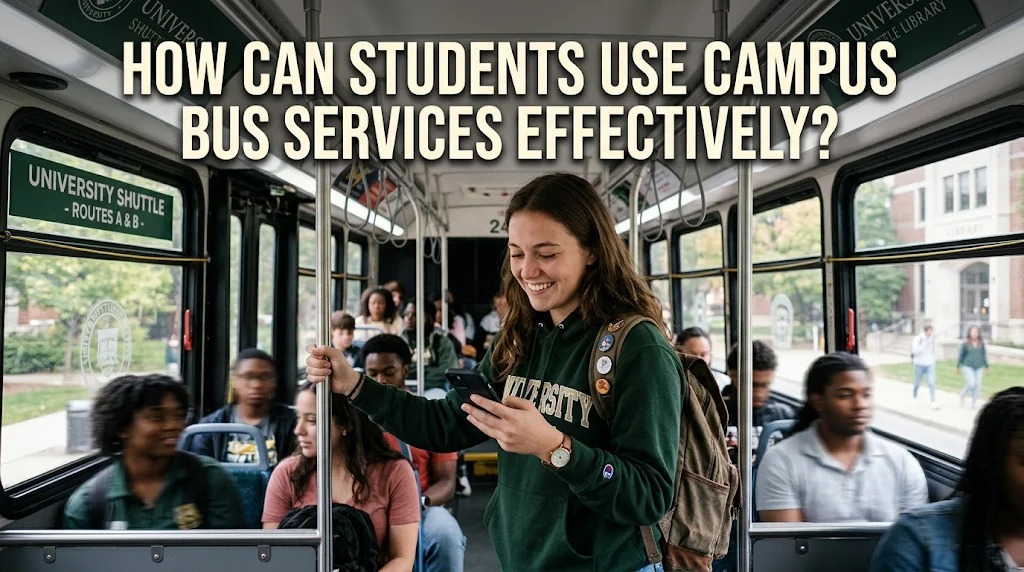
Campus bus services are important transportation facilities that help students travel around university areas more easily. These services allow students to move between campus buildings, dormitories, libraries, parking areas, and other important locations without relying entirely on private vehicles. However, using campus buses effectively requires students to understand the schedules, routes, regulations, and available facilities.
With proper planning, students can save time, reduce transportation expenses, and avoid unnecessary delays. Understanding how to use campus bus services also helps create a more comfortable, safe, and organized transportation experience.
UNDERSTAND THE BUS SCHEDULE AND ROUTES
The first step to using campus bus services effectively is understanding their schedules and routes. Most universities provide transportation information through official announcements, campus information boards, mobile applications, or student service platforms. Students should check the departure times, operating hours, bus stops, and available routes before traveling. This information helps them choose the most suitable bus and avoid waiting too long at a stop.
Students should also identify the bus stops closest to their classrooms, dormitories, libraries, and other frequently visited locations. Understanding the route makes it easier to estimate travel time and plan daily activities. If several routes are available, students should compare them to find the most convenient option. Checking schedule updates regularly is also important because operating times may change during holidays, examinations, or special campus events.
PLAN YOUR JOURNEY BEFORE DEPARTURE
Planning a journey before leaving is another effective way to use campus transportation. Students should consider their class schedules, campus activities, and estimated travel times to determine when they need to catch the bus. Leaving earlier is recommended, especially during busy periods when buses may experience higher passenger demand. Good planning helps students arrive on time without having to rush.
Students can also prepare alternative routes in case their usual bus is delayed or unavailable. Checking the distance between bus stops and destinations can help them decide whether walking or using another transportation option is more practical. It is also useful to prepare student identification cards or digital access passes if the university requires them. These simple preparations can make daily transportation more efficient and convenient.
FOLLOW CAMPUS BUS RULES AND SAFETY GUIDELINES
Following transportation rules is essential for maintaining safety and comfort during every journey. Students should wait at designated bus stops, allow passengers to leave before boarding, and avoid pushing when entering the vehicle. They should also follow instructions from drivers and campus transportation staff. These habits help maintain an orderly boarding process and reduce the risk of accidents.
Inside the bus, students should use available seats properly, hold onto handrails when standing, and keep personal belongings away from emergency exits. Eating, drinking, or playing loud audio should be avoided if these activities are prohibited by campus regulations. Students should also respect other passengers by maintaining cleanliness and keeping conversations at a reasonable volume. By following these guidelines, everyone can enjoy a safer and more comfortable transportation experience.
USE DIGITAL INFORMATION AND TRANSPORTATION FACILITIES
Technology can make campus bus services easier to use. Some universities provide mobile applications or digital platforms that display bus schedules, route information, service announcements, and real-time vehicle locations. Students can use these features to monitor bus movements and estimate arrival times more accurately. This reduces unnecessary waiting and helps them adjust their travel plans when delays occur.
Students should also take advantage of other available transportation facilities, such as digital maps, electronic payment systems, and campus transportation information centers. However, not every university provides the same technology, so students should understand which services are available at their institution. If digital information is unavailable, they can ask campus staff or check official transportation announcements. Using reliable information sources helps prevent confusion and makes campus transportation more accessible.
BUILD GOOD HABITS AND PROVIDE FEEDBACK
Using campus buses effectively also involves developing responsible transportation habits. Students should arrive at bus stops a few minutes before departure, avoid unnecessary delays when boarding, and keep their belongings organized. They should give priority to passengers who need additional assistance, including people with disabilities and those with limited mobility. Being considerate of other passengers helps create a more welcoming campus environment.
Students can also contribute to better transportation services by providing constructive feedback to university management. For example, they can report inaccurate schedules, overcrowded buses, damaged facilities, or problems with bus stop locations. Feedback helps universities identify service weaknesses and determine which improvements are necessary. When students actively participate in maintaining transportation quality, campus bus services can become more reliable and beneficial for the entire academic community.
CONCLUSION
Students can use campus bus services effectively by understanding transportation schedules, choosing suitable routes, planning their journeys, and following safety regulations. Taking advantage of digital information and developing responsible travel habits can also improve convenience and reduce unnecessary delays. In addition, providing feedback allows universities to evaluate and improve their transportation facilities. With proper preparation and cooperation, campus buses can support smoother student mobility, reduce dependence on private vehicles, and create a more comfortable and sustainable university environment.
Recent Posts

Bagaimana Sistem SKS pada Program Kuliah... 22.11.2026/31 View

How Does Technology Make Daily Evaluation... 21.11.2026/67 View

Apa Strategi Menghadapi Kesenjangan antara Kompetensi... 21.11.2026/66 View

Mengapa Inventaris Aset Penting bagi Kelancaran... 21.11.2026/64 View

When Should Musicians Join a Record... 21.11.2026/65 View
