

How Can Teachers Become Homeroom Teachers Who Are Respected and Appreciated by Students?
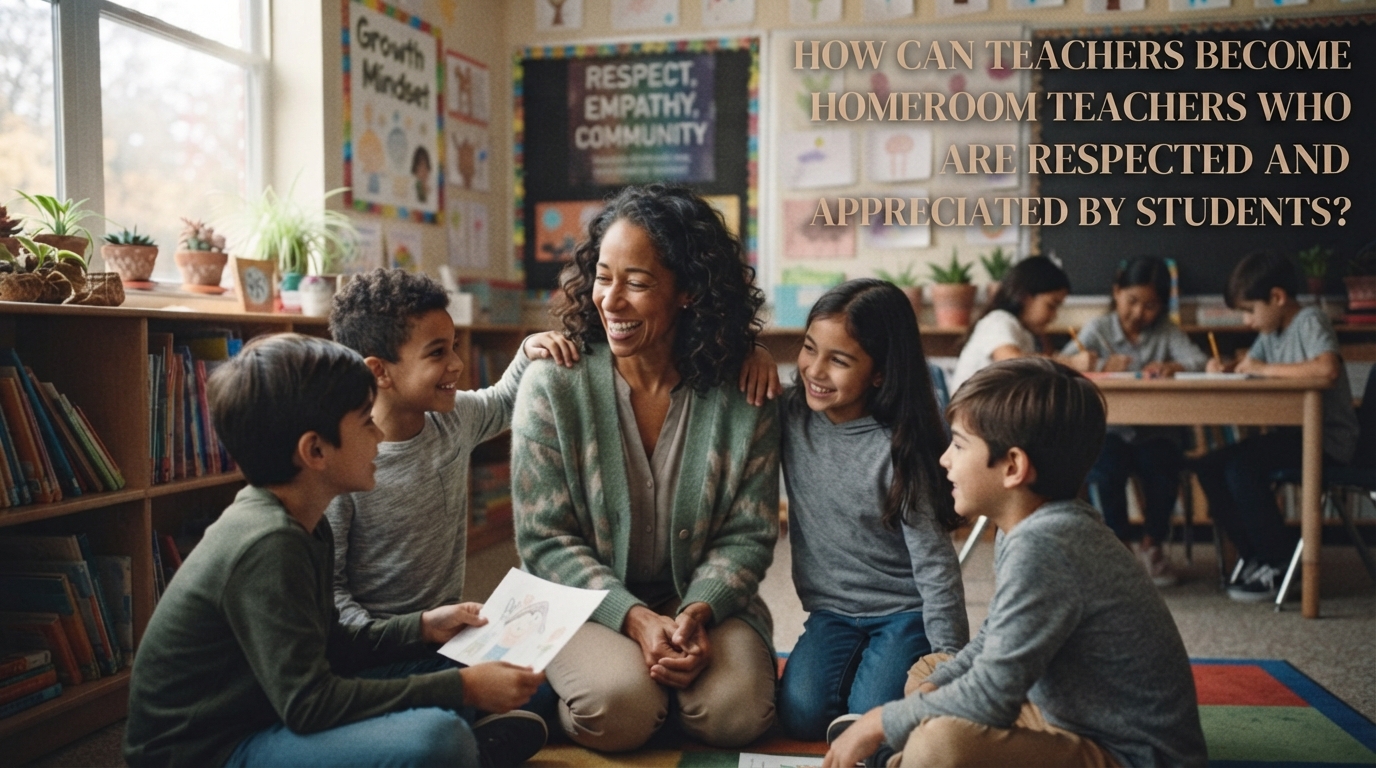
Becoming a homeroom teacher who is respected and appreciated by students requires more than having authority or enforcing classroom rules. A good homeroom teacher must be able to build trust, communicate effectively, demonstrate fairness, and understand students' needs. Students are more likely to respect teachers who treat them with kindness, listen to their opinions, and provide guidance without making them feel uncomfortable or afraid.
A positive relationship between homeroom teachers and students can create a better learning environment. When students feel valued and supported, they are more willing to participate in classroom activities, follow school rules, and discuss their difficulties. Therefore, teachers need to develop professional attitudes and interpersonal skills that help them become respected, approachable, and responsible role models.
1. BUILDING GOOD RELATIONSHIPS WITH STUDENTS
One of the most important ways to become a respected homeroom teacher is to build positive relationships with students. Teachers should make an effort to understand students' personalities, interests, abilities, and individual circumstances. Simple actions, such as greeting students, remembering their names, and showing interest in their activities, can make them feel appreciated. These interactions help create a comfortable atmosphere where students are not afraid to communicate.
Good relationships should also be developed through consistent attention and genuine concern. Teachers need to show that they care about students' academic progress and personal development, not just their grades or classroom behavior. Trust and mutual respect grow when students feel that their homeroom teacher is willing to understand and support them. As a result, students are more likely to appreciate their teacher's guidance.
2. TREATING EVERY STUDENT FAIRLY AND EQUALLY
Fairness is a fundamental quality of a respected homeroom teacher. Teachers should treat all students with equal consideration regardless of their academic performance, family background, personality, or social relationships. Giving special treatment to certain students can create jealousy, reduce trust, and make others feel neglected. Therefore, classroom rules and expectations should be applied consistently.
Fair treatment does not mean that every student must receive exactly the same assistance. Some students may need additional guidance, while others may require different learning opportunities based on their abilities. Teachers should make decisions according to students' needs and objective considerations. Fairness, consistency, and transparency help students recognize that their teacher is responsible and trustworthy.
3. LISTENING TO STUDENTS' OPINIONS AND CONCERNS
A good homeroom teacher should be willing to listen when students express their opinions, questions, or personal concerns. Students sometimes experience academic pressure, friendship conflicts, family difficulties, or problems adapting to school life. When teachers listen attentively without immediately criticizing them, students may feel safer discussing their experiences. This approach also helps teachers understand situations before deciding how to respond.
Listening does not mean that teachers must agree with every student opinion. Instead, they should consider different perspectives, ask appropriate questions, and provide constructive responses. Teachers can also invite students to share suggestions about classroom activities and learning environments. Active listening and open communication strengthen relationships and show students that their voices matter.
4. BEING A GOOD ROLE MODEL IN DAILY LIFE
Students often observe how their teachers behave and may use those behaviors as examples in their own lives. Therefore, homeroom teachers should demonstrate positive attitudes through honesty, discipline, responsibility, politeness, and respect for others. Teachers who consistently follow school rules and fulfill their duties can earn greater credibility. Their actions often communicate values more effectively than repeated instructions.
Being a role model also means admitting mistakes and accepting constructive criticism. Teachers should not expect students to be honest and responsible if they are unwilling to demonstrate those qualities themselves. When teachers show humility and accountability, students can learn that everyone has room to improve. Positive behavior and personal integrity are important foundations of students' respect.
5. COMMUNICATING CLEARLY AND RESPECTFULLY
Effective communication helps homeroom teachers build understanding and prevent unnecessary conflicts. Teachers should explain classroom expectations, school rules, assignments, and important information using language that students can understand. Instructions should be clear, specific, and appropriate for students' ages and abilities. This makes it easier for students to understand their responsibilities.
The way teachers communicate is also important. Correcting mistakes through respectful language is generally more constructive than using insults, humiliation, or excessive criticism. Teachers should give feedback that explains what needs to improve and how students can make progress. Respectful communication helps maintain the teacher's authority while allowing students to feel comfortable expressing themselves.
6. PROVIDING SUPPORT AND GUIDANCE WITHOUT JUDGING
Students need guidance when they face academic, social, or personal challenges. Homeroom teachers should try to understand the reasons behind students' difficulties before making assumptions about their behavior. For example, a student who frequently misses assignments may need help managing time or may be experiencing problems outside school. Teachers can discuss the situation privately and identify appropriate ways to provide support.
Guidance should encourage students to improve rather than make them feel ashamed. Teachers can offer practical suggestions, monitor progress, and recognize positive changes. If a problem requires specialized assistance, they should coordinate with school counselors, parents, or other relevant professionals. Empathy and constructive guidance help students feel supported while learning to take responsibility for their actions.
7. APPLYING CLASSROOM RULES CONSISTENTLY
A respected homeroom teacher needs to establish clear classroom rules that support discipline and a safe learning environment. Students should understand what behaviors are expected, why the rules matter, and what consequences may follow when they are not followed. Rules should be reasonable, communicated clearly, and consistent with school policies. Teachers can also involve students in discussing appropriate classroom agreements to encourage shared responsibility.
Consistency is essential because students may lose trust when teachers enforce rules differently depending on the situation or the individual involved. However, discipline should not rely on fear, threats, or public embarrassment. Teachers should use appropriate consequences that help students understand the impact of their actions. Positive discipline and consistent expectations create an orderly classroom while preserving students' dignity.
8. APPRECIATING STUDENTS' EFFORTS AND ACHIEVEMENTS
Students need recognition to understand that their efforts and improvements are valuable. Homeroom teachers should appreciate not only high academic scores but also dedication, discipline, cooperation, creativity, and progress. For example, a student who becomes more confident in class deserves encouragement even if their academic results are still developing. Recognizing small improvements can motivate students to continue learning.
Appreciation does not always require awards or expensive gifts. A sincere compliment, encouraging message, or simple acknowledgment in class can make students feel valued. Teachers should also avoid comparing students in ways that create unhealthy competition or embarrassment. Positive recognition and meaningful encouragement help develop confidence, motivation, and stronger relationships between teachers and students.
9. DEVELOPING PROFESSIONAL SKILLS AND EMOTIONAL CONTROL
Homeroom teachers need professional skills to handle different classroom situations effectively. Important abilities include communication, problem-solving, conflict resolution, time management, and student guidance. Teachers should continue learning through professional development activities, discussions with colleagues, and educational training. Improving these skills helps them respond more appropriately to students' changing needs.
Emotional control is equally important because teachers may face challenging situations, such as classroom disruptions, disagreements, or students who repeatedly break rules. Responding with excessive anger can damage relationships and make problems more difficult to resolve. Teachers should remain calm, evaluate the situation, and choose an appropriate response. Professional competence and emotional maturity help teachers maintain authority without creating unnecessary tension.
10. CREATING A SAFE AND SUPPORTIVE CLASSROOM ENVIRONMENT
A positive classroom environment allows students to learn, communicate, and develop without unnecessary fear or pressure. Homeroom teachers should encourage mutual respect, cooperation, and acceptance of differences among students. They must also pay attention to bullying, discrimination, and harmful behavior that can affect students' safety and well-being. Every student should feel that they have the right to participate and receive fair treatment.
Teachers can create this environment through group activities, open discussions, clear rules, and regular communication. When conflicts occur, they should address the situation carefully and follow appropriate school procedures. Students should understand that mistakes can become learning opportunities as long as they are willing to take responsibility and improve. A safe and inclusive classroom helps students develop a sense of belonging and appreciate their homeroom teacher's leadership.
CONCLUSION
Becoming a homeroom teacher who is respected and appreciated by students requires fairness, empathy, communication skills, professional behavior, and consistent guidance. Teachers should build positive relationships, listen to students' concerns, appreciate their efforts, and establish clear classroom expectations. These qualities help create an environment where students feel valued, understood, and motivated to improve.
Respect cannot be gained through authority or strict rules alone. It develops through daily actions that demonstrate responsibility, honesty, understanding, and genuine concern for students. When homeroom teachers lead with kindness and consistency, they can earn students' trust, strengthen classroom relationships, and become positive role models in their educational journey.
Recent Posts

How Does Technology Make Daily Evaluation... 21.11.2026/56 View

Apa Strategi Menghadapi Kesenjangan antara Kompetensi... 21.11.2026/58 View

Mengapa Inventaris Aset Penting bagi Kelancaran... 21.11.2026/52 View

When Should Musicians Join a Record... 21.11.2026/53 View

Daily Evaluation or Daily Planning Which... 21.11.2026/60 View
