

How Can Teachers Strategize For A Sustainable National Assessment?
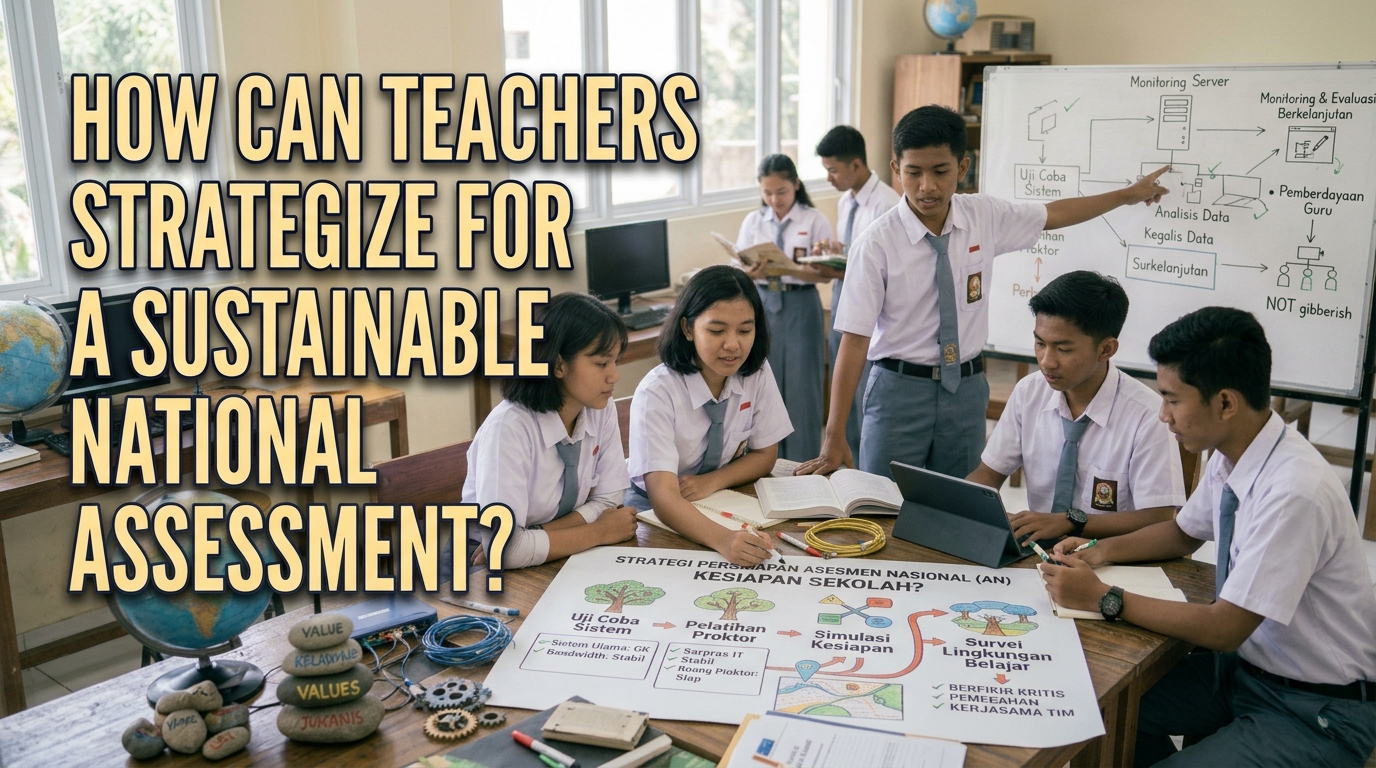
Navigating the demands of large-scale evaluations requires careful planning and forward-thinking strategies from educators. As educational frameworks evolve, building a sustainable national assessment model becomes essential for long-term academic success. Teachers play a pivotal role in bridging official policy mandates with everyday classroom practices. Developing effective preparation strategies ensures that evaluations remain meaningful tools for measuring student progress without causing undue stress.
INTEGRATING FORMATIVE ASSESSMENTS
Educators can significantly enhance long-term readiness by embedding formative assessment practices into daily lesson plans. Instead of relying solely on high-stakes testing, continuous evaluation helps students build familiarity with diverse questioning styles. This ongoing feedback loop allows teachers to identify learning gaps early and adjust their instruction accordingly.
Furthermore, breaking down complex topics into smaller quizzes reduces the intimidation factor associated with standardized exams. Students learn to view testing as a regular part of learning rather than an isolated, terrifying event. Ultimately, consistent classroom assessments foster a culture of continuous improvement and sustainable academic growth.
COLLABORATIVE PROFESSIONAL DEVELOPMENT
Building a sustainable assessment framework demands active participation in professional development programs among school staff. Teachers must collaborate to share best practices, analyze testing data, and design inclusive curricula. Peer mentoring allows experienced educators to support newer colleagues in mastering modern evaluation techniques.
Institutions should establish dedicated time for collaborative planning sessions focused on assessment literacy. When teachers align their grading standards and instructional goals, student evaluation becomes much more consistent. Collective problem-solving minimizes individual burnout and drives institutional success across the board.
MANAGING WORKLOAD AND BURNOUT
Administrative overload is a primary barrier preventing educators from designing effective, sustainable assessment plans. School leaders must streamline reporting requirements and eliminate redundant paperwork to protect teacher well-being. Prioritizing workload management ensures that instructors have the mental energy needed for creative lesson planning.
When educators are well-rested and supported, they can deliver higher-quality guidance to students preparing for exams. Wellness initiatives and structured planning time help prevent chronic exhaustion and professional burnout. Protecting teacher capacity is a prerequisite for maintaining a sustainable system over time.
LEVERAGING DIGITAL TOOLS
Incorporating modern technology into routine coursework helps students adapt seamlessly to digital testing environments. Teachers should utilize interactive learning platforms that mirror the interface and functionality of national exams. Familiarity with digital tools reduces technological anxiety and builds student confidence.
Training students to navigate online platforms effectively ensures that technological hurdles do not skew their true academic scores. Schools must provide equitable access to computers and reliable software for all learners. Embracing educational technology modernizes instruction and secures a resilient testing future.
CONCLUSION
Achieving a sustainable national assessment model requires deliberate effort, robust institutional support, and thoughtful teacher strategies. By integrating formative evaluations, fostering collaboration, managing workloads, and leveraging technology, schools can build lasting success. Ultimately, a balanced approach ensures that national evaluations truly reflect student potential without compromising educational well-being. Continuous evaluation and adaptive policy reforms will further secure this educational framework for future generations. Teachers remain the cornerstone of this ongoing transformation toward academic excellence.
Recent Posts

Bagaimana Sistem SKS pada Program Kuliah... 22.11.2026/54 View

How Does Technology Make Daily Evaluation... 21.11.2026/83 View

Apa Strategi Menghadapi Kesenjangan antara Kompetensi... 21.11.2026/81 View

Mengapa Inventaris Aset Penting bagi Kelancaran... 21.11.2026/78 View

When Should Musicians Join a Record... 21.11.2026/83 View
