

How Can Teachers Support the Success of School Health Programs?
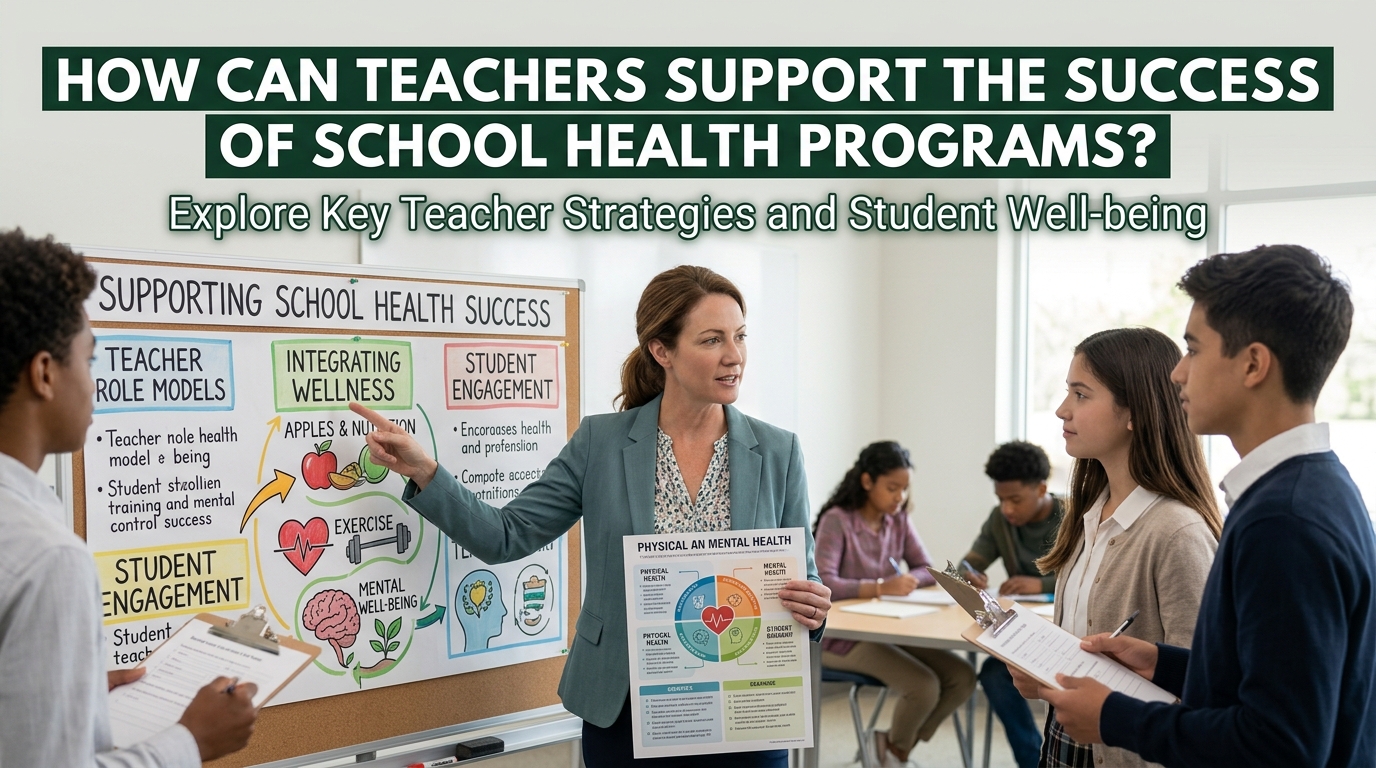
Teachers play an important role in creating a healthy and supportive school environment. Their responsibilities go beyond delivering lessons because they also help students develop positive habits, understand personal hygiene, and recognize the importance of maintaining their health. One way teachers contribute to these goals is by actively supporting School Health Programs. Through daily guidance, health education, and cooperation with other school members, teachers can help ensure that health activities are carried out effectively.
A successful School Health Program requires cooperation between teachers, students, school administrators, parents, and healthcare professionals. Teachers are especially important because they interact with students regularly and can encourage healthy behavior through everyday activities. Their involvement helps connect health knowledge with real-life practices, making students more aware of how to protect their physical, mental, and social well-being. Therefore, understanding how teachers can support school health initiatives is essential for improving the quality of education and student development.
UNDERSTANDING THE ROLE OF TEACHERS IN SCHOOL HEALTH PROGRAMS
Teachers have an important responsibility in supporting students' health and well-being at school. They can introduce healthy habits, provide basic health information, and encourage students to maintain a clean and safe learning environment. Through classroom activities and daily interactions, teachers can help students understand the connection between health and their ability to participate in learning. They can also notice changes in students' behavior or physical condition that may require further attention.
However, teachers are not expected to replace doctors, nurses, or other healthcare professionals. Their role is to provide appropriate guidance, recognize possible concerns, and connect students with the right support when necessary. Teachers act as health promoters and role models who encourage students to make responsible decisions about their health. Their consistent involvement can make school health activities more meaningful and easier to maintain.
INTEGRATE HEALTH EDUCATION INTO CLASSROOM LEARNING
One effective way teachers can support School Health Programs is by including health topics in classroom learning. Students can learn about personal hygiene, balanced nutrition, physical activity, disease prevention, and the importance of adequate sleep. These topics can be connected to subjects such as science, physical education, and social studies. By using familiar examples, teachers can make health information easier for students to understand and apply.
Teachers can also use discussions, group projects, posters, presentations, and practical demonstrations to make health education more engaging. For example, students can create posters about proper handwashing or discuss the benefits of eating nutritious food. These activities encourage students to participate instead of simply memorizing information. Health education becomes more effective when students can connect what they learn with their daily routines.
ENCOURAGE PERSONAL HYGIENE AND HEALTHY HABITS
Teachers can help students develop good personal hygiene through regular reminders and positive examples. Simple practices include washing hands before eating, keeping nails clean, brushing teeth regularly, and maintaining body cleanliness. Teachers can explain why these habits matter and how they help reduce the risk of certain illnesses. Consistent guidance makes it easier for students to understand that personal hygiene is part of everyday responsibility.
In addition, teachers can encourage students to drink enough water, choose nutritious meals, stay physically active, and get sufficient rest. They should avoid embarrassing students who struggle to maintain these habits and instead provide supportive guidance. Positive encouragement and consistent examples can help students develop healthy routines naturally. When these habits are practiced regularly, they can continue beyond the school environment.
MAINTAIN A CLEAN AND SAFE CLASSROOM ENVIRONMENT
A clean classroom is an important part of a successful School Health Program. Teachers can encourage students to keep their desks, floors, and shared learning materials clean. They can establish classroom cleaning routines, promote proper waste disposal, and remind students to use sanitation facilities responsibly. These activities help students understand that maintaining cleanliness is a shared responsibility.
Teachers should also pay attention to classroom safety and report potential hazards to school administrators. Broken furniture, slippery floors, exposed electrical equipment, and poorly arranged learning materials can create risks for students. Students should be encouraged to follow safety rules and avoid dangerous behavior during classroom activities. A clean and safe learning environment supports student comfort, reduces avoidable risks, and promotes better health awareness.
SUPPORT STUDENTS' MENTAL AND EMOTIONAL WELL-BEING
Teachers play an important role in creating a classroom atmosphere where students feel respected, accepted, and safe. They can support emotional well-being by listening carefully, communicating respectfully, and treating students fairly. Students may experience stress because of academic pressure, friendship problems, bullying, or difficulties outside school. Teachers should be aware of these challenges and respond with understanding rather than judgment.
When students show signs of ongoing emotional distress, teachers should follow school procedures and refer them to counselors or qualified professionals. They should not attempt to diagnose mental health conditions or handle serious problems without appropriate support. Teachers can also promote kindness, teamwork, anti-bullying activities, and healthy communication among students. A supportive classroom helps students feel valued and makes it easier for them to seek help when needed.
IDENTIFY HEALTH CONCERNS AND PROVIDE APPROPRIATE INITIAL SUPPORT
Because teachers interact with students every day, they may notice early signs that a student is unwell or experiencing difficulties. These signs can include unusual tiredness, repeated complaints of discomfort, sudden changes in behavior, or difficulty participating in activities. Teachers should respond calmly, listen to the student, and inform the designated school health personnel when necessary. Early attention can help prevent a minor concern from being overlooked.
Teachers should also understand basic school health procedures and know how to respond when students experience minor injuries or sudden illness. First aid should only be provided by people with appropriate training and within their level of competence. Serious symptoms or emergencies require immediate action according to school protocols, including contacting emergency services and parents when appropriate. Recognizing health concerns and following proper referral procedures help protect students without exceeding teachers' professional responsibilities.
COLLABORATE WITH SCHOOL HEALTH PERSONNEL AND HEALTHCARE PROFESSIONALS
The success of a School Health Program depends on strong cooperation among everyone involved in student health. Teachers can work with designated school health staff to organize health education sessions, hygiene campaigns, and other preventive activities. They can also help communicate important health information to students and encourage participation in school health services. This cooperation makes health activities more organized and consistent.
Teachers should also support partnerships between schools and local healthcare providers. Health professionals can provide expert guidance, conduct appropriate screenings, and explain health issues that require specialized knowledge. Teachers can help coordinate activities and communicate relevant concerns through established school procedures. Collaboration ensures that health programs are supported by both educational guidance and professional healthcare expertise.
INVOLVE PARENTS IN SCHOOL HEALTH ACTIVITIES
Parents have a significant influence on students' health habits because many daily routines are developed at home. Teachers can strengthen school health programs by maintaining communication with parents about hygiene, nutrition, physical activity, and general student well-being. Parent meetings, school newsletters, and educational sessions can be used to share practical health information. This communication helps families understand how they can support the school's health initiatives.
Teachers should also inform parents when a student needs further health assessment or follow-up care, while respecting privacy and school policies. Parents can provide relevant information about their children's health needs and help reinforce healthy habits outside school. Cooperation between teachers and parents creates consistent health support across home and school environments. As a result, students receive clearer guidance and more opportunities to practice healthy behavior.
ORGANIZE HEALTH CAMPAIGNS AND STUDENT PARTICIPATION
Health campaigns are useful activities for increasing student awareness and encouraging active involvement. Teachers can help organize events about handwashing, balanced nutrition, oral hygiene, disease prevention, and environmental cleanliness. Activities may include poster competitions, health quizzes, group presentations, classroom demonstrations, or school clean-up programs. These approaches allow students to learn through direct participation.
Teachers can also encourage students to become active members of school health activities. For example, students can help remind classmates about cleanliness, participate in health clubs, or support campaigns under proper supervision. However, students should not be given medical responsibilities beyond their knowledge and training. Student participation builds teamwork, leadership, and a stronger sense of responsibility for community health.
EVALUATE AND IMPROVE SCHOOL HEALTH ACTIVITIES
Teachers can contribute to the long-term success of School Health Programs by helping schools evaluate their activities. They can observe whether students are practicing healthier habits, participating in health campaigns, and following classroom hygiene rules. Teachers can also provide feedback about the effectiveness of health education materials and identify areas that need additional attention. These observations can help school administrators understand what is working well and what needs improvement.
Evaluation should involve cooperation with school health personnel, parents, and other relevant parties. Schools can use feedback to improve activity schedules, strengthen educational approaches, and address problems in the learning environment. For example, if students frequently forget to wash their hands, teachers may suggest more practical demonstrations or better access to handwashing facilities. Regular evaluation helps ensure that school health activities remain useful, relevant, and responsive to students' needs.
CONCLUSION
Teachers play a major role in supporting the success of School Health Programs through health education, personal hygiene guidance, classroom safety, emotional support, and cooperation with parents and healthcare professionals. Their daily interaction with students gives them valuable opportunities to encourage healthy habits and recognize concerns that may require further attention.
However, successful school health activities cannot depend on teachers alone. Schools need proper facilities, clear procedures, trained health personnel, and strong partnerships with families and healthcare providers. By working together, the school community can create a healthier and safer environment for every student. Teachers who actively support school health initiatives help students develop healthy habits, personal responsibility, and greater awareness of their well-being.
Recent Posts

Bagaimana Sistem SKS pada Program Kuliah... 22.11.2026/35 View

How Does Technology Make Daily Evaluation... 21.11.2026/69 View

Apa Strategi Menghadapi Kesenjangan antara Kompetensi... 21.11.2026/70 View

Mengapa Inventaris Aset Penting bagi Kelancaran... 21.11.2026/67 View

When Should Musicians Join a Record... 21.11.2026/69 View
