

How Can Technology Help Increase Reading Interest Among Young People?
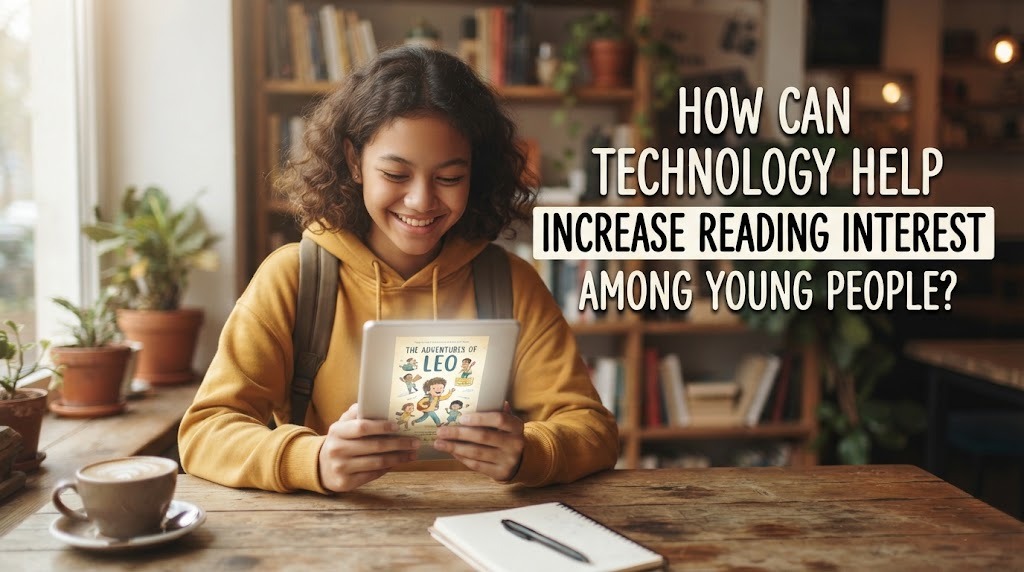
Technology has changed the way young people access and enjoy information. Instead of depending only on printed books, they can now read through smartphones, tablets, computers, and other digital devices. This development creates more opportunities to make reading easier, more accessible, and more enjoyable. Digital technology can also provide different types of reading materials that match young people's interests. Therefore, technology can play an important role in increasing reading interest among young people.
PROVIDING EASY ACCESS TO READING MATERIALS
Technology makes reading materials easier to access at almost any time and place. Young people can use e-books, digital libraries, online articles, and educational websites without having to visit a physical library. This convenience is useful for students who need information for school or want to read for entertainment. They can search for books and articles based on their interests within a short time. Easy access can reduce the barriers that sometimes make reading feel difficult or inconvenient.
Digital access also provides a wider variety of reading choices. Young people can find stories, news, educational content, comics, biographies, and other materials on digital platforms. Having many choices allows them to select content that matches their age, interests, and learning needs. When readers find materials they enjoy, they are more likely to develop a regular reading habit. As a result, technology can make reading a more practical part of everyday life.
MAKING READING MORE INTERACTIVE
Technology can make reading more interactive than traditional reading methods. Some digital books include images, animations, audio, videos, and interactive features that help explain the content. These features can make difficult information easier to understand, especially for young readers who prefer visual or multimedia learning. Interactive content can also make reading feel less monotonous. This experience may encourage young people to spend more time exploring reading materials.
Interactive technology can also encourage readers to participate actively. For example, some learning platforms provide quizzes, questions, or activities after a reading section. These features allow readers to check their understanding while learning. Active participation can make the reading process more engaging and meaningful. When reading becomes an experience rather than a passive activity, young people may become more interested in reading regularly.
RECOMMENDING CONTENT BASED ON INTERESTS
Digital platforms can help young people discover reading materials that match their interests. Recommendation systems may suggest books, articles, or stories based on previous searches and reading activities. For example, someone who frequently reads science stories may receive recommendations for other science-related content. This can help readers discover new materials without spending too much time searching. Relevant recommendations can increase the possibility that young people will find something they actually enjoy reading.
However, recommendations should still be used wisely. Young people should not rely completely on automated suggestions because digital platforms may prioritize popular or frequently viewed content. Parents, teachers, and young readers can help by checking whether the recommended materials are reliable, appropriate, and educational. A balanced approach can help technology support reading interest without limiting readers to only one type of content.
SUPPORTING DIFFERENT READING PREFERENCES
Every young person has different reading preferences and abilities. Some may enjoy long novels, while others prefer short articles, comics, or informative posts. Technology allows readers to choose different formats that suit their needs. Features such as adjustable text size, screen brightness, and digital dictionaries can also make reading more comfortable. These options can help readers who find traditional books difficult to use.
Digital reading can also support young people who need additional learning assistance. Some platforms provide text-to-speech features that can read written content aloud. Translation tools and built-in dictionaries can help readers understand unfamiliar words. These features can make reading more accessible and reduce frustration. When young people feel that reading materials are suitable for their needs, they may become more confident and motivated to read.
ENCOURAGING DAILY READING HABITS
Technology can help young people build consistent reading habits through reminders and reading applications. Some applications allow users to set daily reading goals, track their progress, and record the books they have completed. These features can encourage readers to spend a small amount of time reading every day. A simple routine can gradually develop into a stronger reading habit. Technology therefore can support consistency rather than simply providing access to information.
Young people can also use digital devices to read during free moments. They may read an article while traveling, a short story during a break, or an e-book before going to sleep. This flexibility makes it easier to include reading in a busy schedule. However, users should manage their screen time so that reading does not become mixed with excessive entertainment or social media use. Good digital habits are important for making technology beneficial for reading.
USING SOCIAL MEDIA TO PROMOTE READING
Social media can also contribute to increasing reading interest among young people. Book reviews, reading challenges, recommendations, and short summaries can introduce young people to books they might not know about. Content creators can make reading look interesting, relevant, and enjoyable through creative videos and discussions. Online communities can also allow readers to share opinions and recommendations with others. This social aspect can make reading feel more connected to young people's daily lives.
Schools and libraries can use social media to promote reading activities as well. They can share book recommendations, reading challenges, or information about new digital resources. Young people may become more interested when reading content is presented in a format they frequently use. However, users should still evaluate information carefully because not every recommendation on social media is accurate. Digital literacy is necessary to help young people distinguish useful reading content from unreliable information.
CONCLUSION
Technology can help increase reading interest among young people by making reading accessible, interactive, flexible, and relevant to their interests. Digital books, online libraries, reading applications, recommendation systems, and social media can provide new ways to discover and enjoy reading. Technology can also support different reading preferences and help young people develop consistent reading habits. However, technology should be used wisely because excessive screen time and unreliable online content can create problems. With proper guidance from parents, teachers, schools, and young readers themselves, technology can become an effective tool for developing a stronger reading culture.
Recent Posts

Bagaimana Sistem SKS pada Program Kuliah... 22.11.2026/35 View

How Does Technology Make Daily Evaluation... 21.11.2026/69 View

Apa Strategi Menghadapi Kesenjangan antara Kompetensi... 21.11.2026/70 View

Mengapa Inventaris Aset Penting bagi Kelancaran... 21.11.2026/67 View

When Should Musicians Join a Record... 21.11.2026/69 View
