

How Can Technology Help Students Prepare for Language Competitions?
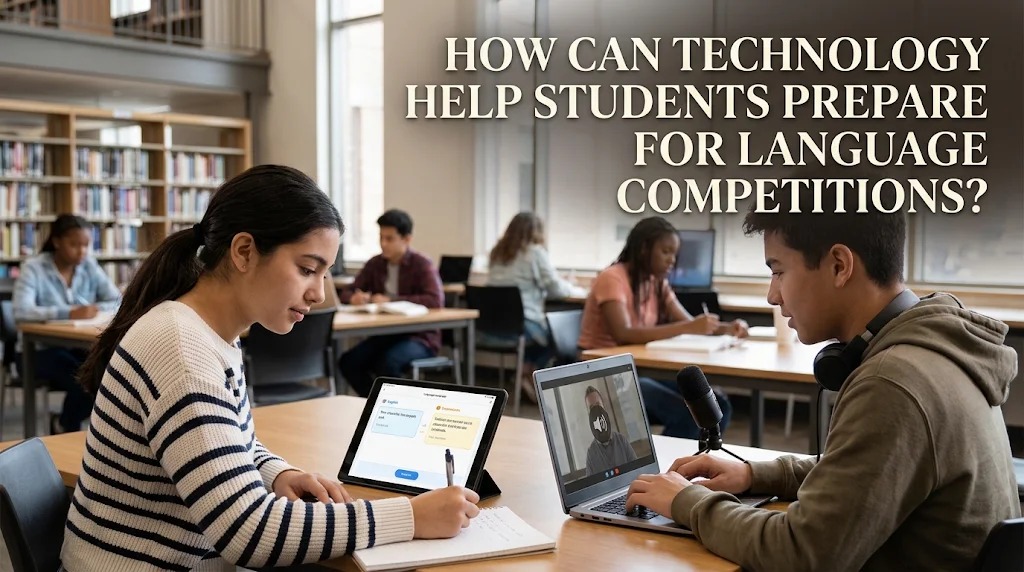
Technology has become an important part of modern education, including preparation for language competitions. Students can use digital tools, educational applications, online learning platforms, and interactive resources to improve their language abilities. These technologies make learning more flexible because students can practice different skills whenever they have free time. They can also access various learning materials that support vocabulary development, grammar understanding, pronunciation, speaking, reading, and listening skills. With proper use, technology can make language competition preparation more effective, interesting, and accessible.
PROVIDING ACCESS TO ONLINE LEARNING MATERIALS
Technology allows students to access a wide range of learning materials through the internet. They can find digital books, language lessons, educational videos, articles, and practice exercises that support their preparation. These resources help students understand different language topics without depending entirely on classroom materials. They can also explore subjects related to the competition and learn new expressions from various sources.
Online learning materials make preparation more flexible because students can study according to their individual schedules. For example, students can watch English learning videos during their free time or read digital articles to improve their reading comprehension. They can also revisit difficult lessons whenever necessary. This flexibility helps students develop their language skills gradually and consistently.
IMPROVING VOCABULARY AND GRAMMAR KNOWLEDGE
Educational applications can help students expand their vocabulary and understand grammar more easily. Many applications provide word exercises, quizzes, flashcards, and interactive activities that make learning more engaging. Students can learn new words, review their meanings, and practice using them in sentences. Some applications also provide examples of how vocabulary is used in everyday communication.
Technology also helps students identify grammatical mistakes through digital writing tools and language exercises. They can practice sentence construction, understand different tenses, and improve their use of punctuation. Immediate feedback allows students to recognize incorrect answers and learn from their mistakes. Regular practice using these tools can strengthen the language knowledge needed for different competition activities.
DEVELOPING SPEAKING AND PRONUNCIATION SKILLS
Technology provides useful opportunities for students to practice speaking and improve their pronunciation. Audio recordings, speech recognition applications, and pronunciation learning platforms can help students understand how words should sound. They can listen to native and proficient speakers, repeat sentences, and compare their pronunciation with available examples. These activities help participants become more familiar with correct pronunciation and natural speaking patterns.
Students can also record their speeches using smartphones or computers. By listening to their recordings, they can evaluate their pronunciation, speaking speed, voice clarity, and confidence. Video calls with teachers or study partners provide additional opportunities to practice conversations. These activities are particularly useful for students preparing for speech, storytelling, presentation, and debate competitions.
PROVIDING INTERACTIVE PRACTICE AND SIMULATIONS
Interactive learning platforms allow students to practice language skills through quizzes, games, and online exercises. These activities make preparation more enjoyable while helping students understand different types of questions. Some platforms provide timed exercises that encourage participants to improve their speed and accuracy. This is useful for competitions that require quick thinking and correct responses.
Students can also use technology to simulate competition situations. For example, they can practice answering questions through video calls, complete online language tests, or prepare presentations using digital tools. Teachers can organize virtual practice sessions and provide feedback on students' performances. By becoming familiar with different competition activities, students can reduce nervousness and improve their readiness.
SUPPORTING INDEPENDENT LEARNING AND PROGRESS EVALUATION
Technology encourages students to become more independent in preparing for language competitions. They can choose learning materials based on their needs, set personal study goals, and practice specific skills without always waiting for classroom instructions. Digital learning platforms often provide progress reports, exercise scores, and learning records. These features help students understand which areas they have mastered and which skills still need improvement.
However, students should not depend entirely on technology. Digital tools should support learning rather than replace direct communication, teacher guidance, and independent thinking. They also need to check the accuracy of information from online sources because not every learning resource provides reliable explanations. By using technology wisely and maintaining a consistent study routine, students can achieve better preparation results.
CONCLUSION
Technology helps students prepare for language competitions by providing accessible learning materials, improving vocabulary and grammar, developing speaking skills, and offering interactive practice. Digital tools also make it easier to evaluate progress and identify areas that need improvement. However, technology works best when combined with regular practice, teacher guidance, and direct communication. By using digital resources responsibly, students can strengthen their language abilities, build confidence, and become better prepared to participate in language competitions.
Recent Posts

How Does Technology Make Daily Evaluation... 21.11.2026/62 View

Apa Strategi Menghadapi Kesenjangan antara Kompetensi... 21.11.2026/63 View

Mengapa Inventaris Aset Penting bagi Kelancaran... 21.11.2026/59 View

When Should Musicians Join a Record... 21.11.2026/58 View

Daily Evaluation or Daily Planning Which... 21.11.2026/66 View
