

How Can Traditional Arts Survive in the Modern World?
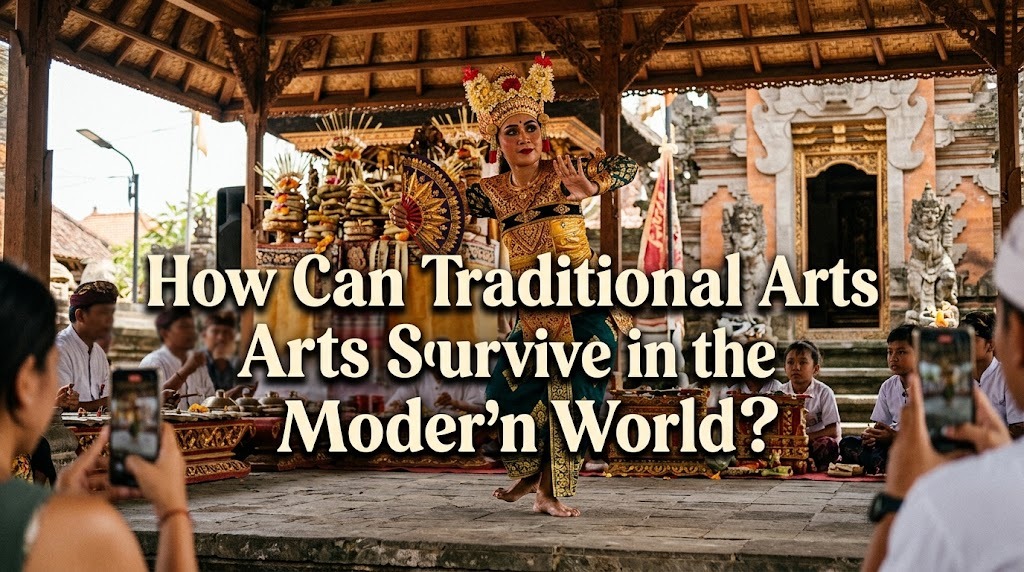
Traditional arts are an important part of cultural heritage because they reflect the history, values, creativity, and identity of a community. They include traditional dances, music, paintings, handicrafts, theatre, and other artistic practices passed down through generations. However, traditional arts face challenges in the modern world, including changing lifestyles, digital entertainment, and declining interest among younger generations. Many traditional artists also struggle to earn a stable income from their work. To survive and remain meaningful, traditional arts need to adapt to modern developments while preserving their original cultural values.
INTRODUCING TRADITIONAL ARTS TO YOUNGER GENERATIONS
Young people play an important role in ensuring that traditional arts continue to exist. Schools, universities, and community organizations can introduce traditional arts through workshops, cultural performances, and practical learning activities. Students can learn traditional dances, musical instruments, painting techniques, and handicrafts directly from experienced artists. These experiences help them understand the meaning behind artistic practices rather than simply seeing them as part of the past. Early exposure can also encourage young people to develop an interest in preserving their cultural heritage.
Families and local communities can support this process by including traditional arts in everyday activities and cultural celebrations. Older generations can share their knowledge, stories, and techniques with younger family members. Local artists can also organize informal classes that make traditional skills easier to learn. When young people are given opportunities to participate creatively, they may become more confident in developing and promoting traditional arts. This connection between generations helps keep cultural knowledge alive.
USING DIGITAL TECHNOLOGY TO PROMOTE TRADITIONAL ARTS
Digital technology provides new opportunities to introduce traditional arts to wider audiences. Artists can use social media, websites, and video-sharing platforms to display their performances, explain their techniques, and share the stories behind their creations. For example, traditional musicians can upload performances, while craftspeople can create tutorials about weaving, carving, or pottery. These digital materials allow people to discover traditional arts even when they live far from the communities where the practices originated. Technology can also help document artistic techniques for future learning.
However, digital promotion should provide accurate information and respect the cultural meaning of each art form. Artists should receive appropriate credit when their work is shared online. Communities should also be consulted when artistic practices involve sacred symbols, restricted knowledge, or cultural expressions that require special care. Digital popularity alone does not guarantee that traditional arts will survive. The strongest results occur when online promotion encourages people to attend performances, learn traditional skills, and support practicing artists.
COMBINING TRADITIONAL ARTS WITH MODERN CREATIVITY
Traditional arts can remain relevant by adapting to contemporary interests without losing their essential identity. Artists may combine traditional techniques with modern designs, new materials, or different performance styles. For example, batik patterns can inspire contemporary clothing, traditional musical instruments can be included in modern compositions, and folk stories can be presented through animation or theatre. These creative approaches can attract audiences who might not otherwise explore traditional culture. They also provide opportunities for artists to experiment and develop new forms of expression.
Nevertheless, innovation should be balanced with respect for cultural heritage. Some traditional patterns, stories, and performances have specific meanings that should not be ignored or misrepresented. Artists can work with cultural practitioners to understand which elements can be adapted and which require special protection. Collaboration between traditional artists and modern designers can help maintain this balance. By combining established knowledge with responsible innovation, traditional arts can evolve while retaining their cultural significance.
SUPPORTING TRADITIONAL ARTISTS FINANCIALLY
Traditional arts are more likely to survive when artists can earn a reasonable income from their work. Many craftspeople, performers, and musicians depend on sales, exhibitions, cultural events, or occasional commissions. Without stable financial opportunities, younger people may hesitate to pursue traditional arts as a profession. Communities can support artists by purchasing authentic handmade products, attending performances, and recommending their work to others. These actions help sustain artistic livelihoods and encourage the continuation of traditional skills.
Governments and cultural organizations can also provide grants, training, exhibition spaces, and business development programs. Traditional artists may benefit from learning about pricing, marketing, product presentation, and online sales. Partnerships with museums, tourism organizations, and local businesses can create additional opportunities to showcase their work. However, commercial development should not exploit artists or remove their control over cultural expressions. Fair payment and respect for intellectual and cultural rights are essential for sustainable preservation.
ORGANIZING CULTURAL FESTIVALS AND COMMUNITY EVENTS
Cultural festivals provide opportunities for traditional artists to perform, demonstrate their skills, and connect with audiences. These events may include traditional music, dance, theatre, handicrafts, local food, and storytelling. They help communities celebrate their identities while introducing visitors to their cultural heritage. Festivals can also encourage young people to participate in traditional performances and learn from experienced practitioners. When organized regularly, they create spaces where cultural traditions can be practiced and appreciated.
Community events can also strengthen relationships between artists, residents, schools, and local organizations. Smaller activities, such as craft demonstrations or neighborhood performances, can be effective even without large budgets. Organizers should ensure that local artists receive fair recognition and that cultural information is presented accurately. They should also consider accessibility so that people from different backgrounds can participate. Through meaningful community involvement, traditional arts become part of living culture rather than occasional displays.
PRESERVING TRADITIONAL TECHNIQUES AND CULTURAL KNOWLEDGE
Traditional arts often depend on specialized skills that require years of practice. These may include textile weaving, wood carving, pottery, traditional instrument making, and particular forms of dance or music. If experienced practitioners stop teaching their skills, important knowledge may gradually disappear. Documenting techniques through written records, photographs, audio recordings, and videos can help preserve this information. Such documentation can support education and research while providing references for future generations.
Documentation alone, however, is not enough to maintain traditional arts. Learners need opportunities to practice under the guidance of experienced artists. Apprenticeships, community workshops, and cultural learning centers can help transfer skills through direct experience. Cultural organizations can support these activities by connecting teachers with students and providing suitable materials and facilities. Protecting traditional knowledge also requires respect for the communities that own and maintain it. By combining documentation with practical learning, traditional arts can continue as active cultural practices.
PROMOTING TRADITIONAL ARTS THROUGH EDUCATION AND TOURISM
Education helps people understand why traditional arts matter and how they connect to history and community identity. Schools can include local artistic traditions in lessons, projects, and extracurricular activities. Students may visit cultural centers, interview artists, or participate in traditional craft workshops. These experiences make cultural learning more practical and engaging. They can also encourage students to appreciate the diversity of artistic traditions within their own country.
Responsible cultural tourism can provide additional opportunities for traditional artists. Visitors may attend performances, purchase locally made crafts, or participate in workshops led by community practitioners. These activities can create income while introducing cultural traditions to new audiences. However, tourism should be managed carefully to prevent cultural practices from being reduced to commercial entertainment. Local communities should have a voice in how their traditions are presented and how tourism benefits are distributed. When education and tourism are managed responsibly, both can support cultural preservation.
CONCLUSION
Traditional arts can survive in the modern world when communities combine cultural preservation with education, technology, innovation, and financial support. Young people need opportunities to learn traditional skills, while artists need fair compensation and spaces to share their work. Digital platforms, cultural festivals, and responsible tourism can help traditional arts reach wider audiences. At the same time, communities must protect the knowledge, values, and meanings that make these art forms unique.
Ultimately, traditional arts remain alive when people continue to practice, appreciate, and pass them on to future generations. Everyone can contribute by attending cultural events, supporting local artists, learning traditional skills, and sharing accurate information. With sustained cooperation and respect for cultural identity, traditional arts can continue to develop while maintaining their connection to the past.
Recent Posts

Bagaimana Sistem SKS pada Program Kuliah... 22.11.2026/48 View

How Does Technology Make Daily Evaluation... 21.11.2026/76 View

Apa Strategi Menghadapi Kesenjangan antara Kompetensi... 21.11.2026/78 View

Mengapa Inventaris Aset Penting bagi Kelancaran... 21.11.2026/73 View

When Should Musicians Join a Record... 21.11.2026/78 View
