

How Can Traditional Cultural Values Be Preserved in Changing Times?
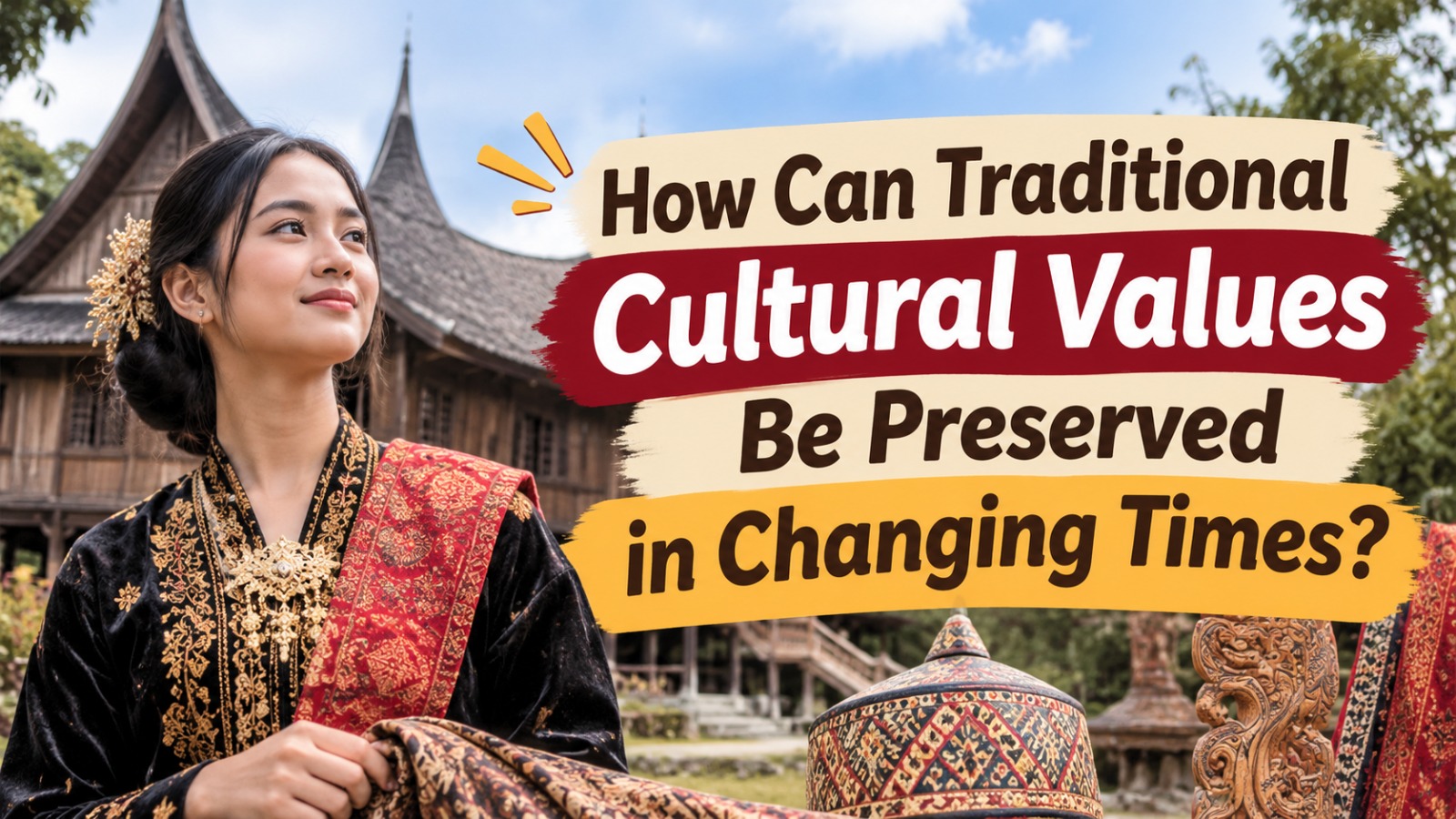
Traditional cultural values are an important part of a society's identity. They reflect the history, beliefs, customs, and ways of life passed down from one generation to another. However, changing times have introduced new lifestyles, technologies, and cultural influences that affect how people think and behave. As modernization continues, some traditional practices are gradually becoming less familiar, especially among younger generations.
Preserving traditional cultural values does not mean rejecting modern developments. Instead, society needs to find ways to maintain meaningful traditions while adapting to changes in everyday life. Families, educational institutions, communities, and governments all have important responsibilities in protecting cultural heritage. Through education, community participation, and responsible use of technology, traditional values can remain relevant for future generations.
UNDERSTANDING THE IMPORTANCE OF TRADITIONAL CULTURAL VALUES
Traditional cultural values are principles, beliefs, customs, and practices that have been passed down through generations. They influence how people interact, respect others, solve problems, and maintain relationships within their communities. Examples include mutual cooperation, respect for elders, family responsibility, honesty, tolerance, and appreciation for local traditions.
These values play an important role in maintaining social relationships and cultural identity. They help individuals understand their background and recognize the importance of belonging to a particular community. Without cultural awareness, younger generations may gradually lose their connection with the history and traditions of their ancestors.
Furthermore, traditional values can provide guidance when society faces modern challenges. Principles such as respect, responsibility, cooperation, and solidarity remain useful even when technology and lifestyles change. Preserving these values helps society maintain its identity while continuing to develop.
THE ROLE OF FAMILY IN PASSING DOWN CULTURAL TRADITIONS
Family is one of the most important environments for introducing traditional cultural values to younger generations. Children usually learn their first lessons about behavior, respect, responsibility, and social relationships through interactions with parents and other family members. Everyday activities can become opportunities to introduce cultural traditions naturally.
Parents can teach children about traditional customs by celebrating cultural events, preparing traditional foods, using regional languages, and sharing stories about family history. They can also encourage children to respect older family members and participate in activities that strengthen relationships between relatives. Learning through everyday family experiences makes cultural values easier to understand and apply.
In addition, parents should explain the meaning behind certain traditions instead of asking children to follow them without understanding their purpose. When young people recognize the benefits and historical significance of cultural practices, they are more likely to appreciate them. A supportive family environment can therefore help ensure that cultural knowledge continues across generations.
USING EDUCATION TO STRENGTHEN CULTURAL AWARENESS
Educational institutions have an important responsibility in introducing traditional cultural values to students. Schools and universities bring together individuals from different backgrounds, making them suitable environments for learning about cultural diversity. Through education, students can understand their own heritage while developing respect for other cultures.
Teachers can introduce local history, traditional arts, regional languages, literature, and cultural practices through classroom activities. Students can also participate in cultural performances, traditional games, community projects, and educational visits to historical locations. These experiences allow them to understand that culture is not limited to textbooks but is also part of everyday community life.
Cultural education should also encourage students to think critically about the importance of preserving traditions. They need to understand which values remain beneficial and how cultural practices can be adapted to modern circumstances. By combining cultural knowledge with modern education, schools can help develop young generations who are knowledgeable, respectful, and proud of their heritage.
PRESERVING CULTURAL HERITAGE THROUGH DIGITAL TECHNOLOGY
Modern technology provides new opportunities to protect and introduce traditional culture to wider audiences. Social media, websites, digital archives, and video platforms allow people to document and share cultural information more easily. Traditional dances, regional music, local languages, historical stories, and traditional crafts can reach audiences beyond their original communities.
Young generations can participate by creating educational videos, sharing information about local traditions, and documenting cultural activities. Digital platforms can also help traditional artists and cultural communities introduce their work to people from different regions and countries. Digital cultural preservation makes it possible to maintain important cultural knowledge while adapting to modern communication habits.
However, digital information must be presented accurately and respectfully. Cultural traditions should not be changed or misrepresented simply to attract online attention. Communities and cultural experts should be involved in documenting their heritage to ensure that the information remains reliable. Technology should become a supporting tool for cultural preservation rather than a reason to abandon original traditions.
ENCOURAGING COMMUNITY PARTICIPATION AND CULTURAL ACTIVITIES
Community participation is essential for keeping traditional cultural values alive. Cultural practices are more likely to survive when people actively participate rather than simply observe them. Local communities can organize traditional festivals, art performances, cultural exhibitions, and activities that introduce regional customs to younger generations.
These activities provide opportunities for people to learn directly from cultural practitioners. For example, young people can learn traditional dances from local artists, practice regional crafts, or participate in community celebrations. Such experiences strengthen relationships between generations and create a sense of shared responsibility for cultural preservation.
Community involvement also helps local traditions become part of modern economic and social activities. Traditional crafts, regional foods, cultural tourism, and local performances can create opportunities for small businesses and cultural workers. When communities receive economic and social benefits from preserving their heritage, they may become more motivated to protect it.
BALANCING MODERNIZATION WITH CULTURAL IDENTITY
Modernization introduces new lifestyles, ideas, and habits that can influence traditional cultural practices. Global communication and international entertainment expose people to different cultural perspectives. Although these influences can create positive opportunities, they may also encourage individuals to overlook their own cultural identities.
Society needs to develop an open mindset without losing important traditional principles. People can adopt useful technological innovations, modern educational methods, and new professional opportunities while continuing to respect their cultural heritage. Modernization and cultural preservation can develop together when communities understand which changes are beneficial and which traditions deserve continued protection.
It is also important to avoid treating every traditional practice as something that must remain unchanged. Some customs may need to be adjusted to reflect modern knowledge, equality, and social needs. The main objective is to preserve positive cultural values while allowing society to improve. Through this balanced approach, traditional culture can remain meaningful and relevant in changing times.
CONCLUSION
Traditional cultural values can be preserved in changing times through cooperation between families, educational institutions, communities, and governments. Families can introduce cultural traditions through everyday experiences, while schools can strengthen cultural awareness through education and practical activities. Digital technology also provides opportunities to document and introduce traditional heritage to wider audiences.
Cultural preservation does not require society to reject modernization. Instead, people need to maintain positive traditional values while accepting developments that improve their quality of life. Community participation and cultural education are equally important in ensuring that traditions remain meaningful for younger generations.
Ultimately, preserving traditional cultural values is a shared responsibility. By respecting cultural heritage, encouraging young people to participate, and using technology wisely, society can maintain its identity while moving forward. This balance will help ensure that valuable traditions continue to inspire and guide future generations.
Recent Posts

How Does Technology Make Daily Evaluation... 21.11.2026/57 View

Apa Strategi Menghadapi Kesenjangan antara Kompetensi... 21.11.2026/59 View

Mengapa Inventaris Aset Penting bagi Kelancaran... 21.11.2026/55 View

When Should Musicians Join a Record... 21.11.2026/54 View

Daily Evaluation or Daily Planning Which... 21.11.2026/61 View
