

How Can Village Tourism Awareness Groups Develop Local Tourism Potential?
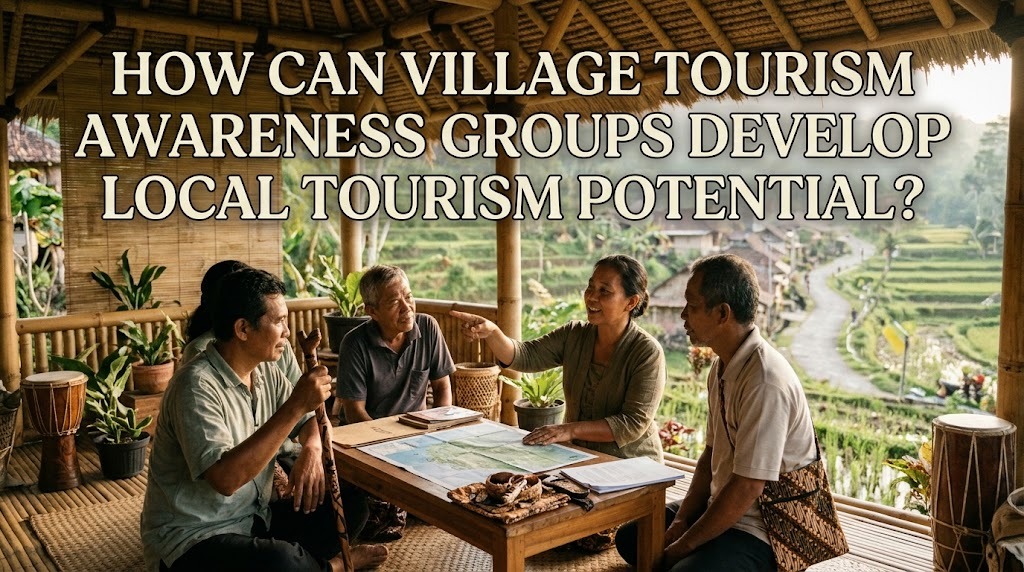
Village tourism has become an important opportunity for communities to improve their local economy while preserving their cultural identity and natural environment. Every village has unique attractions, such as beautiful landscapes, traditional ceremonies, local crafts, historical sites, and traditional culinary products. However, these resources cannot develop into successful tourist destinations without proper planning and community involvement. This is where Village Tourism Awareness Groups, commonly known as Pokdarwis in Indonesia, play an important role. Through cooperation, creativity, and effective management, these groups can help villages recognize, develop, and promote their tourism potential.
IDENTIFYING AND EXPLORING LOCAL TOURISM POTENTIAL
The first step in developing village tourism is identifying the resources and attractions available in the surrounding area. Village Tourism Awareness Groups need to observe their village carefully to discover potential attractions, including natural landscapes, cultural traditions, historical buildings, traditional food, and local handicrafts. These resources can become valuable tourism assets when they are managed properly. Communities should also identify attractions that make their village different from other destinations. This process helps tourism groups determine which attractions have the greatest opportunities to attract visitors.
In addition, identifying tourism potential should involve local residents, traditional leaders, business owners, and village officials. Their knowledge can provide useful information about local history, community traditions, and environmental conditions. Tourism groups can organize discussions, surveys, and field observations to collect relevant information. The results can then be used to create a development plan based on the village's actual strengths and resources. By understanding their local potential, communities can develop tourism programs that are more realistic, attractive, and sustainable.
IMPROVING TOURISM FACILITIES AND INFRASTRUCTURE
Attractive tourism destinations require adequate facilities and infrastructure to provide comfortable experiences for visitors. Village Tourism Awareness Groups can work with village governments and local communities to improve basic facilities, such as roads, parking areas, public toilets, waste disposal facilities, and visitor information centers. These facilities help tourists access destinations more easily and enjoy their visits safely. Proper infrastructure also creates a positive impression and encourages visitors to spend more time exploring the village. Therefore, improving tourism facilities should become one of the main priorities in destination development.
However, infrastructure development does not always require expensive construction projects. Tourism groups can begin with simple improvements, such as installing direction signs, cleaning public spaces, providing seating areas, and maintaining existing facilities. They can also encourage residents to participate in maintaining the cleanliness and appearance of tourist destinations. Cooperation with village governments and other stakeholders is important to ensure that improvements are carried out according to community needs. With consistent maintenance and proper planning, even small improvements can make a significant difference in the quality of village tourism.
DEVELOPING CREATIVE TOURISM ACTIVITIES AND EXPERIENCES
Modern tourists are not always interested in visiting beautiful places without participating in any activities. Many visitors want to experience local lifestyles, learn traditional skills, taste regional food, and interact with local communities. Village Tourism Awareness Groups can respond to this interest by creating experience-based tourism activities that highlight the village's unique characteristics. Examples include traditional cooking classes, farming activities, handicraft workshops, cultural performances, and educational tours. These activities provide visitors with memorable experiences while introducing them to local traditions and knowledge.
Creative tourism programs can also increase opportunities for residents to participate in the tourism industry. Local farmers, artists, craft makers, food sellers, and cultural performers can become part of the tourism experience. Tourism groups can help organize these activities, establish schedules, and maintain service quality. They should also ensure that tourism experiences respect local customs and do not negatively affect community life. By developing interesting and meaningful activities, villages can create stronger attractions and encourage visitors to return.
PROMOTING LOCAL TOURISM THROUGH DIGITAL MARKETING
Effective promotion is essential for introducing village tourism destinations to a wider audience. Even villages with attractive natural and cultural resources may struggle to attract visitors if people do not know about their existence. Village Tourism Awareness Groups can use digital marketing to share information about local attractions, tourism activities, accommodation, and special events. Social media platforms such as Instagram, Facebook, TikTok, and YouTube provide accessible ways to reach potential tourists. Through attractive photographs, informative videos, and engaging stories, tourism groups can introduce their destinations to people from different regions.
In addition to social media, tourism groups can develop simple websites, digital brochures, and online location information to help visitors plan their trips. They should provide accurate details about ticket prices, operating hours, transportation access, and available facilities. Collaboration with travel communities, tourism influencers, and local content creators can also increase destination visibility. Consistent communication is important because visitors often look for updated information before deciding where to travel. With an organized digital promotion strategy, village tourism destinations can become more recognizable and competitive.
STRENGTHENING COMMUNITY PARTICIPATION AND LOCAL COOPERATION
Community participation is one of the most important factors in developing successful village tourism. Tourism activities should not only benefit tourism group members but also create opportunities for the wider community. Village Tourism Awareness Groups can involve residents in various activities, including destination management, visitor services, cultural performances, food production, and local product sales. This involvement encourages people to recognize tourism as a shared opportunity rather than an activity controlled by a small number of individuals. When residents actively participate, tourism development becomes more closely connected to local needs and interests.
Cooperation with village governments, small businesses, educational institutions, and tourism organizations can also strengthen development programs. For example, local businesses can provide food, souvenirs, transportation, and accommodation services for visitors. Educational institutions may contribute through training, research, and community development programs. Meanwhile, village governments can support tourism groups through funding, regulations, facilities, and administrative assistance. Strong partnerships allow tourism groups to access more resources and knowledge. As a result, tourism development can create wider economic benefits and stronger relationships among community members.
APPLYING SUSTAINABLE TOURISM MANAGEMENT
Developing tourism potential should not focus only on increasing visitor numbers or generating short-term income. Village Tourism Awareness Groups also need to protect natural resources, preserve cultural heritage, and maintain the quality of life of local residents. Sustainable tourism management ensures that tourism activities provide economic benefits without damaging the environment or weakening local traditions. Tourism groups can introduce waste management programs, environmental education, tree planting activities, and regulations for visitors. These initiatives help maintain attractive and healthy tourism destinations for future generations.
Furthermore, tourism groups should regularly evaluate their programs to understand what works well and what needs improvement. Evaluation can include reviewing visitor satisfaction, community involvement, tourism income, environmental conditions, and the effectiveness of promotional activities. The results can help groups make better decisions and adjust their development strategies. They should also provide opportunities for residents to express their opinions about tourism activities. By combining economic development, environmental protection, and cultural preservation, village tourism can grow responsibly and provide long-term benefits for the entire community.
CONCLUSION
Village Tourism Awareness Groups play an important role in developing local tourism potential through planning, community participation, and sustainable management. They can begin by identifying unique village resources, improving tourism facilities, creating attractive activities, and promoting destinations through digital platforms. Cooperation with residents, village governments, and local businesses is also essential to strengthen tourism programs and expand their economic benefits. However, tourism development should always consider environmental protection and cultural preservation. With consistent efforts, effective management, and strong community support, Village Tourism Awareness Groups can transform local resources into attractive destinations that improve community welfare and create sustainable tourism opportunities.
Recent Posts

Bagaimana Sistem SKS pada Program Kuliah... 22.11.2026/37 View

How Does Technology Make Daily Evaluation... 21.11.2026/70 View

Apa Strategi Menghadapi Kesenjangan antara Kompetensi... 21.11.2026/73 View

Mengapa Inventaris Aset Penting bagi Kelancaran... 21.11.2026/68 View

When Should Musicians Join a Record... 21.11.2026/71 View
