

How Can Village Tourism Awareness Groups Increase Local Income Through Tourism Activities?
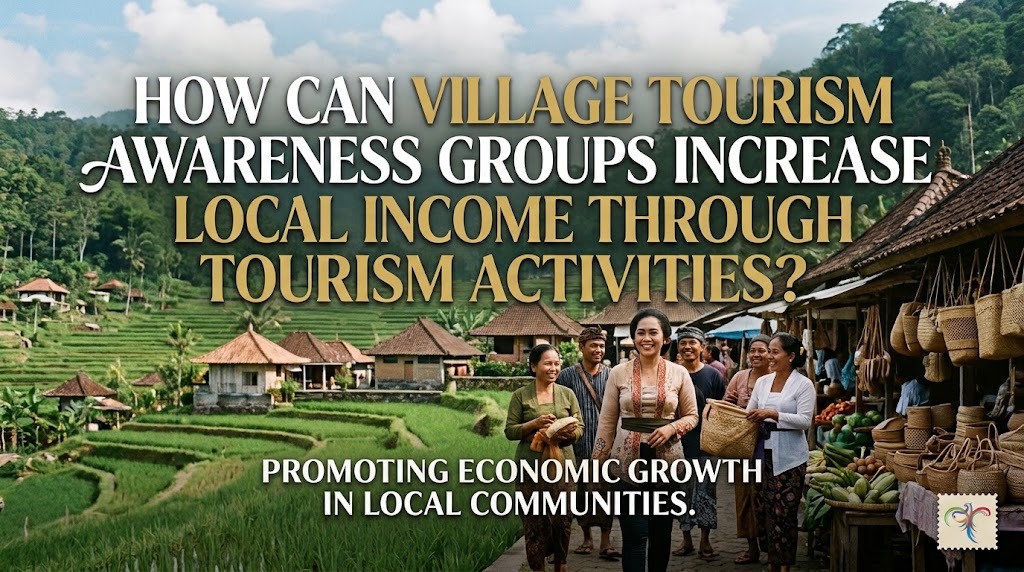
Village tourism has become an important opportunity for rural communities to improve their economic conditions and create new sources of income. Many villages have valuable resources, including natural attractions, traditional cultures, agricultural products, handicrafts, and local culinary specialties. These resources can generate economic benefits when they are managed through well-planned tourism activities. Village Tourism Awareness Groups, commonly known as Pokdarwis in Indonesia, play an important role in connecting local tourism potential with economic opportunities for residents. Through effective management, creative programs, and cooperation with local businesses, these groups can help increase community income and support sustainable village development.
DEVELOPING LOCAL TOURIST ATTRACTIONS AND ACTIVITIES
One effective way to increase local income is by developing attractive tourism destinations and activities. Village Tourism Awareness Groups can identify natural landscapes, historical sites, cultural traditions, and other local resources that have the potential to attract visitors. These resources can be developed into tourism activities such as nature exploration, traditional performances, educational tours, and outdoor recreation. When destinations become more attractive, they can encourage more tourists to visit and spend money on local products and services. This creates opportunities for residents to earn income from tourism-related activities.
In addition, tourism groups should develop experiences that reflect the unique identity of their villages. For example, villages with agricultural potential can offer farming experiences, while areas with traditional crafts can organize handicraft workshops. These activities provide additional attractions beyond sightseeing and encourage visitors to spend more time in the village. Longer visits may increase demand for food, accommodation, transportation, and souvenirs. By developing diverse tourism activities, communities can create more opportunities to generate income.
SUPPORTING LOCAL SMALL BUSINESSES AND ENTREPRENEURS
Village tourism can provide significant opportunities for local small businesses to increase their sales. Village Tourism Awareness Groups can encourage residents to establish businesses that serve visitors, such as food stalls, souvenir shops, homestays, transportation services, and local product stores. These businesses can use existing community skills and resources to meet tourist demand. For example, residents who produce traditional snacks can sell their products directly to visitors. This allows tourism spending to benefit local entrepreneurs.
Tourism groups can also help small businesses improve their products, services, and marketing strategies. They may organize local product exhibitions, provide promotional opportunities, and connect entrepreneurs with potential customers. Cooperation between businesses can create integrated tourism packages that include meals, accommodation, activities, and souvenirs. This approach helps tourists access different services while creating income opportunities for several business owners. Strong local business participation can strengthen the village economy and reduce dependence on external suppliers.
CREATING EMPLOYMENT OPPORTUNITIES FOR RESIDENTS
Tourism development can create various employment opportunities for people living in rural areas. As tourism activities grow, destinations may require tour guides, parking attendants, cleaning staff, event organizers, accommodation workers, and customer service personnel. These positions allow residents to earn income without having to leave their villages to find work elsewhere. Young people can also participate in tourism activities by using their communication, creative, and digital skills. This helps communities make better use of their local human resources.
Furthermore, tourism activities can provide additional work opportunities for women, farmers, craftspeople, and other community members. For example, women can manage culinary businesses or homestays, while farmers can provide fresh agricultural products for local restaurants. Traditional artists can earn income through cultural performances and handicraft demonstrations. Village Tourism Awareness Groups can help coordinate these opportunities so that more residents can participate. Wider employment opportunities can improve household income and strengthen local economic independence.
ORGANIZING CULTURAL EVENTS AND TOURISM ACTIVITIES
Cultural events and tourism activities can attract visitors while creating direct income opportunities for local residents. Village Tourism Awareness Groups can organize traditional festivals, food fairs, art performances, craft exhibitions, and community celebrations. These events encourage visitors to explore local culture and purchase products offered by residents. Local food sellers, artists, craft producers, and event service providers can benefit from increased visitor spending. Well-organized events can also introduce the village to new audiences and encourage future visits.
To maximize economic benefits, tourism groups should involve local businesses and community organizations in event planning. They can establish vendor areas, promote local products, and create tourism packages that combine several activities. Events should also be promoted through social media and cooperation with regional tourism networks. Proper financial planning is necessary to ensure that event costs do not exceed the expected benefits. By organizing attractive and well-managed activities, villages can generate additional income while strengthening their cultural identity.
USING DIGITAL MARKETING TO ATTRACT MORE VISITORS
Digital marketing can help village tourism destinations reach potential visitors from different regions. Village Tourism Awareness Groups can use Instagram, TikTok, Facebook, and YouTube to introduce local attractions, tourism packages, cultural activities, and local products. Attractive photographs and informative videos can encourage people to learn more about the destination. Social media also provides an affordable promotional channel for tourism groups with limited marketing budgets. Increased online visibility can create more opportunities to attract visitors.
In addition, tourism groups should provide clear information about destination locations, entrance fees, operating schedules, accommodation, and available activities. They can collaborate with travel content creators, tourism communities, and local influencers to expand their promotional reach. Local businesses should also be included in digital promotional activities so that their products and services receive greater exposure. Visitor reviews and shared travel experiences can strengthen destination credibility. With consistent digital promotion, tourism groups can increase visitor interest and support local business growth.
BUILDING PARTNERSHIPS AND MANAGING TOURISM INCOME SUSTAINABLY
Partnerships with village governments, local businesses, travel agencies, educational institutions, and tourism organizations can help increase the economic benefits of tourism. These collaborations can provide funding opportunities, promotional support, training, and access to wider tourism markets. For example, travel agencies can introduce village destinations through organized tour packages, while local businesses can provide food, accommodation, and transportation. Cooperation helps tourism groups offer more complete services and attract different types of visitors. It also creates opportunities for economic benefits to reach more community members.
However, increasing local income should be accompanied by transparent and responsible financial management. Tourism groups need to maintain accurate records of income, expenses, and the use of organizational funds. They should also encourage fair participation so that tourism opportunities are not controlled by only a small number of individuals. Part of the income can be used to maintain tourism facilities, support cultural preservation, and improve environmental conditions. Through transparent management and sustainable planning, tourism income can contribute to long-term community welfare rather than providing only temporary financial benefits.
CONCLUSION
Village Tourism Awareness Groups can increase local income through tourism activities by developing attractive destinations, supporting small businesses, creating employment opportunities, organizing cultural events, and using digital marketing. Partnerships with different stakeholders can also expand promotional opportunities and strengthen local economic activities. However, increasing tourism income requires proper financial management, fair community participation, and responsible use of local resources. Tourism development should benefit residents while protecting the environment and preserving cultural heritage. With effective planning and continuous cooperation, Village Tourism Awareness Groups can help create a stronger local economy and improve community welfare through sustainable tourism.
Recent Posts

Bagaimana Sistem SKS pada Program Kuliah... 22.11.2026/37 View

How Does Technology Make Daily Evaluation... 21.11.2026/70 View

Apa Strategi Menghadapi Kesenjangan antara Kompetensi... 21.11.2026/73 View

Mengapa Inventaris Aset Penting bagi Kelancaran... 21.11.2026/68 View

When Should Musicians Join a Record... 21.11.2026/71 View
