

How Can Village Tourism Awareness Groups Obtain Funding for Tourism Development?
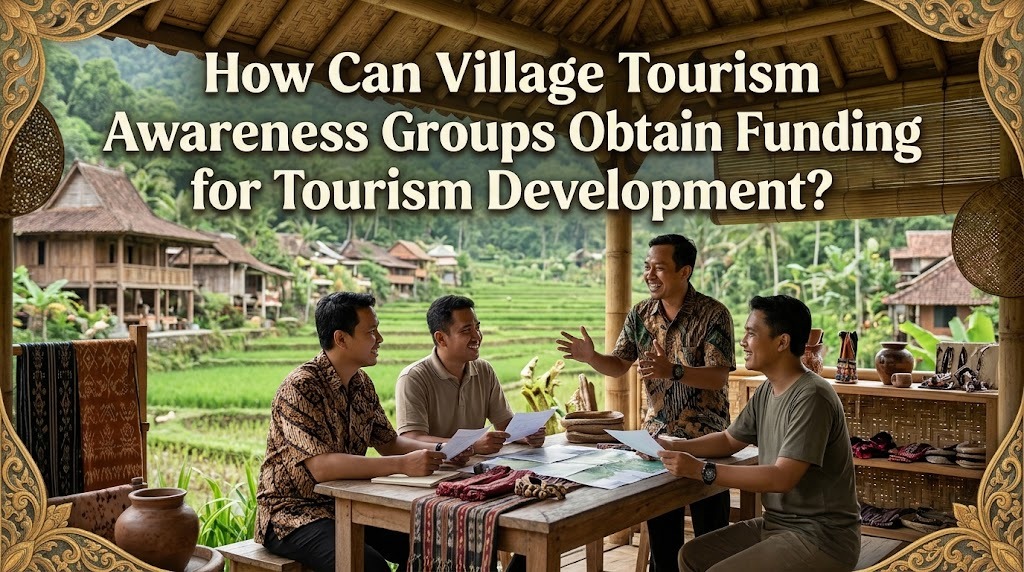
Funding is one of the most important factors in developing and managing village tourism destinations. Village Tourism Awareness Groups, commonly known as Pokdarwis in Indonesia, need financial resources to improve facilities, organize tourism activities, promote local attractions, and maintain destination quality. However, many groups face difficulties obtaining sufficient funding because they have limited financial resources and organizational capacity. To overcome these challenges, they need to understand the different funding opportunities available and develop effective financial management strategies. With proper planning and cooperation, village tourism awareness groups can obtain financial support to develop attractive and sustainable tourism destinations.
UNDERSTANDING THE IMPORTANCE OF FUNDING FOR VILLAGE TOURISM
Funding provides the financial foundation needed to carry out tourism development programs. Without sufficient financial resources, village tourism awareness groups may struggle to improve infrastructure, provide visitor facilities, or organize promotional activities. For example, developing a natural attraction may require parking facilities, information boards, public toilets, safety equipment, and walking paths. These improvements can increase visitor comfort and make the destination more attractive.
Funding is also necessary for developing human resources and improving tourism management skills. Groups may need financial support to organize hospitality training, guide certification programs, marketing workshops, and environmental education activities. In addition, regular operational expenses must be considered to ensure that tourism programs continue running effectively. Therefore, tourism development funding should be planned according to the actual needs and priorities of each village.
ACCESSING GOVERNMENT FUNDING AND DEVELOPMENT PROGRAMS
One potential source of funding comes from government institutions at the village, regional, and national levels. Village tourism awareness groups can coordinate with village governments to propose tourism development programs that align with village development priorities. Depending on applicable regulations and budget allocations, village governments may support infrastructure improvements, community training, promotional activities, and tourism-related facilities.
Groups can also explore assistance programs offered by regional tourism offices and other government institutions. These programs may provide financial support, equipment, technical guidance, or opportunities to participate in tourism development initiatives. To access such assistance, groups generally need to prepare clear proposals containing development objectives, activity plans, estimated costs, and expected benefits. Government assistance can become an important source of support when applications meet the relevant requirements and program priorities.
BUILDING PARTNERSHIPS WITH PRIVATE BUSINESSES
Private businesses can also become valuable partners in financing village tourism development. Companies operating in tourism, hospitality, transportation, food services, and other industries may be interested in supporting local destinations through cooperation programs. These partnerships can involve financial contributions, equipment donations, infrastructure support, or promotional collaboration. Businesses may also benefit from increased visibility and stronger relationships with local communities.
Village tourism awareness groups should identify potential partners whose business activities are relevant to their development goals. They can prepare partnership proposals that explain the destination's potential, proposed activities, expected outcomes, and mutual benefits. For example, a hotel company may support local guide training, while a transportation business may help improve access to a tourism attraction. Through private sector partnerships, villages can obtain additional resources without depending entirely on government budgets.
DEVELOPING COMMUNITY-BASED FUNDING AND LOCAL BUSINESS INCOME
Local communities can contribute to tourism development through voluntary financial support, collective business activities, and other forms of participation. Residents who believe in the potential of their village may be willing to contribute resources to improve shared tourism facilities. However, these contributions should be based on mutual agreement, transparency, and the financial capacity of community members. Participation should remain inclusive so that residents are not pressured to provide money beyond their means.
Tourism groups can also generate their own income by organizing tourism activities and developing local products or services. Revenue may come from guided tours, educational activities, cultural performances, parking services, merchandise, or other tourism-related businesses. Part of the income can be allocated to destination maintenance and future development according to agreed financial rules. Community-based funding encourages financial independence and strengthens residents' sense of ownership of local tourism activities.
PREPARING EFFECTIVE PROPOSALS AND FINANCIAL PLANS
A well-prepared proposal can improve the chances of receiving financial assistance from government institutions, businesses, and other potential partners. The proposal should explain the current condition of the destination, its tourism potential, the problems that need to be addressed, and the objectives of the proposed program. It should also include a realistic activity schedule, detailed budget estimates, and expected benefits for the community. Clear information helps potential funders understand why the program deserves support.
Financial planning is equally important because receiving funding does not automatically guarantee successful tourism development. Groups need to establish spending priorities, assign financial responsibilities, maintain transaction records, and prepare regular financial reports. Every expense should be supported by appropriate documentation to ensure accountability. Through transparent financial management, tourism groups can build trust, reduce the risk of misuse, and demonstrate their ability to manage financial assistance responsibly.
USING DIGITAL PLATFORMS AND CREATIVE FUNDRAISING STRATEGIES
Digital technology creates additional opportunities for village tourism awareness groups to introduce their development programs to wider audiences. Social media platforms can be used to share destination information, promote tourism activities, and explain projects that need financial support. Attractive photographs, informative videos, and clear campaign messages can help potential supporters understand the purpose of a project. These platforms can also connect tourism groups with individuals and organizations interested in supporting local development.
Another option is organizing fundraising events and community-based campaigns. Groups can hold cultural festivals, charity events, local product exhibitions, or special tourism activities to collect additional resources. They may also explore crowdfunding platforms when the proposed project meets the platform's requirements and applicable regulations. Every fundraising activity should explain how contributions will be used and provide updates about project progress. With digital promotion and creative fundraising, village tourism awareness groups can expand their funding opportunities and reach more potential supporters.
CONCLUSION
Village tourism awareness groups can obtain funding through various sources, including government assistance, private business partnerships, community contributions, tourism business income, and creative fundraising activities. However, obtaining financial support requires clear development plans, realistic proposals, strong cooperation, and transparent financial management. Groups should also prioritize projects according to community needs and the long-term sustainability of their destinations. By combining different funding sources and managing resources responsibly, village tourism awareness groups can develop local attractions while creating wider economic and social benefits for their communities.
Recent Posts

Bagaimana Sistem SKS pada Program Kuliah... 22.11.2026/37 View

How Does Technology Make Daily Evaluation... 21.11.2026/70 View

Apa Strategi Menghadapi Kesenjangan antara Kompetensi... 21.11.2026/73 View

Mengapa Inventaris Aset Penting bagi Kelancaran... 21.11.2026/68 View

When Should Musicians Join a Record... 21.11.2026/71 View
