

How Can Village Tourism Groups Preserve Local Culture and Traditional Heritage?
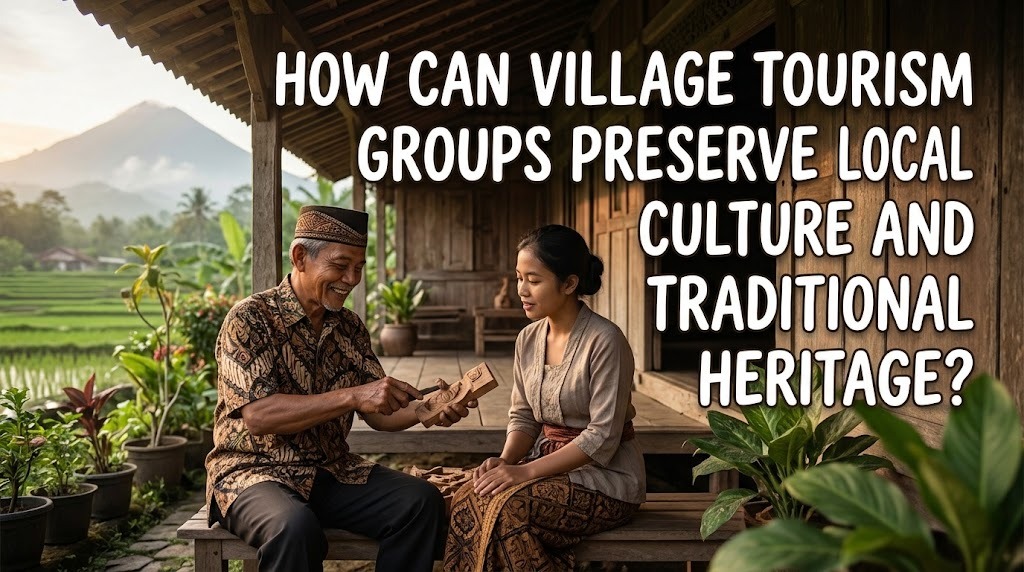
Local culture and traditional heritage are important parts of a village's identity. Every community has unique traditions, customs, traditional dances, music, handicrafts, culinary practices, historical places, and cultural values that have been passed down through generations. These cultural resources can become valuable tourism attractions while helping communities maintain their identity. However, modernization and changing lifestyles may cause some traditional practices to become less familiar to younger generations. Village Tourism Awareness Groups, commonly known as Pokdarwis in Indonesia, can play an important role in protecting cultural heritage through tourism activities, community participation, and sustainable cultural programs.
IDENTIFYING AND DOCUMENTING LOCAL CULTURAL HERITAGE
The first step in preserving local culture is identifying the traditions and historical resources that represent the village's identity. Village Tourism Groups can work with traditional leaders, elderly residents, cultural practitioners, and historians to collect information about local customs, ceremonies, traditional arts, and historical sites. This process helps communities understand which cultural elements need protection and how they can be introduced to visitors. Documentation can include photographs, videos, written records, and interviews with people who understand local traditions. These materials become valuable references for future generations.
Furthermore, documenting cultural heritage helps prevent traditional knowledge from disappearing over time. Tourism groups can create simple archives containing information about traditional clothing, local languages, traditional food, music, dances, and historical events. They can also record stories and experiences from elderly community members who have valuable cultural knowledge. These activities should be conducted with respect for local customs and the wishes of cultural knowledge holders. Through proper documentation, communities can maintain their cultural history while introducing it to a wider audience.
ORGANIZING CULTURAL PERFORMANCES AND TRADITIONAL FESTIVALS
Cultural performances and traditional festivals provide opportunities to introduce local heritage to visitors. Village Tourism Groups can organize traditional dances, music performances, cultural ceremonies, art exhibitions, and local celebrations as part of tourism programs. These activities allow tourists to experience the village's cultural identity directly rather than simply learning about it through written information. They can also create additional income opportunities for local artists, performers, and cultural practitioners. Regular cultural activities help maintain public interest in traditional arts.
However, cultural performances should not change the original meaning of traditions simply to entertain tourists. Tourism groups need to consult cultural leaders and community members before presenting traditional activities to visitors. Certain ceremonies may have sacred or private meanings and should not automatically become tourism attractions. Respecting cultural boundaries is essential for protecting the authenticity of local heritage. By organizing appropriate cultural activities, tourism groups can introduce traditions while maintaining their original values and significance.
INVOLVING YOUNGER GENERATIONS IN CULTURAL PRESERVATION
Younger generations play an important role in ensuring that local traditions continue to exist in the future. Village Tourism Groups can involve children, teenagers, and young adults in cultural activities such as traditional dance classes, music lessons, handicraft workshops, and local language programs. These activities help young people understand the meaning and importance of their cultural heritage. They also provide opportunities to develop practical skills that may become useful in cultural and tourism activities. Direct involvement makes cultural preservation more meaningful than simply introducing traditions through theoretical explanations.
In addition, older residents can become mentors who share their knowledge and experiences with younger community members. This interaction creates opportunities for cultural knowledge to be transferred between generations. Schools, youth organizations, and local cultural communities can also participate in preservation programs. Young people can use their creativity to introduce traditional culture through photography, videos, exhibitions, and digital storytelling. By combining traditional knowledge with modern communication methods, communities can make cultural heritage more interesting and relevant to younger audiences.
DEVELOPING CULTURAL TOURISM ACTIVITIES AND LOCAL PRODUCTS
Cultural heritage can become an important part of tourism development when it is presented through meaningful activities and local products. Village Tourism Groups can develop traditional cooking classes, handicraft workshops, cultural tours, and demonstrations of traditional community activities. Visitors can learn how local products are made, understand traditional customs, and experience aspects of village life. These activities provide educational experiences while helping communities introduce their cultural identity. They can also create additional opportunities for residents to earn income.
Local products such as traditional food, woven materials, handmade crafts, and regional souvenirs can also support cultural preservation. Tourism groups can cooperate with local artisans and small businesses to improve product quality and introduce traditional designs to visitors. Packaging and promotion can include information about the history and cultural meaning behind each product. This approach helps visitors appreciate the value of local craftsmanship rather than viewing products only as souvenirs. By connecting cultural heritage with responsible economic activities, villages can support both cultural preservation and community welfare.
COOPERATING WITH CULTURAL COMMUNITIES AND GOVERNMENT INSTITUTIONS
Preserving traditional heritage requires cooperation among different stakeholders. Village Tourism Groups can work with traditional leaders, cultural organizations, village governments, schools, and regional tourism offices to develop preservation programs. Each stakeholder can contribute different resources, knowledge, and experience. For example, cultural practitioners can provide information about traditional arts, while educational institutions can support research and documentation. Government institutions may also provide assistance through cultural programs, training, and preservation initiatives.
Strong cooperation can help ensure that cultural preservation activities receive continuous support. Tourism groups can organize regular discussions to establish priorities, prepare cultural events, and identify traditions that need special attention. They can also seek opportunities to participate in cultural exhibitions and regional festivals. Partnerships with museums and cultural institutions may provide additional opportunities to document and introduce local heritage. Through coordinated efforts, communities can protect their cultural resources more effectively and create stronger tourism attractions.
APPLYING SUSTAINABLE AND RESPONSIBLE CULTURAL TOURISM MANAGEMENT
Cultural tourism should be managed carefully to ensure that tourism activities do not damage traditional heritage or weaken community values. Village Tourism Groups need to establish guidelines for visitors regarding appropriate behavior, photography, participation in ceremonies, and respect for local customs. They should also ensure that tourism activities do not exploit cultural practices or create pressure on traditional communities. Cultural preservation must remain an important priority even when tourism demand increases. Responsible management helps maintain a healthy relationship between visitors and local residents.
Furthermore, tourism groups should regularly evaluate the effects of tourism activities on cultural traditions and community life. They can collect feedback from residents, cultural practitioners, and visitors to understand whether preservation programs are producing positive results. If certain activities negatively affect local traditions, the group should make appropriate adjustments. Tourism income can also support cultural education, traditional art programs, and the maintenance of historical sites. By applying sustainable management, village tourism can contribute to cultural preservation while providing long-term benefits for future generations.
CONCLUSION
Village Tourism Groups can preserve local culture and traditional heritage through documentation, cultural performances, youth involvement, cultural tourism activities, and cooperation with various stakeholders. They can also support local artisans and traditional businesses by introducing cultural products to visitors. However, cultural preservation must always respect the original meaning of traditions and the values of the community. Tourism activities should be managed responsibly so that cultural heritage is protected rather than exploited. With active community participation and sustainable programs, Village Tourism Groups can maintain local identity while introducing traditional heritage to wider audiences and future generations.
Recent Posts

Bagaimana Sistem SKS pada Program Kuliah... 22.11.2026/37 View

How Does Technology Make Daily Evaluation... 21.11.2026/70 View

Apa Strategi Menghadapi Kesenjangan antara Kompetensi... 21.11.2026/73 View

Mengapa Inventaris Aset Penting bagi Kelancaran... 21.11.2026/68 View

When Should Musicians Join a Record... 21.11.2026/71 View
