

How Can Village Tourism Groups Promote Local Destinations Through Social Media?
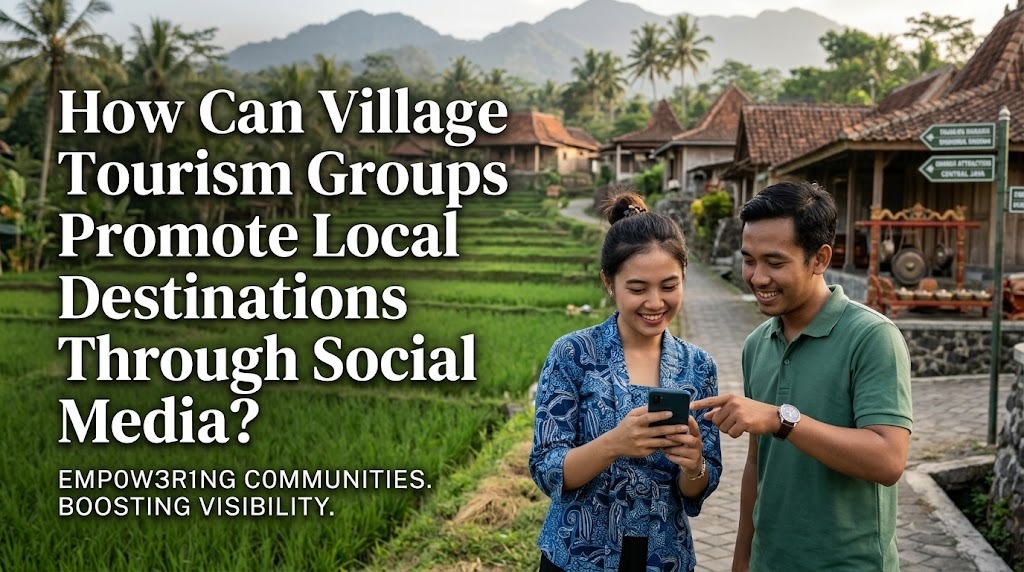
Social media has become one of the most effective tools for promoting tourism destinations in the digital era. People increasingly use platforms such as Instagram, TikTok, Facebook, and YouTube to discover interesting places, find travel recommendations, and plan their holidays. This development creates valuable opportunities for villages to introduce their natural attractions, cultural traditions, and local products to a wider audience. Village Tourism Awareness Groups, commonly known as Pokdarwis in Indonesia, can use social media to increase destination visibility and attract potential visitors. With creative content, consistent communication, and proper planning, social media promotion can help village tourism destinations become more recognizable and competitive.
CREATING ATTRACTIVE PHOTOS AND VIDEOS OF LOCAL ATTRACTIONS
One of the most effective ways to promote village tourism through social media is by publishing attractive photographs and videos. Visual content allows potential visitors to see the beauty and uniqueness of a destination before deciding to visit. Village Tourism Groups can showcase natural landscapes, traditional villages, cultural performances, local culinary products, and interesting tourist activities. High-quality content does not always require expensive cameras because smartphones can also produce appealing images when used properly. The most important thing is presenting the destination clearly and highlighting its unique characteristics.
In addition, tourism groups should create different types of visual content to maintain audience interest. Short videos can show travel activities, destination conditions, and interactions between visitors and local residents. Photographs can highlight beautiful scenery, traditional architecture, and local products. Content should also provide useful information rather than focusing entirely on visual appearance. By publishing interesting and informative materials, tourism groups can encourage people to learn more about the destination and consider visiting it.
CHOOSING THE RIGHT SOCIAL MEDIA PLATFORMS
Every social media platform has different characteristics and audiences. Therefore, Village Tourism Awareness Groups should select platforms that match their promotional objectives and the types of visitors they want to reach. Instagram is useful for sharing attractive photographs, short videos, and visual stories about tourism destinations. TikTok can help introduce local attractions through creative short videos that have the potential to reach a large audience. Facebook is useful for sharing detailed information, event announcements, and communicating with local tourism communities.
Meanwhile, YouTube can be used to publish longer videos, destination introductions, travel experiences, and cultural documentaries. Tourism groups do not need to use every platform simultaneously if their available resources are limited. They can begin with one or two platforms and manage them consistently before expanding to others. Understanding the strengths of each platform helps groups create more effective promotional strategies. Choosing suitable platforms also makes it easier to manage content and communicate with potential visitors.
PROVIDING CLEAR AND USEFUL TOURISM INFORMATION
Attractive promotional content should be supported by accurate information about the destination. Potential visitors usually want to know important details before traveling, including location, entrance fees, operating hours, transportation access, facilities, and available activities. Village Tourism Groups should include this information in their social media posts, profiles, or promotional videos. Clear descriptions help visitors understand what they can expect and reduce confusion when planning their trips. Providing accurate information also creates a more professional impression of the destination.
Furthermore, tourism groups should regularly update their social media accounts whenever there are changes to facilities, prices, schedules, or tourism activities. They should provide contact information so visitors can ask questions and obtain additional assistance. Responding to comments and direct messages politely is also important for building trust. Incorrect or outdated information can discourage potential visitors and damage the destination's reputation. Consistent communication helps create a positive relationship between tourism groups and their online audiences.
COLLABORATING WITH CONTENT CREATORS AND TRAVEL INFLUENCERS
Working with content creators and travel influencers can help village tourism destinations reach audiences beyond their existing followers. These individuals often have established communities that follow their travel recommendations and experiences. Village Tourism Groups can invite suitable creators to visit local destinations, participate in tourism activities, and share their experiences through social media. Their content can introduce attractions from a visitor's perspective, making promotional information more relatable and engaging. This collaboration can increase public awareness and encourage people to discover new destinations.
However, tourism groups should select content creators carefully. They should consider audience relevance, content quality, engagement, and the creator's reputation rather than focusing only on follower numbers. Local creators can also become valuable promotional partners because they may understand the area's culture and tourism potential. Collaboration agreements should establish clear expectations regarding content, schedules, and promotional activities. With appropriate partnerships, tourism groups can expand their reach while presenting authentic information about their destinations.
ENCOURAGING VISITORS TO SHARE THEIR EXPERIENCES ONLINE
Visitors can become valuable promoters of village tourism destinations when they share their travel experiences on social media. Photographs, videos, reviews, and recommendations created by tourists can introduce attractions to people who have never visited the area. Village Tourism Groups can encourage this activity by providing attractive photography locations, memorable tourism experiences, and comfortable facilities. They can also create destination hashtags that visitors can use when uploading their content. These simple activities help increase the amount of online information available about the destination.
In addition, tourism groups can organize creative campaigns, photography competitions, or visitor storytelling activities. They may invite tourists to share their favorite moments and tag the official tourism account. Positive reviews and authentic experiences can strengthen the destination's reputation because potential visitors often consider recommendations from other tourists. However, tourism groups should not force visitors to publish promotional content or provide misleading incentives. Encouraging genuine experiences is more effective for building long-term trust and online credibility.
EVALUATING SOCIAL MEDIA PERFORMANCE AND IMPROVING PROMOTIONAL STRATEGIES
Promoting tourism through social media requires regular evaluation to understand whether the activities are producing meaningful results. Village Tourism Groups can monitor several indicators, including follower growth, content reach, video views, comments, shares, and audience engagement. These measurements help identify which types of content attract the most attention. Groups can also examine whether online interactions lead to inquiries, reservations, or actual visits to the destination. This information provides a useful foundation for improving future promotional activities.
Furthermore, tourism groups should use evaluation results to adjust their content and communication strategies. If short videos receive more attention than photographs, they can create more video-based promotional materials. If visitors frequently ask about transportation or entrance fees, those details should be included more clearly in future posts. Members should also maintain a regular publishing schedule to keep their accounts active. By evaluating performance and responding to audience needs, Village Tourism Groups can develop more effective digital marketing strategies and promote their destinations consistently.
CONCLUSION
Village Tourism Groups can promote local destinations through social media by creating attractive visual content, choosing suitable platforms, providing accurate tourism information, and collaborating with content creators. Encouraging visitors to share their experiences can also increase destination visibility and strengthen public trust. However, successful digital promotion requires consistent communication, creative planning, and regular performance evaluation. Social media should also reflect the actual conditions and quality of the destination to avoid misleading potential visitors. With effective digital marketing and active community participation, village tourism destinations can reach wider audiences, attract more visitors, and create sustainable economic opportunities for local communities.
Recent Posts

Bagaimana Sistem SKS pada Program Kuliah... 22.11.2026/37 View

How Does Technology Make Daily Evaluation... 21.11.2026/70 View

Apa Strategi Menghadapi Kesenjangan antara Kompetensi... 21.11.2026/73 View

Mengapa Inventaris Aset Penting bagi Kelancaran... 21.11.2026/68 View

When Should Musicians Join a Record... 21.11.2026/71 View
