

How Can Vocational Curriculum Drive Entrepreneurship Among Young Graduates?
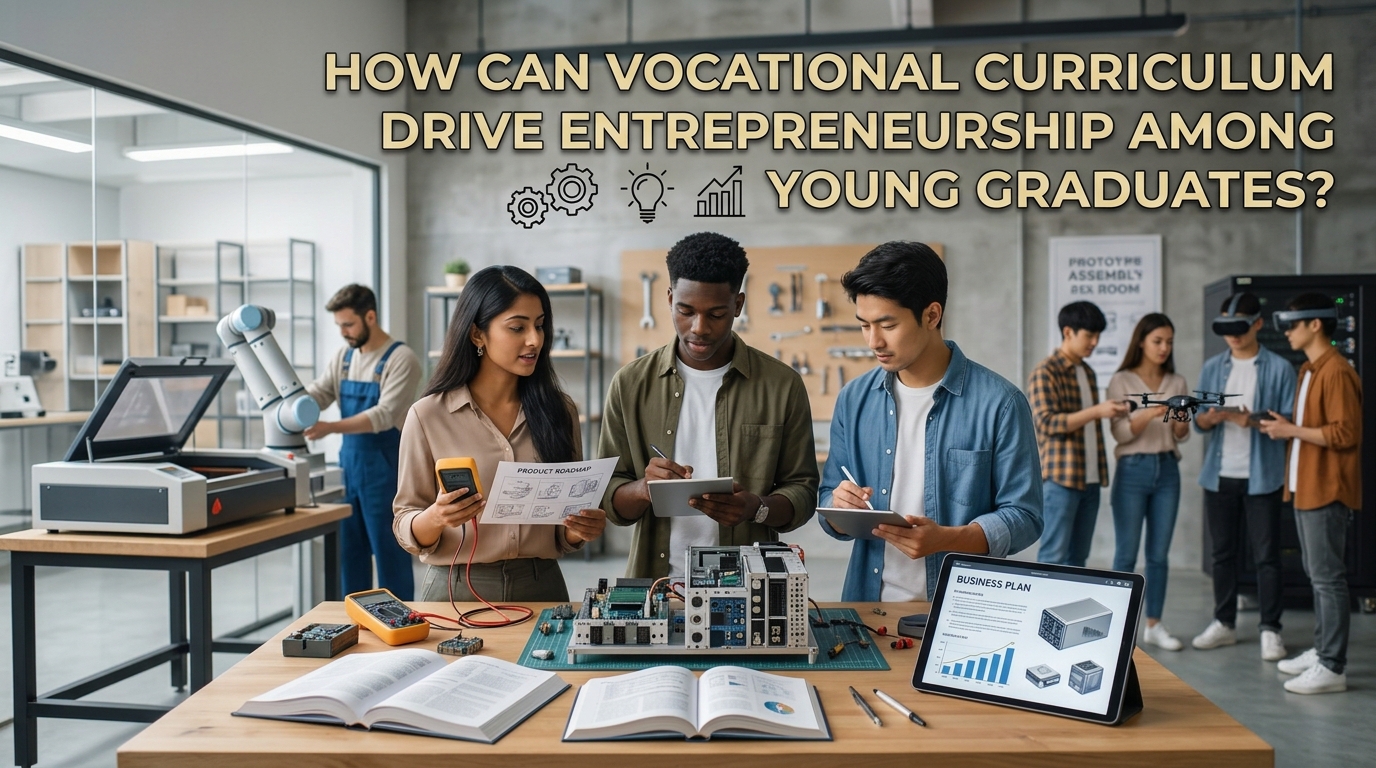
Equipping young individuals with practical knowledge and technical expertise is essential for fostering economic growth and innovation. Many educational institutions are exploring how a modern vocational curriculum can effectively spark entrepreneurship among young graduates. Rather than training students solely for traditional employment, vocational programs can inspire learners to build their own business ventures. Integrating practical skills, financial literacy, and problem-solving into daily coursework allows students to transform technical capabilities into viable commercial enterprises. This article explores how a well-designed vocational framework empowers young entrepreneurs to innovate, create jobs, and achieve long-term financial independence.
INTEGRATING APPLIED BUSINESS MANAGEMENT AND FINANCIAL LITERACY
A successful vocational framework must combine technical training with foundational business skills to help students commercialize their trade expertise. Educational programs should include practical modules covering business planning, budgeting, cash flow management, and market analysis. Learning how to manage operational costs and price technical services ensures that young creators can run profitable enterprises
Understanding financial principles prevents start-up failures and builds confidence among aspiring business owners. Vocational institutions can also host interactive workshops on tax compliance, legal registration, and securing seed capital. Equipping learners with business management capabilities transforms skilled craftspeople into capable business managers who can successfully navigate competitive market dynamics.
FOSTERING INNOVATION THROUGH PROJECT-BASED LEARNING METHODOLOGIES
Hands-on training through project-based learning encourages students to develop innovative products and services that address real-world consumer needs. Working on authentic challenges teaches learners how to prototype ideas, conduct product testing, and refine design features based on user feedback. This iterative process sharpens critical thinking and nurtures an entrepreneurial mindset early in an academic journey
Simulating business environments in workshops allows students to test commercial concepts in low-risk settings. Faculty members can act as mentors, offering constructive feedback on product quality, production efficiency, and value propositions. Developing physical prototypes or digital solutions builds creative confidence and prepares students to launch competitive products in real markets.
BUILDING STRATEGIC INDUSTRY PARTNERSHIPS AND INCUBATION HUBS
Forming a strong industry partnership is vital for providing young entrepreneurs with mentorship, networking opportunities, and access to capital. Vocational schools can establish campus business incubators where students receive guidance from experienced business leaders and industry experts. Corporate partners can offer technical advice, sponsor prototype development, and connect student founders with potential investors.
Exposing young founders to real market networks accelerates business growth and reduces early-stage operational risks. Collaborative incubators also provide shared workspace, specialized machinery, and testing equipment that young entrepreneurs could not otherwise afford. These collaborative hubs bridge the gap between academic creation and commercial market entry, boosting overall enterprise survival rates.
VALIDATING TECHNICAL EXPERTISE WITH COMPETENCY CERTIFICATION
Earning a recognized competency certification provides young entrepreneurs with instant credibility when pitching services to potential clients or investors. Official credentials verify that a founder possesses tested technical skills that comply with strict industry safety and quality standards. Having certified expertise distinguishes new start-ups from unverified competitors in crowded service markets.
Holding industry-backed credentials also reassures financial institutions when young founders apply for business loans or development grants. Official validation proves that a business founder has mastered the core operational skills required to deliver quality results consistently. Integrating certification into vocational tracks gives young business owners a distinct competitive advantage during early market entry.
NURTURING RESILIENCE AND LIFELONG LEARNING MINDSETS
Building a successful business venture requires high adaptability, emotional resilience, and a continuous desire to learn new market trends. Vocational programs must instill a lifelong learning attitude that encourages young founders to adapt as technologies and consumer preferences evolve. Teaching entrepreneurs how to analyze market shifts and pivot business models protects start-ups from premature market failure.
Encouraging self-directed learning helps technical entrepreneurs stay ahead of digital transformation, automation, and changing consumer behaviors. Young business leaders learn to view operational setbacks as valuable learning opportunities rather than permanent failures. Fostering this resilient mindset ensures that young vocational graduates sustain long-term business growth and drive continuous economic development.
CONCLUSION
A modern vocational curriculum can successfully drive entrepreneurship among young graduates by blending business management, project-based learning, strong industry partnership networks, and recognized competency certification. By cultivating lifelong learning habits alongside specialized technical skills, vocational education empowers young creators to build sustainable enterprises, generate employment, and lead economic innovation.
Recent Posts

Bagaimana Sistem SKS pada Program Kuliah... 22.11.2026/54 View

How Does Technology Make Daily Evaluation... 21.11.2026/83 View

Apa Strategi Menghadapi Kesenjangan antara Kompetensi... 21.11.2026/82 View

Mengapa Inventaris Aset Penting bagi Kelancaran... 21.11.2026/78 View

When Should Musicians Join a Record... 21.11.2026/84 View
