

How Can Vote Buying Undermine Fairness in Democratic Elections?
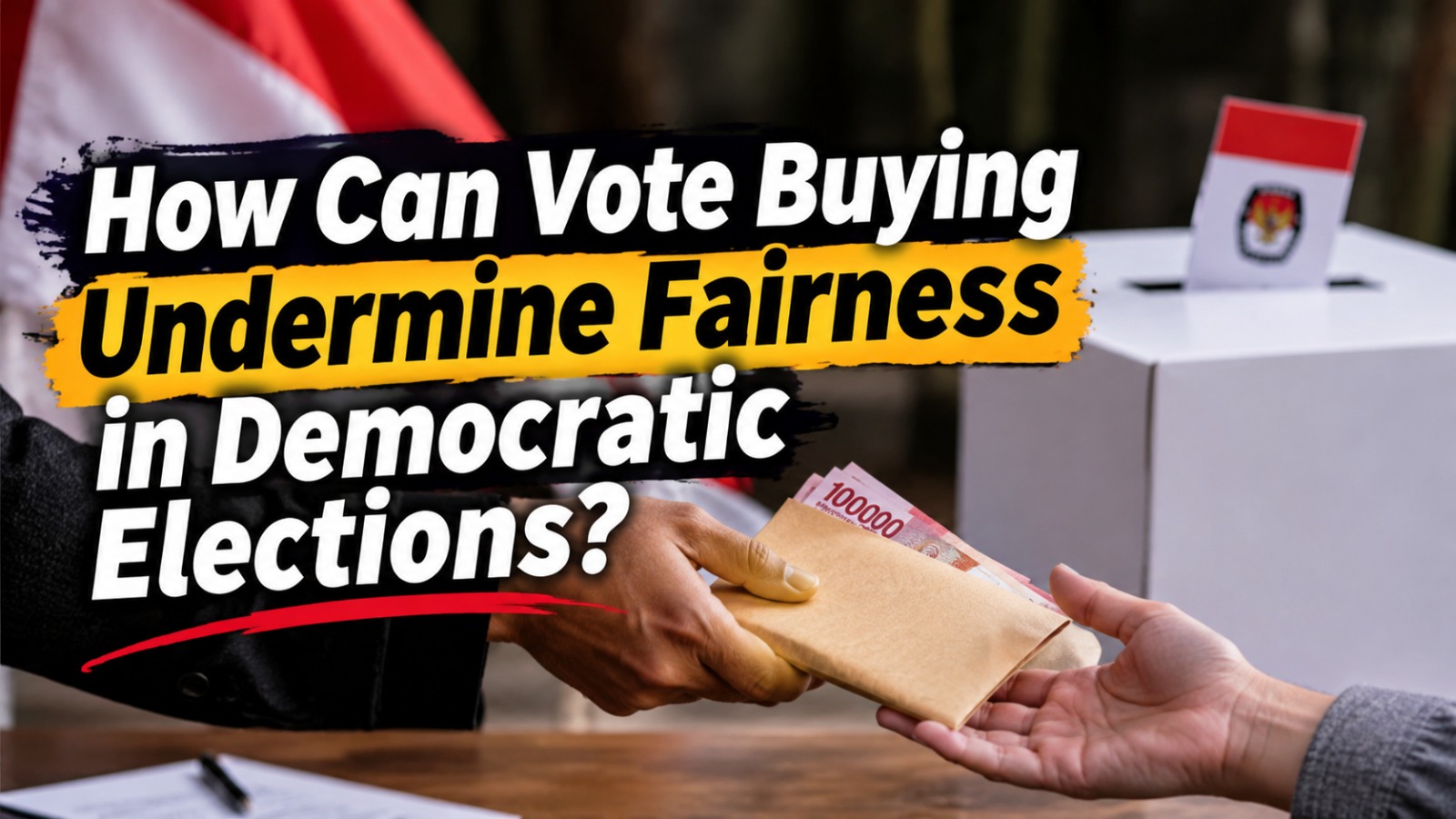
Vote buying is one of the major challenges that can threaten fairness and integrity in democratic elections. Elections are designed to give every citizen an equal opportunity to choose political leaders based on their abilities, policies, and commitment to public welfare. However, this principle can be damaged when candidates or political groups offer money, gifts, or other benefits in exchange for votes. Such practices can influence voter decisions and create unfair advantages for candidates with greater financial resources. Vote buying also weakens public confidence in electoral institutions and reduces the quality of democratic participation. Therefore, understanding how vote buying undermines election fairness is important for protecting citizens' political rights and maintaining a healthy democracy.
UNDERSTANDING VOTE BUYING IN DEMOCRATIC ELECTIONS
Vote buying is the practice of offering money, goods, services, or other benefits to persuade voters to support a particular candidate or political party. This activity commonly occurs during election campaigns, when candidates attempt to increase their political support through financial incentives rather than presenting strong programs and policies. The benefits may include cash payments, food packages, household goods, transportation assistance, or promises of personal advantages. In some situations, campaign representatives distribute these benefits directly, while others use community leaders or intermediaries to influence voters.
Vote buying is considered harmful because it changes the purpose of elections from evaluating political leadership to exchanging votes for material rewards. Citizens should have the freedom to choose candidates based on their own judgment without financial pressure or manipulation. When money becomes an important factor in determining voter preferences, electoral integrity can be weakened. This practice also creates opportunities for candidates to gain political power through unfair methods instead of demonstrating their qualifications and public commitments.
HOW VOTE BUYING CREATES UNFAIR COMPETITION BETWEEN CANDIDATES
One major consequence of vote buying is the creation of unequal competition between political candidates. Candidates with significant financial resources may have greater opportunities to distribute money and valuable goods to potential voters. Meanwhile, candidates who rely on public programs, leadership experience, and policy ideas may struggle to compete against campaigns supported by large financial incentives. This situation makes elections less dependent on political qualifications and more influenced by economic power.
Vote buying can also reduce the importance of campaign transparency and fair political competition. Instead of explaining their plans for education, healthcare, infrastructure, and economic development, candidates may focus on providing immediate material benefits. This behavior can discourage meaningful political discussions and prevent voters from comparing candidates based on their actual capabilities. As a result, election outcomes may reflect financial influence rather than the genuine preferences of citizens.
THE IMPACT OF VOTE BUYING ON VOTER FREEDOM AND DEMOCRATIC VALUES
Vote buying can threaten voter freedom by influencing decisions that should be made independently. Although voters have the right to accept or reject political offers, financial pressure may affect individuals who experience economic difficulties. Some people may feel encouraged to support a candidate because of immediate assistance rather than evaluating long-term policies. In certain situations, voters may also experience pressure from campaign representatives or community groups to demonstrate loyalty to a particular political figure.
Furthermore, vote buying weakens important democratic values such as equality, accountability, and political participation. Every citizen should have an equal opportunity to influence election results, regardless of their economic background. However, when votes become associated with financial rewards, wealthy political groups may gain disproportionate influence over the electoral process. This condition can reduce public confidence in election results and create the impression that political power belongs to those who can spend the most money. Over time, democratic participation may decline because citizens begin to believe that their political choices have little influence compared with financial interests.
STRATEGIES TO PREVENT VOTE BUYING AND PROTECT ELECTION FAIRNESS
Preventing vote buying requires cooperation between election authorities, governments, political parties, civil society organizations, and citizens. Election supervisory institutions must monitor campaign activities, investigate suspected violations, and apply election regulations consistently. Political parties should also establish internal rules that prohibit financial manipulation and encourage candidates to compete through responsible programs. In addition, transparent campaign financing can help prevent the misuse of money and make political activities easier to monitor.
Citizens also play an important role in protecting fair elections. Voters should reject offers that attempt to exchange money or gifts for political support and report suspected violations through official channels. Political education can help communities understand their voting rights and recognize the negative consequences of vote buying. Journalists and independent election observers can also contribute by monitoring campaign activities and providing accurate information to the public. Through stronger supervision, public awareness, and responsible political competition, elections can become more transparent and reflect the genuine choices of citizens.
CONCLUSION
Vote buying undermines fairness in democratic elections by creating unequal competition, influencing voter decisions, and weakening the independence of citizens. This practice allows financial resources to become an unfair political advantage and reduces the importance of leadership quality, public programs, and accountability. It can also damage democratic values and decrease public confidence in election results. Preventing vote buying requires effective election supervision, transparent campaign financing, political education, and active citizen participation. By rejecting financial manipulation and choosing candidates based on their qualifications and policies, citizens can help protect electoral integrity and strengthen democracy.
Recent Posts

How Does Technology Make Daily Evaluation... 21.11.2026/58 View

Apa Strategi Menghadapi Kesenjangan antara Kompetensi... 21.11.2026/60 View

Mengapa Inventaris Aset Penting bagi Kelancaran... 21.11.2026/56 View

When Should Musicians Join a Record... 21.11.2026/55 View

Daily Evaluation or Daily Planning Which... 21.11.2026/63 View
