

How Can We Preserve Cultural Heritage in the Modern Era?
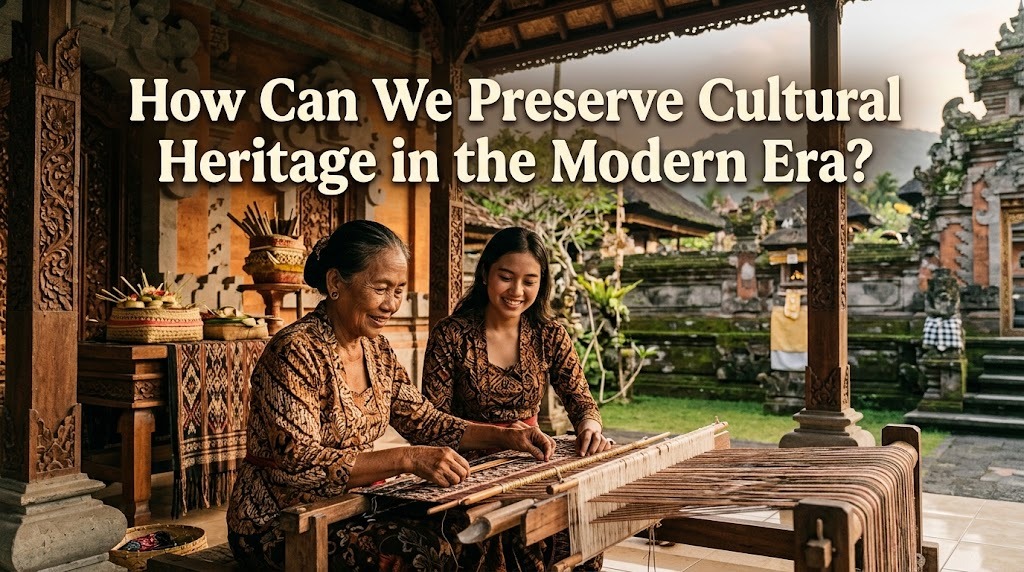
Cultural heritage is an important part of human history and identity. It includes traditional arts, languages, historical buildings, local customs, traditional clothing, and knowledge passed down from one generation to another. However, globalization, technological development, urbanization, and changing lifestyles can make it difficult to maintain these traditions. Many young people are becoming less familiar with their local cultures because they are more exposed to modern entertainment and global trends. Therefore, preserving cultural heritage in the modern era requires cooperation between individuals, families, communities, educational institutions, and governments. By combining traditional values with modern technology, cultural heritage can remain relevant and meaningful for future generations.
UNDERSTANDING THE IMPORTANCE OF CULTURAL HERITAGE
Cultural heritage represents the history, values, beliefs, and identity of a community. It helps people understand their origins and recognize the experiences of previous generations. Traditional dances, folk songs, historical monuments, and local languages are examples of cultural heritage that reflect the uniqueness of different societies. Preserving these traditions also strengthens social connections and encourages respect for cultural diversity. Without proper protection, valuable traditions and historical knowledge may disappear over time.
Cultural heritage can also provide economic and educational benefits. Historical sites and traditional cultural events can attract tourists, create employment opportunities, and support local businesses. In education, cultural heritage helps students learn about history through real examples from their communities. It also encourages younger generations to appreciate the knowledge and creativity of their ancestors. For these reasons, cultural preservation should be considered an important investment in the future rather than simply an effort to remember the past.
USING DIGITAL TECHNOLOGY TO PRESERVE CULTURAL HERITAGE
Digital technology provides new opportunities to document and protect cultural heritage. Historical photographs, traditional music, local stories, ancient manuscripts, and cultural performances can be recorded and stored digitally. Museums and cultural organizations can create online archives that allow people to access historical information from different locations. Websites, social media platforms, and educational videos can also introduce traditional culture to younger audiences. These methods help make cultural knowledge easier to share and preserve.
However, digital preservation must be carried out carefully. Important records should be stored securely, backed up, and updated when necessary to prevent data loss. Cultural communities should also have a say in how their traditions, sacred knowledge, and personal stories are recorded and shared. Technology should support the protection of cultural heritage rather than replace direct participation in traditional activities. By combining digital documentation with real cultural experiences, communities can make preservation more effective and sustainable.
INVOLVING YOUNG PEOPLE IN CULTURAL PRESERVATION
Young people play an essential role in keeping cultural heritage alive. They can learn traditional dances, musical instruments, handicrafts, local languages, and customary practices from older generations. Schools and universities can organize cultural festivals, traditional art workshops, historical visits, and community projects to introduce students to their heritage. These activities allow young people to experience cultural traditions directly instead of learning about them only through books. They can also develop a stronger sense of identity and responsibility toward their communities.
Social media offers another way for young people to promote cultural heritage. They can create videos about traditional food, regional clothing, historical landmarks, and local celebrations. Creative digital content can attract public attention and encourage people from different backgrounds to learn about unfamiliar traditions. Nevertheless, young creators should present cultural information accurately and respect the meaning of the practices they share. When young people combine creativity with cultural understanding, they can help traditional heritage remain relevant in modern society.
PROTECTING HISTORICAL BUILDINGS AND CULTURAL SITES
Historical buildings, temples, monuments, and archaeological sites provide valuable evidence of the past. They help people understand earlier civilizations, architectural techniques, religious traditions, and important historical events. Unfortunately, many cultural sites face threats from pollution, natural disasters, uncontrolled tourism, neglect, and rapid urban development. Protecting these places requires proper maintenance, professional conservation, and clear regulations. Governments and local communities must work together to ensure that historical sites are not damaged or destroyed.
Conservation should follow appropriate professional standards so that repairs do not remove the original character of a building or monument. Experts need to study the materials, structure, and historical significance of each site before restoration begins. Local residents can support preservation by keeping surrounding areas clean, reporting damage, and following visitor guidelines. Tourism should also be managed carefully to prevent overcrowding and physical deterioration. With consistent protection and responsible management, historical sites can remain valuable educational and cultural resources for future generations.
PRESERVING TRADITIONAL LANGUAGES AND LOCAL KNOWLEDGE
Traditional languages are important because they carry the history, expressions, stories, and knowledge of their speakers. When a language disappears, unique ways of understanding the world may also be lost. Families can help preserve local languages by using them in daily conversations, telling traditional stories, and teaching children familiar expressions. Schools and community organizations can support these efforts through language classes, cultural publications, and storytelling activities. Recording conversations with fluent speakers can also help document languages that are becoming less widely used.
Local knowledge deserves similar attention. Traditional farming methods, medicinal knowledge, weaving techniques, and customary environmental practices may contain valuable information developed over many generations. Communities can organize workshops where experienced practitioners teach these skills to younger people. Researchers and cultural institutions can assist with documentation while respecting community ownership and cultural rights. Any traditional knowledge involving health or medicine should also be evaluated carefully before being used as medical advice. By protecting both languages and local knowledge, societies can maintain important cultural resources while allowing them to develop responsibly.
SUPPORTING CULTURAL COMMUNITIES AND TRADITIONAL ARTISTS
Cultural heritage cannot survive through documentation alone because many traditions depend on people who practice them. Traditional artists, musicians, craftspeople, performers, and cultural leaders need opportunities to continue their work. Communities can support them by purchasing authentic handmade products, attending cultural performances, and participating in local festivals. These activities provide income and encourage practitioners to pass their skills on to younger generations. Fair compensation is particularly important when traditional art requires years of training and specialized knowledge.
Governments and cultural organizations can also provide grants, training, exhibition spaces, and business support for traditional practitioners. Local festivals and cultural centers can create opportunities for artists to introduce their work to wider audiences. Partnerships between traditional artisans and modern designers may help develop new products while respecting the original techniques and cultural meanings. However, commercialization should not exploit cultural symbols or exclude the communities that created them. Sustainable cultural programs should ensure that the benefits of preservation reach the people who maintain these traditions.
COMBINING TRADITIONAL CULTURE WITH MODERN LIFESTYLES
Preserving cultural heritage does not mean rejecting modern lifestyles or preventing cultural development. Traditions can remain meaningful when they adapt to changing circumstances without losing their essential values. For example, traditional patterns can inspire contemporary clothing, regional recipes can be introduced through modern cooking content, and folk music can reach new audiences through digital platforms. Museums can also use interactive displays to make historical information more engaging. These approaches help connect cultural heritage with the interests and experiences of modern audiences.
However, adaptation requires sensitivity and understanding. Not every cultural practice should be changed simply to attract attention or generate profit. Communities should be involved in decisions about how their traditions are presented, modified, or commercialized. Some practices may also need to evolve to respect human rights, safety, and changing social conditions. The goal is to maintain cultural meaning while allowing appropriate innovation. When tradition and modernity work together, cultural heritage can continue to grow without losing its connection to history and community identity.
THE ROLE OF GOVERNMENTS AND EDUCATIONAL INSTITUTIONS
Governments have an important responsibility to protect cultural heritage through laws, funding, research, and public programs. They can identify historically significant sites, establish conservation standards, support endangered languages, and protect traditional cultural expressions. Cooperation with local communities is essential because residents often possess detailed knowledge about the history and meaning of their heritage. Governments can also collaborate with museums, universities, and cultural organizations to improve preservation methods. Effective policies should provide long-term support rather than focusing only on occasional cultural celebrations.
Educational institutions can strengthen these efforts by including local history and cultural knowledge in learning activities. Students can study traditional architecture, regional literature, historical events, and the development of local customs. Schools can invite cultural practitioners to demonstrate their skills and explain the meaning behind traditional practices. Universities can contribute through research, documentation, and conservation projects. When education and government policies support community participation, cultural preservation becomes a shared responsibility rather than the task of a few organizations.
CONCLUSION
Preserving cultural heritage in the modern era requires consistent effort, public awareness, and cooperation across generations. Digital technology can document traditions, young people can introduce culture to wider audiences, and communities can protect historical sites, languages, and traditional knowledge. Governments, educational institutions, and cultural organizations must also provide the resources and policies needed to support these activities. At the same time, modern innovation should respect the cultural values and rights of the communities that maintain their heritage.
Ultimately, cultural heritage remains alive when people understand, practice, and pass it on to others. Every individual can contribute by learning local traditions, supporting traditional artists, respecting historical places, and sharing accurate cultural information. By balancing preservation with responsible innovation, society can protect its cultural identity while allowing traditions to remain meaningful in a changing world.
Recent Posts

Bagaimana Sistem SKS pada Program Kuliah... 22.11.2026/47 View

How Does Technology Make Daily Evaluation... 21.11.2026/75 View

Apa Strategi Menghadapi Kesenjangan antara Kompetensi... 21.11.2026/77 View

Mengapa Inventaris Aset Penting bagi Kelancaran... 21.11.2026/73 View

When Should Musicians Join a Record... 21.11.2026/77 View
