

How Can We Preserve Historic Buildings for Future Generations?
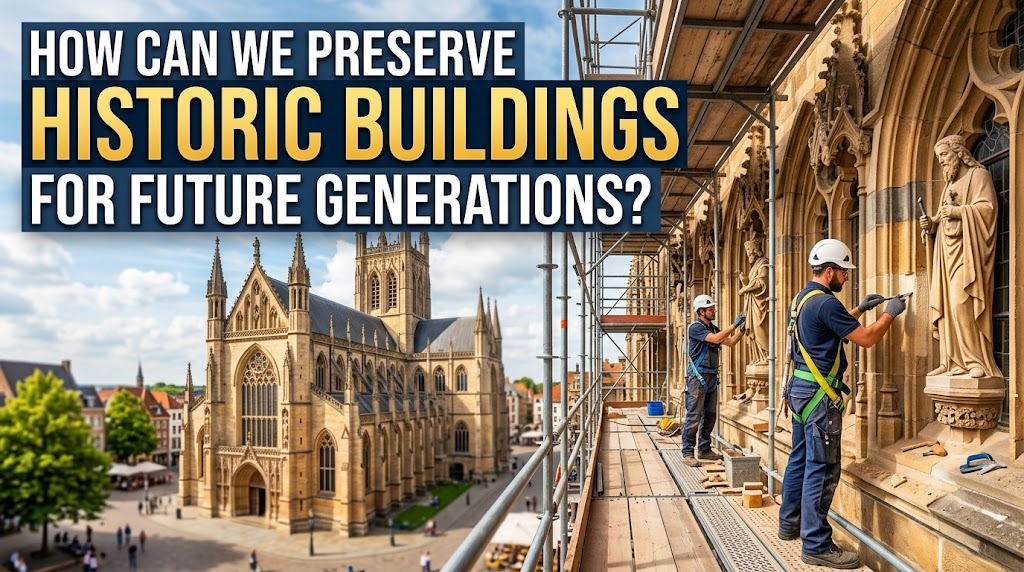
Historic buildings are valuable structures that connect modern society with the past. They preserve evidence of historical events, architectural development, cultural traditions, and the everyday lives of earlier generations. From ancient temples and traditional houses to colonial-era public buildings, these structures help communities understand their history and maintain their cultural identity. Therefore, preserving historic buildings for future generations is an important responsibility shared by governments, conservation professionals, property owners, and local communities.
However, historic buildings can deteriorate because of weather, pollution, natural disasters, neglect, and inappropriate renovations. Rapid urban development may also threaten older structures when new construction replaces historically significant sites. Protecting these buildings requires careful planning, regular maintenance, public awareness, and suitable conservation methods. By taking practical steps, society can maintain historic buildings and cultural heritage while allowing future generations to learn from them.
CONDUCTING REGULAR INSPECTIONS AND MAINTENANCE
Regular inspections are essential for identifying problems before they cause serious damage to a historic building. Moisture, cracks, roof leaks, corrosion, and biological growth can gradually weaken a structure if they are not addressed. Conservation professionals can examine the building's condition and determine which areas require attention.
Routine maintenance may include cleaning drainage systems, repairing damaged roofing, controlling moisture, and checking the condition of structural elements. However, maintenance must be carried out carefully to avoid damaging original materials or decorative features. Modern repair products should not be used without considering their compatibility with the building's existing construction. Through historic building maintenance, small problems can be managed before they develop into more costly restoration projects.
USING APPROPRIATE RESTORATION AND CONSERVATION METHODS
Historic building conservation involves protecting a structure's important features while addressing damage and deterioration. Before restoration begins, specialists should investigate the building's history, materials, construction techniques, and current condition. Historical photographs, architectural drawings, written records, and physical inspections can help establish which features are original and which were added later.
Restoration should respect the building's historical character and avoid unnecessary alterations. Whenever possible, damaged materials should be repaired rather than replaced, provided that the repair is safe and technically appropriate. If replacement materials are necessary, they should be selected carefully to remain compatible with the original structure. Qualified architects, engineers, historians, and conservation specialists can help ensure that historic building restoration protects both the building's physical stability and its cultural significance.
ESTABLISHING LEGAL PROTECTION AND GOVERNMENT SUPPORT
Governments play an important role in protecting historic buildings through laws, planning policies, funding programs, and heritage management. Legal protection can help prevent unauthorized demolition, inappropriate renovations, and development that threatens significant historic sites. Clear regulations also establish responsibilities for property owners and organizations involved in conservation.
Government support may include funding restoration projects, maintaining public historic buildings, providing technical guidance, and documenting cultural heritage sites. In Indonesia, for example, Law No. 11 of 2010 concerning Cultural Heritage provides a legal framework for the protection, development, and utilization of cultural heritage. Effective implementation requires coordination among relevant authorities, property owners, experts, and communities. With appropriate heritage protection policies, historic buildings can receive more consistent care and remain part of the country's cultural landscape.
INVOLVING LOCAL COMMUNITIES AND RAISING PUBLIC AWARENESS
Local communities often have valuable knowledge about the history, traditions, and everyday use of historic buildings. Their involvement can help identify significant places, document local memories, and encourage responsible treatment of heritage sites. Community participation also helps ensure that preservation efforts consider the needs and experiences of the people connected to these structures.
Public awareness can be increased through school activities, museum programs, guided tours, exhibitions, and educational campaigns. Residents and visitors should understand why certain buildings need special care and which activities may cause damage. Volunteers can also participate in appropriate activities, such as documenting historical information or supporting organized cleanup efforts around heritage areas. By encouraging community participation in heritage preservation, conservation becomes a shared responsibility rather than a task carried out only by experts or government institutions.
USING MODERN TECHNOLOGY AND SUSTAINABLE MANAGEMENT
Modern technology can support historic building preservation by helping experts document structures and monitor changes over time. Digital photography, three-dimensional scanning, geographic information systems, and digital archives can record architectural details and create useful references for future conservation work. These records may also help specialists assess damage, compare changes, and plan restoration more accurately.
Technology should complement, rather than replace, physical inspections and professional judgment. In addition to digital documentation, historic buildings need sustainable management plans that account for maintenance costs, visitor activities, environmental risks, and appropriate building use. Tourism can generate income to support conservation, but visitor numbers and activities must be managed to prevent excessive wear or damage. Combining modern tools with sustainable heritage management can help maintain historic buildings while keeping them accessible and meaningful to future generations.
CONCLUSION
Preserving historic buildings for future generations requires regular maintenance, appropriate restoration, legal protection, community involvement, and the responsible use of modern technology. These measures help reduce deterioration, protect original architectural features, and maintain the historical and cultural significance of important structures. Effective preservation also depends on careful research and cooperation among the people and institutions responsible for heritage protection.
Historic buildings should be treated as valuable cultural resources rather than simply as old structures. By documenting their history, providing suitable funding, educating the public, and planning for long-term maintenance, communities can protect them from avoidable damage and loss. Through consistent historic building conservation, future generations can continue to explore the architecture, traditions, and historical experiences represented by these important landmarks.
Recent Posts

Bagaimana Sistem SKS pada Program Kuliah... 22.11.2026/50 View

How Does Technology Make Daily Evaluation... 21.11.2026/80 View

Apa Strategi Menghadapi Kesenjangan antara Kompetensi... 21.11.2026/79 View

Mengapa Inventaris Aset Penting bagi Kelancaran... 21.11.2026/75 View

When Should Musicians Join a Record... 21.11.2026/80 View
