

How Can We Reduce The Effects Of Climate Change?
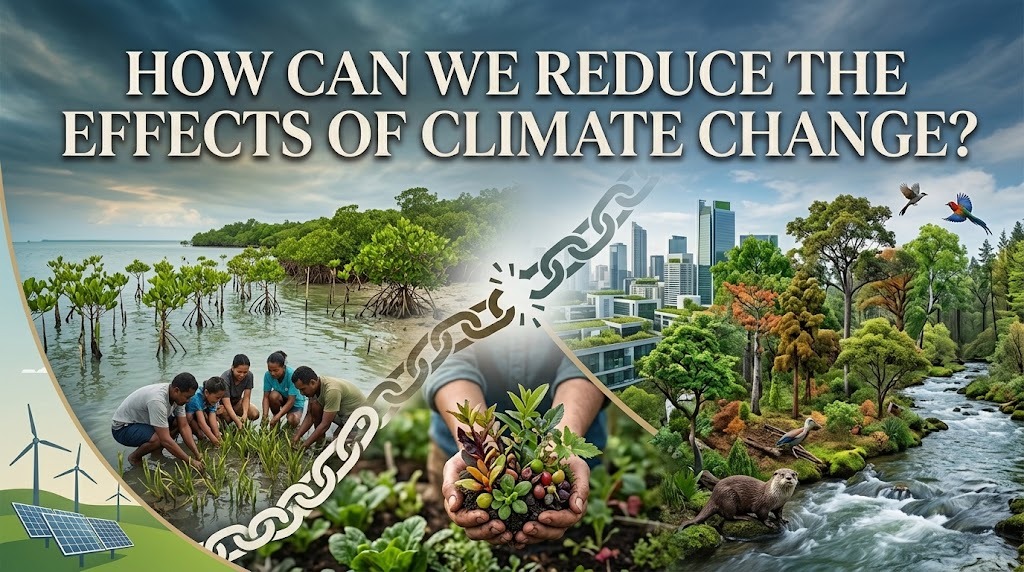
Climate change is a major global challenge that affects the environment, human health, and the economy. Rising temperatures, changing rainfall patterns, and extreme weather events can damage ecosystems and disrupt daily life. Although some climate impacts are already happening, we can reduce future risks through effective action and sustainable habits. Governments, businesses, and individuals all have important roles in reducing greenhouse gas emissions and protecting natural resources. By understanding practical solutions, we can help create a healthier environment and a safer future for the next generation.
1. SWITCH TO RENEWABLE ENERGY
One of the most effective ways to reduce the effects of climate change is to replace fossil fuels with renewable energy. Coal, oil, and natural gas release greenhouse gases when burned, contributing to global warming. Solar, wind, and hydropower can generate electricity with much lower emissions during operation. Governments and businesses can support this transition by investing in clean energy systems and improving electricity networks. Individuals can also help by choosing renewable electricity where available and using energy more efficiently at home.
2. SAVE ENERGY AT HOME AND WORK
Energy conservation helps reduce greenhouse gas emissions and lower electricity costs. People can switch off lights and electronic devices when they are not in use, choose energy-efficient appliances, and make better use of natural lighting. Improving insulation and ventilation can also reduce the need for heating or air conditioning. At workplaces, businesses can install efficient lighting, maintain equipment, and monitor energy consumption. When many households and organizations save energy consistently, the combined effect can significantly reduce unnecessary energy use.
3. USE ENVIRONMENTALLY FRIENDLY TRANSPORTATION
Transportation contributes to climate change because many cars, motorcycles, trucks, and airplanes depend on fossil fuels. Walking, cycling, carpooling, and using public transportation can reduce fuel consumption and emissions. For longer journeys, trains may offer a lower-emission alternative to driving or flying, depending on the distance and energy source. Electric vehicles can also help reduce direct emissions, especially when charged with cleaner electricity. Improving public transport systems and building safe cycling routes can make sustainable travel easier for more people.
4. PROTECT FORESTS AND PLANT TREES
Forests absorb carbon dioxide, store carbon, and provide habitats for countless species. Protecting forests helps prevent stored carbon from being released through deforestation and forest fires. Planting trees in suitable locations can also absorb carbon dioxide as they grow, while providing shade and supporting wildlife. However, tree planting should not replace the protection of existing forests, which often contain more established ecosystems. Governments, communities, and landowners can contribute by restoring damaged landscapes, preventing illegal logging, and managing forests responsibly.
5. REDUCE WASTE AND RECYCLE MATERIALS
Waste reduction is another practical way to help address climate change. Producing and transporting goods requires energy, while organic waste in landfills can release methane, a powerful greenhouse gas. People can reduce waste by buying only what they need, reusing products, repairing damaged items, and separating recyclable materials. Composting food scraps and garden waste can also reduce the amount of organic material sent to landfills when managed properly. These habits conserve resources, reduce pollution, and support a more sustainable way of living.
6. ADOPT SUSTAINABLE FOOD HABITS
Food production contributes to greenhouse gas emissions through farming, transportation, processing, and food waste. Reducing food waste is an effective step because it avoids wasting the resources and energy used to produce food. People can plan meals, store food correctly, and use leftovers safely instead of throwing them away. Eating more plant-based foods and choosing seasonal products when practical can also help lower the environmental impact of a diet. Farmers and food businesses can contribute by improving production methods, managing fertilizers carefully, and making food distribution more efficient.
7. CONSERVE WATER AND NATURAL RESOURCES
Climate change can increase water shortages in some regions, making responsible water use increasingly important. People can conserve water by fixing leaks, taking shorter showers, and using water-efficient appliances. Collecting rainwater where appropriate can support gardening and other non-drinking purposes. Communities can also protect rivers, wetlands, and forests that help maintain natural water cycles. Using water and natural resources responsibly reduces unnecessary waste and helps communities prepare for periods of drought or changing rainfall.
8. PREPARE FOR EXTREME WEATHER
Reducing greenhouse gas emissions is essential, but communities must also prepare for climate impacts that are already occurring. Climate adaptation includes actions that help people and ecosystems cope with heatwaves, floods, droughts, and rising sea levels. Communities can improve drainage, protect coastal wetlands, establish early warning systems, and create emergency plans. Individuals can prepare by identifying safe locations, keeping emergency supplies, and following official weather warnings. These measures cannot prevent every disaster, but they can reduce damage, protect lives, and strengthen community resilience.
9. SUPPORT GOVERNMENT AND COMMUNITY ACTION
Climate change requires cooperation beyond individual lifestyle changes. Governments can establish policies that reduce emissions, protect ecosystems, improve public transportation, and support clean energy development. Businesses can invest in efficient technologies, measure their emissions, and reduce environmental impacts throughout their supply chains. Schools and community organizations can educate people about climate solutions and organize local environmental projects. Collective action and effective policies can create changes on a much larger scale than isolated personal efforts.
CONCLUSION
Reducing the effects of climate change requires a combination of lower greenhouse gas emissions, sustainable daily habits, environmental protection, and climate adaptation. Using renewable energy, saving electricity, choosing cleaner transportation, protecting forests, and reducing waste can help address the causes of global warming. At the same time, preparing for extreme weather and improving community infrastructure can reduce the risks people already face. Governments, businesses, and individuals must work together to make these solutions effective and accessible. Every meaningful action can contribute to a more sustainable and climate-resilient future.
Recent Posts

Bagaimana Sistem SKS pada Program Kuliah... 22.11.2026/47 View

How Does Technology Make Daily Evaluation... 21.11.2026/75 View

Apa Strategi Menghadapi Kesenjangan antara Kompetensi... 21.11.2026/77 View

Mengapa Inventaris Aset Penting bagi Kelancaran... 21.11.2026/73 View

When Should Musicians Join a Record... 21.11.2026/77 View
