

How Can Weather Changes During The Transitional Season Affect Body Temperature?
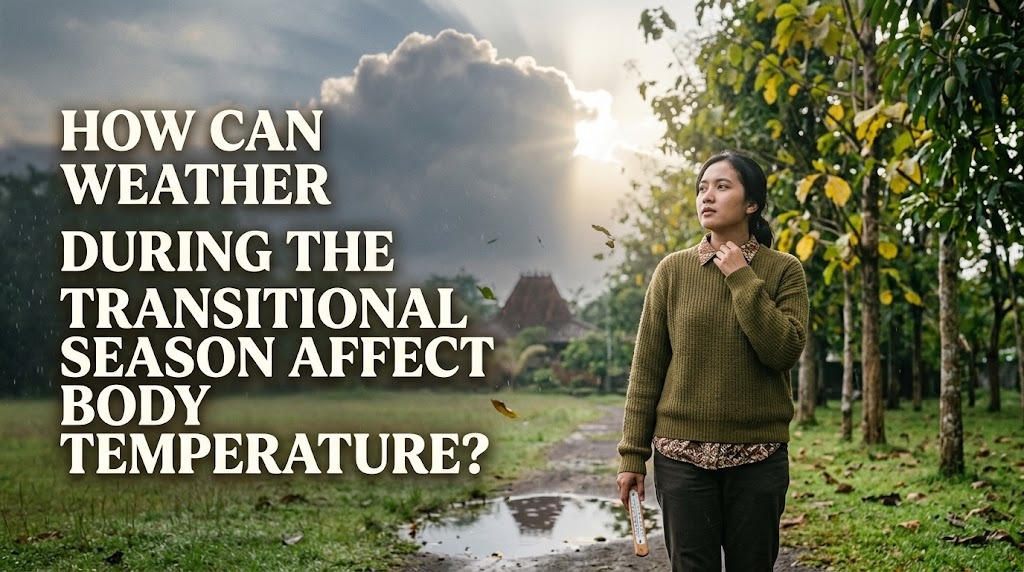
The transitional season, known as musim pancaroba in Indonesia, is the period between the dry and rainy seasons when weather conditions can change quickly. People may experience hot sunshine in the morning, sudden rain in the afternoon, and cooler temperatures at night. These changes can affect how the body feels and how it maintains its normal internal temperature. The human body usually keeps its core temperature close to 37°C, although it naturally varies slightly throughout the day. Understanding how weather changes affect body temperature can help people stay comfortable and protect their health during this unpredictable season.
HOW WEATHER CHANGES AFFECT BODY TEMPERATURE
During the transitional season, changes in air temperature, humidity, wind, and sunlight influence how the body gains and loses heat. When the weather is hot, the body releases heat mainly through sweating and increased blood flow near the skin. When the air is cooler, the body may reduce heat loss by narrowing blood vessels near the skin. Humidity also plays an important role because high humidity makes sweat evaporate more slowly, reducing the body's ability to cool down. As a result, people may feel hotter or colder depending on the surrounding conditions and their level of physical activity.
Sudden changes in weather do not always cause the body's internal temperature to change significantly. Instead, they can make the body work harder to maintain a stable temperature. For example, moving from a hot outdoor area into a cool, air-conditioned room may cause a temporary feeling of coldness. Spending a long time outdoors in hot, humid weather can increase the risk of overheating, especially when drinking water is insufficient. The body's ability to regulate temperature helps it adapt, but extreme conditions can make this process less effective.
THE EFFECT OF HOT WEATHER ON THE BODY
Hot weather during the transitional season can increase the body's need to release heat. When body temperature begins to rise, the body produces sweat, and its evaporation helps cool the skin. Blood vessels near the skin also widen to allow more heat to escape. However, high humidity can limit sweat evaporation and make cooling less effective. Prolonged heat exposure may therefore lead to dehydration, heat exhaustion, or, in severe cases, heatstroke.
People who work outdoors, exercise in the heat, or spend long periods in direct sunlight may face a greater risk of overheating. Common warning signs include heavy sweating, weakness, dizziness, headache, nausea, and muscle cramps. Drinking water regularly, resting in shaded or cool places, and wearing lightweight clothing can help reduce heat stress. If someone develops confusion, collapses, or shows signs of heatstroke, seek emergency medical help immediately and begin cooling the person while waiting for assistance. Early action is important because severe heat-related illness can become life-threatening.
THE EFFECT OF COLD AND RAINY WEATHER ON THE BODY
Rain and cooler winds can make the body lose heat more quickly, especially when clothing becomes wet. The body responds by narrowing blood vessels near the skin to conserve warmth. If the body continues losing heat faster than it can produce it, the internal temperature may fall. This condition is known as hypothermia, and it can occur when someone is exposed to cold, wet conditions for an extended period. Although it is less common in Indonesia's generally warm climate, prolonged exposure to rain, wind, or cold environments can still create risks.
People may experience shivering, cold hands and feet, or discomfort when temperatures drop suddenly. Shivering is one way the body produces additional heat through muscle activity. Wearing dry clothing, using suitable layers, and moving to a sheltered place can help maintain body warmth. If someone becomes unusually drowsy, confused, or has persistent shivering after cold exposure, they may need urgent medical assessment. Staying dry and protected from wind is especially helpful during long periods of wet weather.
THE ROLE OF HUMIDITY AND WIND
Humidity and wind can affect body temperature even when the air temperature remains the same. High humidity slows the evaporation of sweat, making it harder for the body to cool itself during hot weather. This can cause people to feel warmer than the temperature alone suggests. In contrast, wind can increase heat loss from the skin, particularly when a person is wet or exposed to cooler air. The combined effects of temperature, humidity, wind, clothing, and activity determine how comfortable or safe the weather feels.
Weather conditions can also change rapidly during the transitional season, so people should pay attention to how their bodies respond. For example, outdoor exercise may feel more exhausting on a humid afternoon than on a cooler, breezy morning. Taking breaks, drinking enough fluids, and adjusting activities to the weather can reduce unnecessary stress on the body. Weather awareness is useful because the same temperature can affect people differently depending on their surroundings and health.
WHO IS MORE VULNERABLE TO TEMPERATURE CHANGES?
Some people have more difficulty regulating body temperature than others. Infants, older adults, and people with certain health conditions may be more vulnerable to overheating or becoming too cold. Young children may not always recognize or communicate early signs of heat stress, while older adults may have a reduced ability to respond to temperature changes. People who take certain medications or have heart, kidney, or other medical conditions may also need extra care during extreme weather. These differences mean that not everyone responds to the same environmental conditions in the same way.
Outdoor workers and people who exercise intensely may also face greater risks because their bodies produce additional heat during physical activity. Individuals who are dehydrated may have more difficulty cooling themselves effectively. Families can help vulnerable members by providing access to drinking water, comfortable clothing, shaded areas, and suitable indoor environments. Recognizing individual needs helps prevent weather-related temperature problems before they become serious. Anyone with concerning or persistent symptoms should seek appropriate medical advice.
HOW TO MAINTAIN A NORMAL BODY TEMPERATURE
Simple daily habits can help the body adapt to changing weather during the transitional season. Drink water regularly, especially during hot weather or physical activity, and avoid waiting until you feel extremely thirsty. Wear lightweight, breathable clothing when it is hot, and bring a light jacket or an extra layer when rain or cooler temperatures are expected. Rest in a shaded or well-ventilated area when the weather feels too hot. Choosing clothing and activities according to the weather can make it easier for the body to maintain a comfortable temperature.
It is also important to pay attention to weather forecasts and signs of heat or cold stress. After getting wet in the rain, change into dry clothing and seek shelter if you begin to feel cold. During hot periods, reduce strenuous activity when possible and take regular breaks. If you feel dizzy, weak, confused, or unusually unwell, stop your activity and seek help when needed. Good hydration, appropriate clothing, and timely rest are practical ways to protect the body during sudden weather changes.
CONCLUSION
Weather changes during the transitional season can influence how the body gains and loses heat through changes in air temperature, humidity, wind, and sunlight. Hot and humid conditions can make cooling difficult, while prolonged exposure to cold rain and wind can increase heat loss. Most healthy people can regulate their internal temperature, but extreme conditions and certain health factors can make this process more challenging. Drinking enough water, wearing suitable clothing, resting when necessary, and recognizing warning signs can help reduce weather-related health risks. By understanding these effects, people can take simple steps to stay safe and comfortable throughout the transitional season.
Recent Posts

Bagaimana Sistem SKS pada Program Kuliah... 22.11.2026/54 View

How Does Technology Make Daily Evaluation... 21.11.2026/83 View

Apa Strategi Menghadapi Kesenjangan antara Kompetensi... 21.11.2026/82 View

Mengapa Inventaris Aset Penting bagi Kelancaran... 21.11.2026/78 View

When Should Musicians Join a Record... 21.11.2026/84 View
