

How Can You Attract New Members to Join a Creator Community?
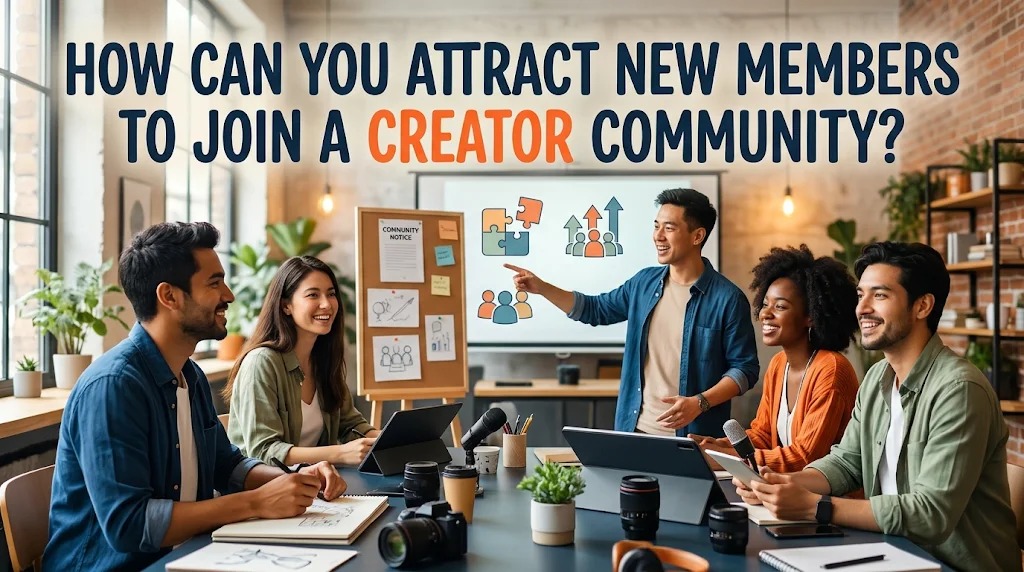
Building a creator community is an important step toward developing a supportive environment for people who enjoy producing digital content. However, maintaining a community is not only about keeping existing members active but also attracting new individuals who share similar interests and creative goals. A growing community can bring fresh ideas, different perspectives, and more opportunities for collaboration.
In the digital era, people can discover communities through social media, online discussions, creative events, and professional networks. However, attracting potential members requires more than simply promoting a group. A creator community needs to demonstrate its value, provide interesting activities, and create an environment where people feel welcome.
With the right strategies, community organizers can increase visibility, build trust, and encourage more creators to participate. These efforts can help establish a community that continues to grow and provide meaningful benefits for its members.
BUILDING A CLEAR AND ATTRACTIVE COMMUNITY IDENTITY
The first step in attracting new members is creating a clear and recognizable community identity. People are more interested in joining a group when they understand its purpose, activities, and benefits. Therefore, organizers should determine the main focus of their community, whether it involves content creation, photography, graphic design, video production, or digital marketing.
A strong identity also helps distinguish a creator community from similar groups. Organizers can develop a unique name, visual style, communication approach, and description that represent the community's values. These elements should be consistent across social media accounts and other communication platforms.
Furthermore, the community should explain what makes it valuable for potential members. For example, it may offer opportunities to learn creative skills, receive feedback, participate in projects, or connect with experienced creators. By communicating these benefits clearly, organizers can build an appealing image and attract individuals who have similar interests.
USING SOCIAL MEDIA TO REACH POTENTIAL MEMBERS
Social media is one of the most effective tools for introducing a creator community to a wider audience. Platforms such as Instagram, TikTok, YouTube, and Facebook allow organizers to share information, promote activities, and display members' creative work. These platforms can help communities reach people who may not have discovered them through traditional networking.
Organizers should publish engaging and relevant content consistently. Examples include creative tips, short tutorials, community introductions, member achievements, and behind-the-scenes activities. Content that provides useful information can encourage audiences to interact with the community and become interested in joining.
In addition, using appropriate hashtags, collaborating with other accounts, and responding to comments can improve community visibility. Organizers should also provide clear instructions about how interested individuals can become members. An accessible registration process can reduce unnecessary difficulties and encourage more people to participate.
OFFERING VALUABLE ACTIVITIES AND LEARNING OPPORTUNITIES
People are more likely to join a creator community when they see practical benefits that support their personal and professional development. Therefore, organizers should prepare activities that help members improve their knowledge, creativity, and technical abilities. These activities can become important attractions for individuals who want to develop themselves in the digital industry.
Some examples include online workshops, creative challenges, webinars, mentoring sessions, and collaborative projects. A graphic design community, for instance, can organize a weekly design challenge to encourage participants to practice their abilities. Meanwhile, a video creator community can provide editing tutorials or discussions about digital storytelling.
Organizers should also invite experienced creators to share their knowledge and experiences. Learning directly from people who understand the creative industry can provide valuable insights for beginners. When a community consistently offers useful activities, its reputation can grow and attract individuals who are looking for meaningful learning experiences.
CREATING A WELCOMING AND SUPPORTIVE ENVIRONMENT
A positive community environment is essential for attracting and retaining new members. People may hesitate to join a group if they feel that their abilities are not good enough or their ideas will not be appreciated. Therefore, organizers should create an atmosphere where everyone feels comfortable participating, regardless of their experience.
Community administrators can establish clear guidelines that promote respect, open communication, and constructive feedback. New members should receive a friendly introduction and basic information about the community's activities. Existing members can also help newcomers become familiar with discussions, platforms, and ongoing projects.
Furthermore, organizers should encourage members to appreciate one another's contributions. Recognizing creative achievements and providing helpful suggestions can strengthen relationships within the group. A supportive environment builds trust and belonging, making new members more confident about staying involved and contributing their ideas.
COLLABORATING WITH OTHER COMMUNITIES AND CREATORS
Collaboration with other creator communities and individual content creators can introduce a group to new audiences. By working with people who have similar interests, organizers can promote their activities and reach potential members through established networks. This strategy can also create opportunities for exchanging knowledge and developing joint projects.
For example, a photography community can collaborate with a graphic design group to organize a creative competition. Similarly, a video production community can work with a digital marketing group to hold an online workshop. These activities allow participants to experience the community's atmosphere while discovering opportunities to connect with other creators.
Organizers can also invite influencers, industry professionals, or experienced content creators to participate in community events. Their involvement may increase public interest and provide valuable exposure. However, collaborations should remain relevant to the community's goals and offer genuine benefits to participants. Strategic partnerships can help expand visibility while strengthening professional relationships.
MAINTAINING MEMBER ENGAGEMENT AND BUILDING A STRONG REPUTATION
Attracting new members is important, but maintaining their interest is equally necessary for long-term community growth. A group may attract many people initially, but members can become inactive if there are no meaningful discussions or regular activities. Therefore, organizers should continuously evaluate the quality of community programs and communication.
One effective strategy is to establish a consistent activity schedule. Weekly discussions, monthly workshops, creative competitions, and collaborative projects can give members reasons to participate regularly. Organizers should also ask for feedback to understand what members need and which activities they find most useful.
In addition, positive experiences from existing members can help attract new participants. Members who receive valuable support may recommend the community to friends, colleagues, or other creators. Sharing genuine testimonials and successful project results can strengthen the community's reputation. By maintaining member engagement, quality activities, and mutual support, a creator community can grow sustainably.
CONCLUSION
Attracting new members to a creator community requires a clear identity, effective social media promotion, valuable activities, and a welcoming environment. Collaboration with other creators and communities can also increase visibility and introduce the group to people with similar interests.
However, community growth should not focus only on increasing the number of members. Organizers must also maintain engagement, provide meaningful learning opportunities, and build positive relationships among participants. A successful creator community attracts people through its value and keeps them involved through collaboration, trust, and continuous development.
Recent Posts

Bagaimana Sistem SKS pada Program Kuliah... 22.11.2026/35 View

How Does Technology Make Daily Evaluation... 21.11.2026/69 View

Apa Strategi Menghadapi Kesenjangan antara Kompetensi... 21.11.2026/70 View

Mengapa Inventaris Aset Penting bagi Kelancaran... 21.11.2026/67 View

When Should Musicians Join a Record... 21.11.2026/69 View
