

How Can You Become a Professional Production Staff Member?
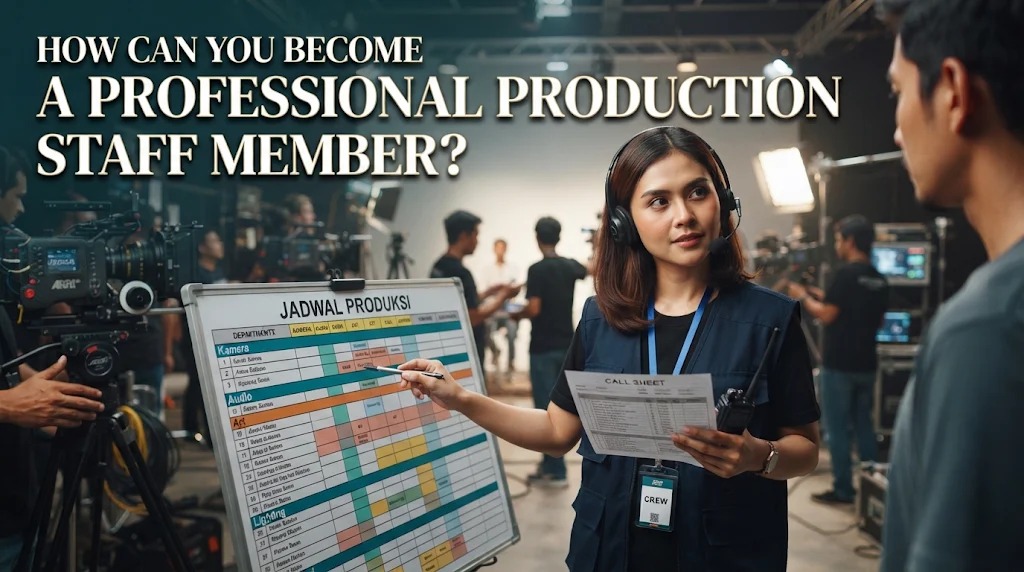
Becoming a professional production staff member requires practical skills, discipline, responsibility, and a strong understanding of manufacturing processes. Production staff play an important role in ensuring that products are made according to company standards, completed on time, and delivered in good condition. This position also requires the ability to work efficiently, follow instructions, and cooperate with other employees. By developing the right qualifications and work habits, individuals can build a successful career in the production industry.
UNDERSTANDING THE PRODUCTION WORK PROCESS
The first step toward becoming a professional production staff member is understanding how the manufacturing process works. Employees need to know the stages involved in producing goods, from preparing raw materials to inspecting and packaging finished products. This knowledge helps them understand their responsibilities and complete tasks more effectively.
Learning about production procedures also allows workers to identify potential problems during operations. They should understand work instructions, production schedules, and quality requirements. With sufficient knowledge, employees can adapt more easily to different production activities.
DEVELOPING TECHNICAL SKILLS
Technical skills are essential for production staff because many manufacturing activities involve operating machines, using equipment, and handling materials. Employees should learn how to operate tools correctly and understand basic machine functions. These abilities help reduce operational errors and improve production efficiency.
Technical skills can be developed through vocational education, workplace training, internships, and direct experience. Individuals should also be willing to learn how to use new technologies because manufacturing equipment continues to develop. Improving technical knowledge makes employees more prepared to handle different production responsibilities.
IMPROVING DISCIPLINE AND TIME MANAGEMENT
Discipline is an important quality for anyone working in a production environment. Production staff must follow schedules, arrive on time, and complete assigned tasks according to established procedures. Delays or careless work can affect the entire production process.
Good time management helps employees prioritize their responsibilities and maintain consistent performance. They should understand daily production targets and organize their work to meet deadlines. By developing discipline, production staff can become more reliable and professional.
UNDERSTANDING WORKPLACE SAFETY PROCEDURES
Professional production staff must understand and follow occupational health and safety procedures. Manufacturing environments may involve heavy equipment, sharp tools, chemicals, or other potential hazards. Employees need to recognize workplace risks and know how to prevent accidents.
They should use personal protective equipment according to company regulations and follow machine operating instructions carefully. Keeping the workplace clean and reporting unsafe conditions are also important responsibilities. Knowledge of workplace safety protects employees and supports smooth production activities.
DEVELOPING COMMUNICATION AND TEAMWORK SKILLS
Production activities usually involve several employees working together to achieve shared targets. Therefore, communication and teamwork are important skills for production staff. Employees need to understand instructions, share information, and coordinate tasks with coworkers and supervisors.
Good teamwork helps prevent misunderstandings and reduces production delays. Workers should also respect different opinions and be willing to help colleagues when necessary. Strong communication skills make it easier to solve problems and maintain a positive working environment.
LEARNING QUALITY CONTROL STANDARDS
A professional production staff member must understand the importance of product quality. Every product should meet established specifications before being distributed to customers. Employees need to pay attention to details and identify defects during the manufacturing process.
Basic quality control knowledge includes checking product appearance, measurements, quantities, and packaging conditions. Workers should also report defective materials or products to the appropriate supervisor. By maintaining quality standards, production staff help protect customer satisfaction and company reputation.
GAINING EXPERIENCE THROUGH TRAINING AND INTERNSHIPS
Practical experience is valuable for individuals who want to develop a career in production. Training programs and internships provide opportunities to learn directly from experienced employees. Through these activities, beginners can understand workplace expectations and become familiar with real manufacturing operations.
Individuals can also improve their abilities by asking questions, accepting feedback, and learning from mistakes. Experience helps them become more confident when handling equipment and completing production tasks. Continuous learning can create better opportunities for career development.
CONCLUSION
Becoming a professional production staff member requires technical knowledge, discipline, workplace safety awareness, communication skills, and practical experience. Individuals should continuously improve their abilities and understand the importance of product quality and teamwork. By developing these qualities, they can perform their responsibilities effectively and build a promising career in the manufacturing industry.
Recent Posts

How Does Technology Make Daily Evaluation... 21.11.2026/56 View

Apa Strategi Menghadapi Kesenjangan antara Kompetensi... 21.11.2026/58 View

Mengapa Inventaris Aset Penting bagi Kelancaran... 21.11.2026/52 View

When Should Musicians Join a Record... 21.11.2026/53 View

Daily Evaluation or Daily Planning Which... 21.11.2026/60 View
