

How Can You Build an Active and Productive Creator Community?
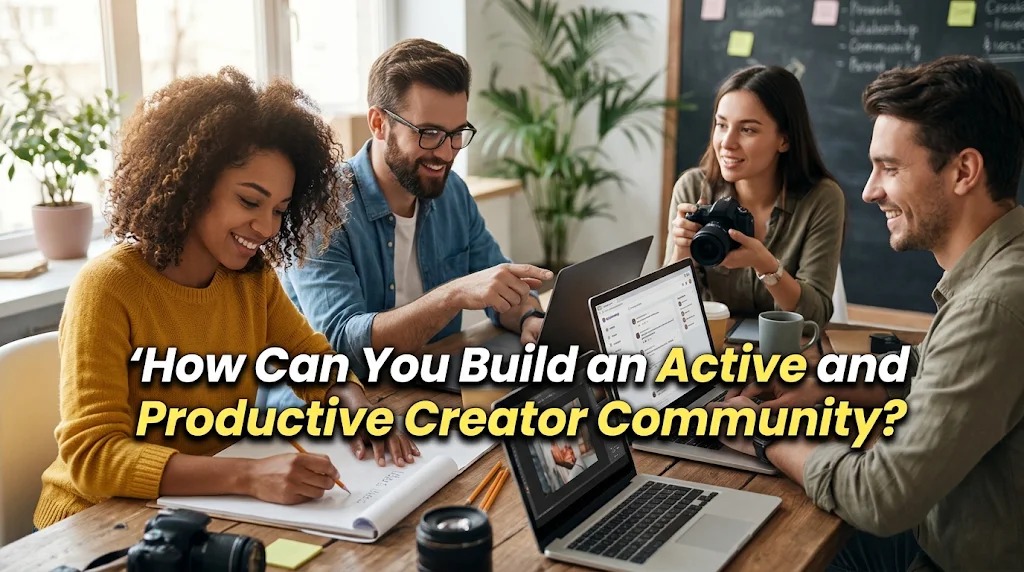
Building an active and productive creator community requires more than bringing people together in one group. It involves creating an environment where members feel comfortable sharing ideas, developing their abilities, collaborating, and supporting one another. A successful creator community should have clear goals, effective communication, and activities that encourage members to participate consistently.
In the digital era, creator communities have become valuable spaces for people who want to develop their talents and produce quality content. Whether the community focuses on writing, photography, graphic design, video production, or social media, proper management can help members grow together. With the right strategies, a creator community can become a productive platform for learning, networking, and creating new opportunities.
ESTABLISHING CLEAR GOALS AND A COMMUNITY IDENTITY
The first step in building an active and productive creator community is establishing clear goals and a strong identity. A community needs to understand its main purpose, the type of creators it wants to bring together, and the activities it plans to organize. These goals help members understand what they can achieve by joining the community.
For example, a community may focus on developing digital content creation skills, supporting beginner creators, or connecting professionals from different creative industries. Having a specific focus makes it easier to plan relevant activities and attract people with similar interests. It also helps the community establish a recognizable identity among other digital communities.
In addition, community organizers should develop basic guidelines that explain the values, expectations, and responsibilities of members. These guidelines can encourage respect, collaboration, and professionalism. When everyone understands the community's direction, it becomes easier to maintain a positive environment and work toward shared objectives.
CREATING AN INCLUSIVE AND SUPPORTIVE ENVIRONMENT
An active creator community should provide a welcoming environment where every member feels valued and respected. Beginners and experienced creators should have equal opportunities to share ideas, ask questions, and participate in discussions. This approach helps prevent members from feeling excluded because of differences in experience or technical abilities.
Community administrators can encourage participation by appreciating members' contributions and providing constructive feedback. Instead of criticizing someone's work negatively, members should offer suggestions that help improve the quality of their content. A supportive atmosphere can increase confidence and motivate individuals to continue developing their creative abilities.
Furthermore, community leaders should establish rules against harassment, discrimination, spam, and inappropriate behavior. Clear communication standards help maintain healthy interactions among members. By creating an inclusive environment, a creator community can build stronger relationships and encourage long-term member participation.
ORGANIZING INTERESTING AND CONSISTENT ACTIVITIES
Regular activities are essential for keeping a creator community active and productive. Without meaningful programs, members may gradually lose interest and become less involved in community discussions. Therefore, organizers should prepare activities that match members' interests, skills, and creative goals.
Some useful activities include creative challenges, online workshops, content-sharing sessions, webinars, and collaborative projects. For example, a weekly content challenge can encourage members to create something based on a particular theme. Meanwhile, workshops can introduce new techniques in graphic design, photography, video editing, and digital marketing.
Consistency is also important when organizing community activities. Organizers should establish realistic schedules so members know when discussions, learning sessions, or collaborative projects will take place. Activities do not always need to be large or complicated. Even simple programs can create meaningful experiences when they provide opportunities for members to learn, contribute, and interact regularly.
USING DIGITAL PLATFORMS FOR EFFECTIVE COMMUNICATION
Digital platforms play an important role in helping creator communities communicate and coordinate their activities. Social media groups, messaging applications, online forums, and collaboration platforms can make it easier for members to exchange information regardless of their geographical locations. Choosing the right platform depends on the community's size, communication needs, and preferred activities.
For example, messaging platforms can be used for daily discussions and announcements, while video conferencing applications are useful for online meetings and workshops. Meanwhile, project management tools can help members organize tasks, monitor progress, and manage collaborative content production. These tools make community activities more structured and efficient.
However, using too many platforms can create confusion and make communication less organized. Community administrators should select a few tools that serve specific purposes. They should also provide clear information about where members can find announcements, submit creative work, and participate in discussions. Effective digital communication helps maintain coordination and strengthens relationships between members.
ENCOURAGING COLLABORATION AND KNOWLEDGE SHARING
Collaboration is one of the most effective ways to make a creator community productive. When members work together, they can combine different talents, experiences, and perspectives to produce more valuable content. For example, a writer can collaborate with a graphic designer and video editor to create an educational digital campaign.
Knowledge sharing is equally important because every member may have different levels of expertise. Experienced creators can provide practical guidance, while beginners can contribute fresh ideas and perspectives. This exchange allows everyone to learn from one another and improve their abilities through real experiences.
Community organizers can encourage collaboration by creating small project teams, organizing brainstorming sessions, and introducing members with complementary skills. They can also establish opportunities for members to present their work and receive feedback. Through these activities, teamwork, creativity, and problem-solving skills can develop while members build stronger professional connections.
EVALUATING COMMUNITY DEVELOPMENT AND MAINTAINING ENGAGEMENT
Building a productive creator community requires continuous evaluation to ensure that its activities remain relevant and beneficial. Organizers should regularly review member participation, the quality of community programs, and the progress of collaborative projects. This evaluation helps identify successful strategies and areas that need improvement.
One way to measure community development is by observing member engagement, including participation in discussions, attendance at activities, contributions to projects, and feedback from members. However, community success should not be measured only by the number of members or social media followers. The quality of interactions and the benefits received by members are equally important.
Organizers should also collect suggestions through surveys, discussions, or regular evaluation meetings. These suggestions can help the community adjust its programs according to changing interests and digital trends. By maintaining open communication and improving activities consistently, a creator community can remain relevant, active, and productive over time.
CONCLUSION
Building an active and productive creator community requires clear goals, an inclusive environment, consistent activities, effective communication, and strong collaboration. Each element plays an important role in encouraging members to participate and develop their creative potential.
Furthermore, regular evaluation helps community organizers understand members' needs and improve the quality of their programs. By providing meaningful learning experiences and opportunities to work together, a creator community can become a valuable space for personal development, professional networking, and digital creativity. A successful creator community is built through active participation, mutual support, and a shared commitment to growing together.
Recent Posts

Bagaimana Sistem SKS pada Program Kuliah... 22.11.2026/35 View

How Does Technology Make Daily Evaluation... 21.11.2026/69 View

Apa Strategi Menghadapi Kesenjangan antara Kompetensi... 21.11.2026/70 View

Mengapa Inventaris Aset Penting bagi Kelancaran... 21.11.2026/67 View

When Should Musicians Join a Record... 21.11.2026/69 View
