

How Can You Change Your ATM PIN Safely?
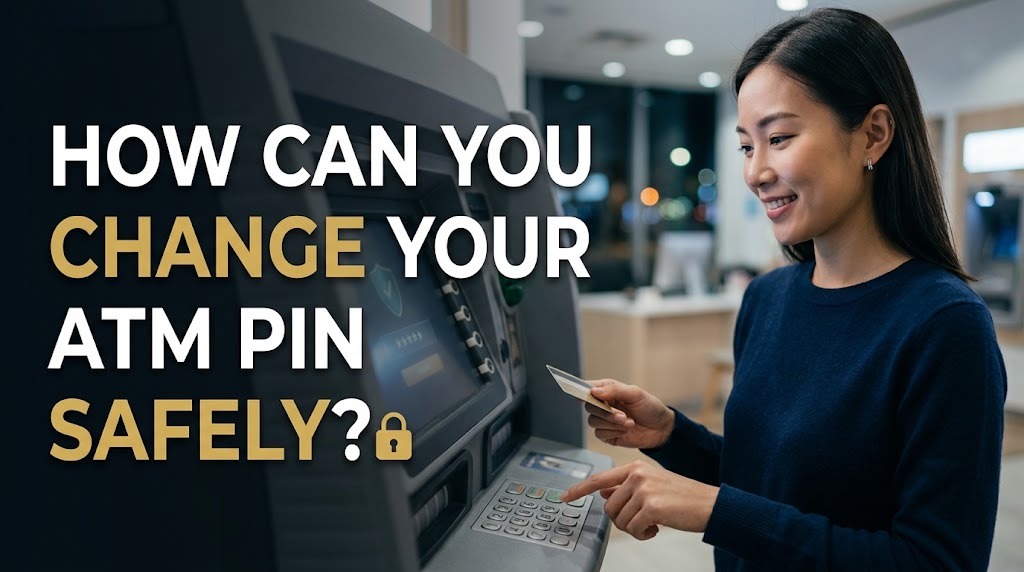
Changing an ATM PIN can be an important part of maintaining banking security, especially if you believe the PIN may have been exposed or if your bank recommends changing it. However, the process should always be completed through an official banking channel.
A safe PIN change involves more than simply choosing a new number. You should protect your existing PIN, create a new PIN that is not easy to guess, and make sure no one can observe the number while you enter it. Following these steps can improve ATM security.
USE AN OFFICIAL BANKING CHANNEL
The first step to change your ATM PIN safely is to use a channel officially provided by your bank. Depending on the bank, PIN changes may be available through an ATM, mobile banking application, or another authorized service.
Before changing your PIN, make sure you are using the correct ATM or official banking application. Avoid following instructions from unknown websites, messages, or individuals who claim they can change your PIN for you.
Using an official banking channel helps reduce the risk of exposing confidential account information.
CHOOSE A NEW PIN CAREFULLY
When creating a new ATM PIN, avoid numbers that are easy for other people to associate with you. Personal information that may be publicly known should not be used as the basis for a PIN.
A new PIN should be something you can remember without making it obvious to other people. Avoid predictable patterns or combinations that may be easy to guess.
The purpose of changing a PIN is to improve PIN security, so replacing one easily guessed number with another predictable combination does not provide much additional protection.
PROTECT YOUR PIN DURING THE CHANGE
When entering a new PIN at an ATM, make sure other people cannot see the keypad. Use your hand or body to cover the keypad while entering the number.
Pay attention to your surroundings and avoid accepting unnecessary assistance from strangers. If someone is standing unusually close while you are entering sensitive information, consider ending the transaction and using another ATM.
These simple habits can help protect your confidential banking information from being observed.
KEEP THE NEW PIN PRIVATE
After changing your ATM PIN, keep the new number confidential. Do not share it with friends, relatives, strangers, or anyone who asks for it through a message or phone call.
Avoid writing the PIN directly on your ATM card. You should also be careful about storing the number in places where other people could easily access it.
If someone claims to represent your bank and asks for your PIN, use an official bank contact channel to verify the request. Do not disclose the confidential number.
CHECK YOUR ACCOUNT AND BANKING SECURITY
After changing your PIN, continue practicing good banking security habits. Monitor your account activity and pay attention to unfamiliar transactions or unusual notifications.
If you changed the PIN because you suspected that someone had learned it, consider contacting the bank through an official channel to ask whether any additional security steps are necessary.
Protecting the PIN should also be combined with protecting your physical card and other bank account information. Security works best when several protective habits are used together.
CONCLUSION
You can change your ATM PIN safely by using an official banking channel, choosing a less predictable PIN, protecting the keypad during the process, and keeping the new number confidential.
After changing the PIN, continue monitoring your account and following your bank's security recommendations. Good PIN protection can help reduce the risk of unauthorized access to banking services.
Recent Posts

Bagaimana Sistem SKS pada Program Kuliah... 22.11.2026/35 View

How Does Technology Make Daily Evaluation... 21.11.2026/69 View

Apa Strategi Menghadapi Kesenjangan antara Kompetensi... 21.11.2026/69 View

Mengapa Inventaris Aset Penting bagi Kelancaran... 21.11.2026/67 View

When Should Musicians Join a Record... 21.11.2026/68 View
