

How Can You Check Your SKTM Application Status?
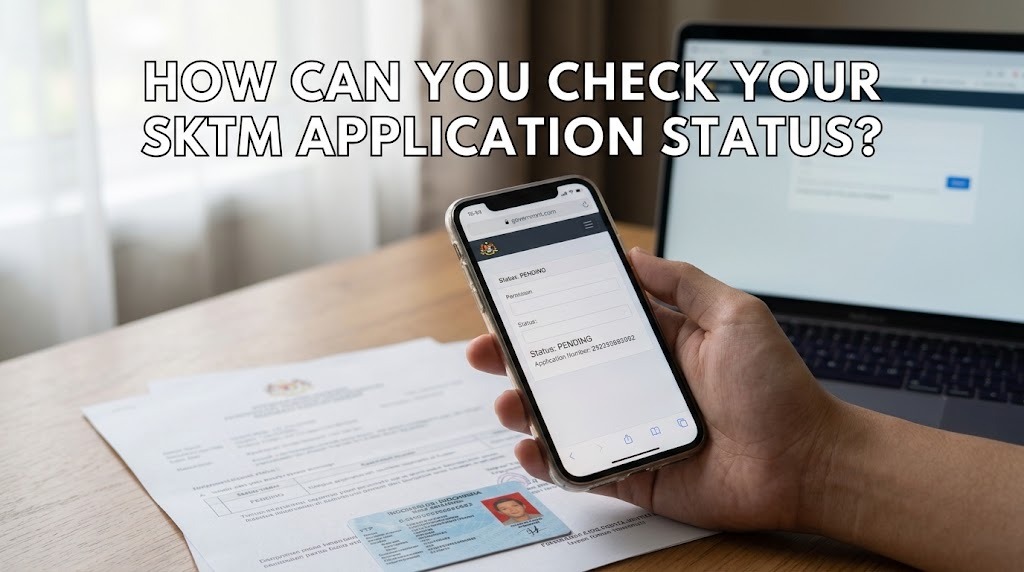
An SKTM (Surat Keterangan Tidak Mampu) is a document generally issued by an authorized local government office to confirm that an individual or household is experiencing financial hardship. It is commonly used as supporting documentation when applying for scholarships, social assistance, healthcare support, and other administrative services. After submitting an application, applicants naturally want to know whether their documents have been received, whether the verification process has been completed, and when the certificate can be issued.
Checking the SKTM application status is an important step because it helps applicants monitor the progress of their requests and respond to administrative requirements on time. The available checking methods depend on the local government office responsible for processing the application. Some regions provide online tracking services, while others require applicants to contact or visit the village or subdistrict office directly. By understanding these options, applicants can follow the process more effectively and avoid unnecessary delays.
KEEP YOUR APPLICATION RECEIPT AND REGISTRATION INFORMATION
The first step in checking an SKTM application status is keeping all information received when submitting the application. Depending on the local administrative procedure, applicants may receive an application receipt, registration number, reference code, confirmation message, or another document showing that their request has been submitted. These records are useful because they help the responsible office identify the application and review its progress.
Applicants should also record the date of submission, the name of the issuing office, and the documents that were provided. If the application was submitted online, save the confirmation page or take note of the reference number displayed by the official platform. Keeping these details organized can make follow-up communication easier, especially when several days have passed since the application was submitted.
It is also important to keep copies of the supporting documents, such as the KTP, family card (KK), and other information required by the local government. These records can help applicants answer questions if the office requests clarification. However, personal documents should be stored securely and shared only through official channels to protect sensitive information.
CHECK THE OFFICIAL ONLINE SERVICE PLATFORM
Some local governments provide digital services that allow residents to monitor their SKTM application progress through an official website or electronic public service platform. If the application was submitted online, applicants should first check whether the platform includes a tracking feature. This feature may display information about the application being received, reviewed, awaiting additional documents, approved, or completed.
The checking procedure can differ depending on the platform. Applicants may be asked to log in using a registered account, enter an application reference number, or provide other information requested by the system. They should follow the instructions carefully and make sure they are accessing the official website managed by the relevant government institution.
Not every region provides an online tracking feature, even if it allows residents to submit certain administrative requests digitally. In some areas, applicants may only receive notifications through email, text messages, or an account dashboard. If the status information is unclear or has not changed for some time, applicants can contact the responsible office to ask whether further action is needed.
CONTACT THE VILLAGE OR SUBDISTRICT OFFICE RESPONSIBLE FOR PROCESSING THE APPLICATION
When online tracking is unavailable, applicants can contact the village or subdistrict office responsible for issuing the SKTM. These offices can provide information about the administrative process, including whether the application has been received, whether the supporting documents are complete, and whether verification is still in progress.
Before contacting the office, applicants should prepare their application reference number, submission date, and basic identification information. They can ask specific questions, such as whether the application has entered the verification stage, whether additional documents are required, and how they will be notified when the certificate is ready. Providing clear information can help staff locate the relevant application more efficiently.
Applicants should also understand that processing procedures may differ between local governments. Some offices may handle verification directly, while others may coordinate with neighborhood representatives or other administrative units. If the application was submitted through an RT, RW, or another local administrative channel, applicants should ask which office is responsible for providing the latest status information.
VISIT THE ISSUING OFFICE IF FURTHER VERIFICATION IS REQUIRED
In certain situations, applicants may need to visit the issuing government office to obtain more detailed information about their application. This may happen when the office does not provide online tracking, when the submitted documents need clarification, or when additional verification must be completed in person. A direct visit can also help applicants understand administrative instructions that may be difficult to explain through a phone call or message.
Before visiting, applicants should check the office's operating hours and ask which documents they need to bring. These may include the original KTP, family card, application receipt, previous correspondence, or copies of the supporting documents submitted earlier. Bringing relevant records can help the staff review the application without requiring the applicant to return because of missing information.
During the visit, applicants can politely ask about the current processing stage and whether there are any outstanding requirements. If the application is delayed, they can request an explanation of the issue and ask for an estimated next step when that information is available. Applicants should avoid paying unofficial fees or handing over personal documents to individuals who are not authorized to process the application.
FOLLOW UP ON VERIFICATION RESULTS AND COMPLETE ANY ADDITIONAL REQUIREMENTS
After checking the SKTM application status, applicants should pay attention to the information provided by the issuing office. If the application is still under review, they may need to wait for the verification process to be completed. If additional documents or corrections are requested, applicants should follow the instructions and submit the necessary information within the stated period, if one is provided.
When an application is marked as approved, applicants should ask how the certificate will be issued. Depending on local procedures, the SKTM may be available as a printed document that must be collected at the office or as an electronic certificate that can be accessed through an official platform. Before using it, applicants should check the spelling of their name, identity details, residential address, issue date, and other information to ensure that everything is accurate.
If an application is rejected or cannot be processed, applicants should request a clear explanation from the responsible office. Possible issues may include incomplete documents, inconsistent personal information, unmet local requirements, or unsuccessful verification. Depending on the reason, applicants may be allowed to correct the information, provide additional evidence, or submit a new application. Keeping records of the explanation and any follow-up communication can help prevent the same problem from occurring again.
CONCLUSION
Applicants can check their SKTM application status through several methods, including reviewing their application receipt, using an official online tracking platform when available, contacting the responsible village or subdistrict office, and visiting the issuing office when further clarification is necessary. Each method helps applicants understand whether their request has been received, verified, approved, or requires additional information. The available procedures depend on the administrative services provided by the local government.
To make the process more organized, applicants should keep their reference numbers, save copies of submitted documents, monitor official notifications, and respond promptly to requests for clarification. They should also protect their personal information by using verified government channels. By following these steps, applicants can monitor the SKTM application process more effectively and take the appropriate action until the certificate is issued or a final decision is provided.
Recent Posts

Bagaimana Sistem SKS pada Program Kuliah... 22.11.2026/48 View

How Does Technology Make Daily Evaluation... 21.11.2026/76 View

Apa Strategi Menghadapi Kesenjangan antara Kompetensi... 21.11.2026/78 View

Mengapa Inventaris Aset Penting bagi Kelancaran... 21.11.2026/73 View

When Should Musicians Join a Record... 21.11.2026/78 View
