

How Can You Communicate Effectively During a Negotiation?
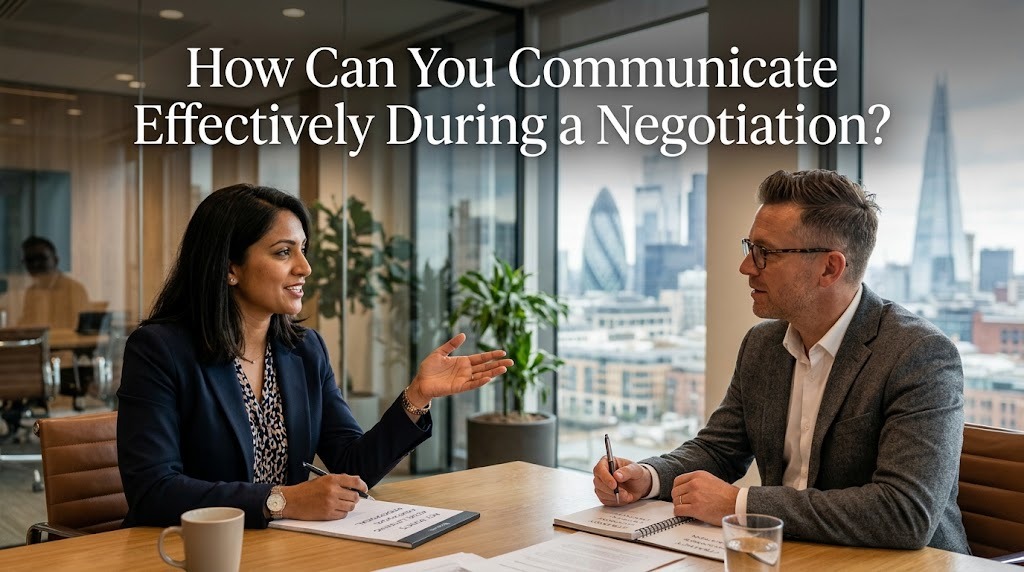
Effective communication is one of the most important factors in a successful negotiation. Negotiation requires more than simply presenting demands because both parties need to understand each other's interests, expectations, and concerns. Poor communication can create misunderstandings, unnecessary conflict, and agreements that fail to satisfy either side. On the other hand, clear and respectful communication can make discussions more productive. Developing strong communication habits can therefore help negotiators achieve better outcomes while maintaining positive relationships.
PREPARE YOUR MESSAGE BEFORE THE NEGOTIATION
Good communication begins with proper preparation. Before the negotiation starts, determine what you want to achieve, which issues are most important, and which points can still be adjusted. Organizing your thoughts beforehand makes it easier to explain your position clearly. You should also collect relevant information that can support your proposals during the discussion. Preparation reduces the risk of giving unclear or inconsistent answers.
It is useful to prepare several key points rather than memorizing an entire conversation. Think about possible questions, objections, and responses that may arise during the negotiation. You should also consider the other party's priorities so that your message can address their concerns. This preparation allows you to remain flexible while keeping the discussion focused. A well-prepared negotiator usually communicates with greater confidence and control.
SPEAK CLEARLY AND CONFIDENTLY
Clear speech helps both parties understand exactly what is being proposed. During negotiation, use simple, direct, and professional language instead of complicated explanations. State your needs and reasons without making unnecessary demands or personal attacks. Confidence is important, but it should not be confused with aggression. A confident negotiator can communicate a firm position while still showing respect for the other party.
Your tone can also influence how your message is received. Speaking too quickly, using an aggressive tone, or constantly interrupting can create tension. Instead, maintain a calm and professional tone throughout the discussion. Take enough time to explain important points and allow the other person to respond. This balanced approach can make your communication more persuasive without creating unnecessary pressure.
PRACTICE ACTIVE LISTENING
Effective negotiation requires listening as much as speaking. Active listening means paying close attention to what the other party says instead of simply preparing your next response. Listen for their concerns, priorities, limitations, and reasons behind their requests. This information can help you identify opportunities for compromise. It also shows that you respect the other person's perspective.
You can demonstrate active listening by asking relevant questions and confirming your understanding. For example, you can briefly summarize an important point before responding to it. Open ended questions can also encourage the other party to explain their needs in greater detail. Avoid interrupting unless clarification is genuinely necessary. When people feel understood, they are often more willing to participate in constructive problem solving.
USE POSITIVE AND PERSUASIVE LANGUAGE
The words used during negotiation can influence the direction of the conversation. Instead of focusing only on what the other party cannot do, use positive and solution focused language. Explain how a proposal could create benefits for both sides. For example, rather than simply demanding a change in contract terms, explain how the proposed adjustment could improve efficiency or reduce future problems. This makes the discussion more focused on solutions.
Persuasive communication should also be supported by facts and reasonable explanations. Avoid exaggeration, misleading statements, or emotional pressure because these approaches can damage trust. A strong argument connects the proposal with a clear benefit for the other party. When people understand why an option may be valuable, they are more likely to consider it seriously. Persuasion is therefore most effective when it combines logic, respect, and an understanding of the other party's interests.
CONTROL EMOTIONS AND HANDLE DISAGREEMENTS
Negotiations can become challenging when people have different expectations or strong opinions. Maintaining emotional control is important because anger, frustration, or fear can lead to poor decisions. If the conversation becomes tense, take a moment to consider the issue before responding. Focus on the problem rather than attacking the person involved. Professional behavior can help prevent a disagreement from becoming a personal conflict.
Disagreement does not necessarily mean that negotiation has failed. Ask questions to understand why the other party rejects a proposal and look for alternative solutions. You can acknowledge their concerns without immediately agreeing with them. Respectful disagreement can keep the discussion productive and create opportunities for compromise. Remaining calm also demonstrates professionalism and can strengthen your position during difficult negotiations.
CONFIRM AGREEMENTS AND FOLLOW UP
Clear communication should continue until the negotiation is completely finalized. Before ending the discussion, summarize the main points that both parties have agreed upon. Confirm important details such as responsibilities, deadlines, prices, conditions, and other relevant terms. This helps prevent different interpretations after the negotiation ends. Written confirmation can be particularly useful for important professional or business agreements.
Following up also demonstrates reliability and professionalism. If there are remaining issues, communicate them clearly rather than assuming they will resolve themselves. Make sure both parties understand what happens next and who is responsible for each action. Clear follow up communication can reduce future misunderstandings and strengthen trust. A successful negotiation should therefore end with both sides having a shared understanding of the agreement.
CONCLUSION
Effective communication during negotiation requires clear preparation, confident speaking, active listening, persuasive language, emotional control, and careful follow up. Negotiators should communicate their interests directly while remaining open to the concerns of the other party. Listening carefully can reveal valuable information and create opportunities for better solutions. Maintaining a calm and respectful tone can also prevent disagreements from becoming unnecessary conflicts. These communication skills can make negotiations more productive and professional.
The goal of effective negotiation communication is not simply to make the other party accept your proposal. It is to create mutual understanding and a practical agreement. By practicing these techniques consistently, anyone can become more confident when handling negotiations in the workplace, business, or everyday situations. Strong communication can ultimately support better decisions, stronger relationships, and more sustainable agreements.
Recent Posts

Bagaimana Sistem SKS pada Program Kuliah... 22.11.2026/37 View

How Does Technology Make Daily Evaluation... 21.11.2026/70 View

Apa Strategi Menghadapi Kesenjangan antara Kompetensi... 21.11.2026/73 View

Mengapa Inventaris Aset Penting bagi Kelancaran... 21.11.2026/68 View

When Should Musicians Join a Record... 21.11.2026/71 View
