

How Can You Create a Positive First Impression Through Self Presentation?
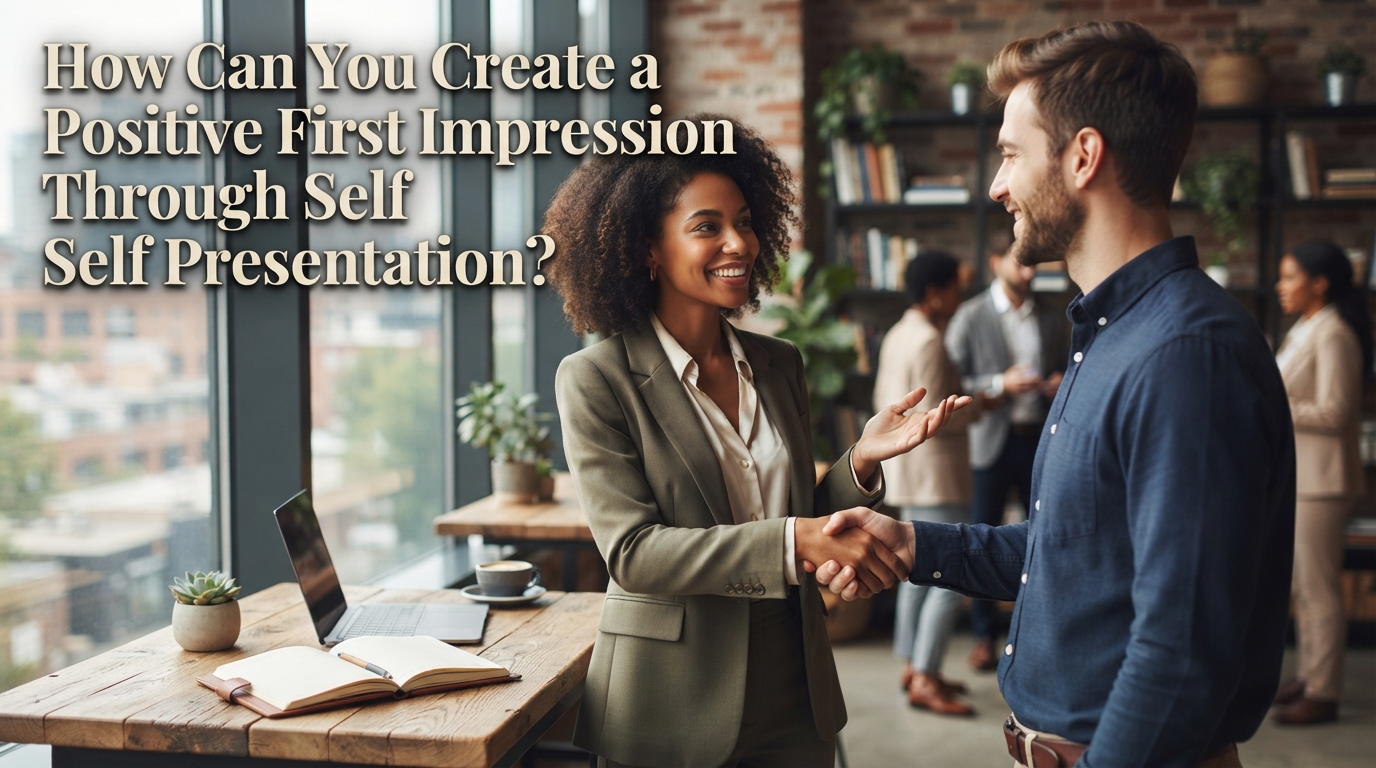
Creating a positive first impression is an important part of building relationships in social, educational, and professional environments. The way people present themselves can influence how others perceive their personality, attitude, and abilities. Self-presentation refers to how individuals communicate their identity through appearance, behavior, communication, and body language. When meeting new people, attending interviews, or participating in professional events, presenting yourself appropriately can help establish trust and create comfortable interactions. Therefore, developing good self-presentation skills is essential for anyone who wants to make a positive impression and build meaningful connections.
1. MAINTAIN A CLEAN AND APPROPRIATE APPEARANCE
Physical appearance is often one of the first things people notice when meeting someone. Wearing clean, neat, and appropriate clothing can help create a positive impression in different situations. Personal hygiene, including clean hair, fresh breath, and well-maintained clothing, also reflects self-respect. You do not need expensive outfits or fashionable accessories to look presentable. A neat and appropriate appearance is usually enough to show that you care about yourself and respect the people around you.
Choosing clothing that matches the occasion is equally important. For example, formal clothing may be suitable for job interviews or business meetings, while casual outfits may be appropriate for informal gatherings. Feeling comfortable with your appearance can also improve your confidence when interacting with others. However, appearance should not become the only focus of personal presentation. Combining a clean appearance with positive attitudes and respectful behavior creates a more complete impression.
2. SHOW CONFIDENCE THROUGH YOUR ATTITUDE
Confidence is an important factor in creating a positive first impression. People who feel confident are generally more comfortable introducing themselves, expressing opinions, and participating in conversations. Confidence can be demonstrated through a relaxed posture, natural eye contact, and a clear speaking voice. These behaviors help others feel that you are comfortable with yourself and willing to communicate. Self-confidence also makes it easier to handle unfamiliar situations without becoming overly nervous.
However, confidence should not be confused with arrogance. You should express your abilities without making others feel unimportant or inferior. Being open to different opinions and acknowledging that you still have things to learn are signs of healthy confidence. Avoid exaggerating your achievements simply to impress people. Genuine confidence comes from understanding your strengths while remaining humble and respectful.
3. USE POLITE AND EFFECTIVE COMMUNICATION
The way you communicate can strongly influence how others perceive you. Using polite language, appropriate greetings, and clear expressions helps create comfortable conversations. When meeting someone for the first time, introduce yourself naturally and provide relevant information about yourself. Speak at a suitable volume and choose words that match the situation. Effective communication demonstrates that you understand how to interact respectfully with different people.
Listening is just as important as speaking when creating a positive impression. Give others enough time to express their thoughts without interrupting unnecessarily. Show interest by asking relevant questions and responding appropriately to what they say. Avoid dominating conversations or constantly shifting the discussion toward yourself. Good communication combines speaking clearly with active listening, helping establish mutual respect and understanding.
4. MAINTAIN POSITIVE BODY LANGUAGE
Body language communicates feelings and attitudes even when you are not speaking. Your facial expressions, posture, gestures, and eye contact can influence how approachable you appear. For example, a natural smile can make others feel welcome, while an open posture may communicate friendliness and interest. Maintaining appropriate eye contact can also demonstrate that you are paying attention. Positive body language supports your spoken messages and helps create a welcoming atmosphere.
It is also important to use gestures naturally and respect other people's personal space. Excessive movements, impatient expressions, or constantly looking at your phone may make you appear uninterested. Different cultures may also have different expectations regarding eye contact, handshakes, and physical gestures. Therefore, observe the situation and adjust your behavior appropriately. When body language matches your words, your self-presentation becomes more consistent and convincing.
5. DEMONSTRATE RESPECT AND A FRIENDLY ATTITUDE
Respect is a fundamental part of creating a positive first impression. Treating people politely, regardless of their background, age, or position, shows that you have good manners and social awareness. Simple actions such as greeting others, saying thank you, and avoiding unnecessary interruptions can make interactions more pleasant. A friendly attitude also helps people feel comfortable when communicating with you. These small behaviors can have a meaningful influence on the quality of first interactions.
Showing respect also means accepting that people may have different opinions, experiences, and perspectives. Avoid making negative judgments before understanding someone properly. If you disagree with another person, express your opinion calmly instead of responding aggressively. Being considerate and open-minded demonstrates emotional maturity. These qualities help create a positive personal image and encourage healthy relationships.
6. ADAPT YOUR SELF PRESENTATION TO DIFFERENT SITUATIONS
Different environments require different ways of presenting yourself. The behavior and communication style suitable for a casual gathering may not be appropriate for a job interview or professional meeting. Understanding the situation helps you choose suitable clothing, language, and behavior. For example, students attending a career fair should introduce themselves professionally and communicate their interests clearly. Situational awareness allows individuals to adjust their presentation without losing their personal identity.
Adapting your behavior does not mean pretending to be someone else. It means understanding social expectations and responding appropriately while remaining authentic. You should also consider the age, background, and communication preferences of the people you meet. Being flexible helps prevent misunderstandings and makes interactions more effective. This ability is particularly useful for students and fresh graduates who are preparing to enter professional environments.
7. BE AUTHENTIC AND CONSISTENT IN YOUR BEHAVIOR
Authenticity is essential for creating a first impression that can develop into a lasting positive relationship. People should present themselves honestly rather than exaggerating their abilities or pretending to have a different personality. Sharing genuine interests and experiences helps others understand who you really are. Authentic self-presentation creates a stronger foundation for trust because your words and actions reflect your actual character. It also allows you to interact with others more naturally.
Consistency is equally important because a positive first impression needs to be supported by everyday behavior. Continue showing respect, keeping promises, and communicating responsibly after the initial meeting. Avoid changing your attitude simply to gain someone's approval. People are more likely to trust individuals whose behavior remains reliable over time. By combining authenticity with consistent actions, you can build a positive reputation in both personal and professional environments.
CONCLUSION
Creating a positive first impression through self-presentation requires attention to appearance, confidence, communication, body language, and personal behavior. These elements work together to show your personality and influence how others perceive you. By developing self-confidence, effective communication, respect, authenticity, and social awareness, you can make interactions more comfortable and meaningful. Students and professionals can practice these skills in everyday situations to improve their personal and professional relationships. Ultimately, a positive first impression is not about pretending to be perfect but about presenting yourself honestly, respectfully, and appropriately.
Recent Posts

How Does Technology Make Daily Evaluation... 21.11.2026/55 View

Apa Strategi Menghadapi Kesenjangan antara Kompetensi... 21.11.2026/57 View

Mengapa Inventaris Aset Penting bagi Kelancaran... 21.11.2026/51 View

When Should Musicians Join a Record... 21.11.2026/52 View

Daily Evaluation or Daily Planning Which... 21.11.2026/59 View
