

How Can You Create an Interesting Audiobook?
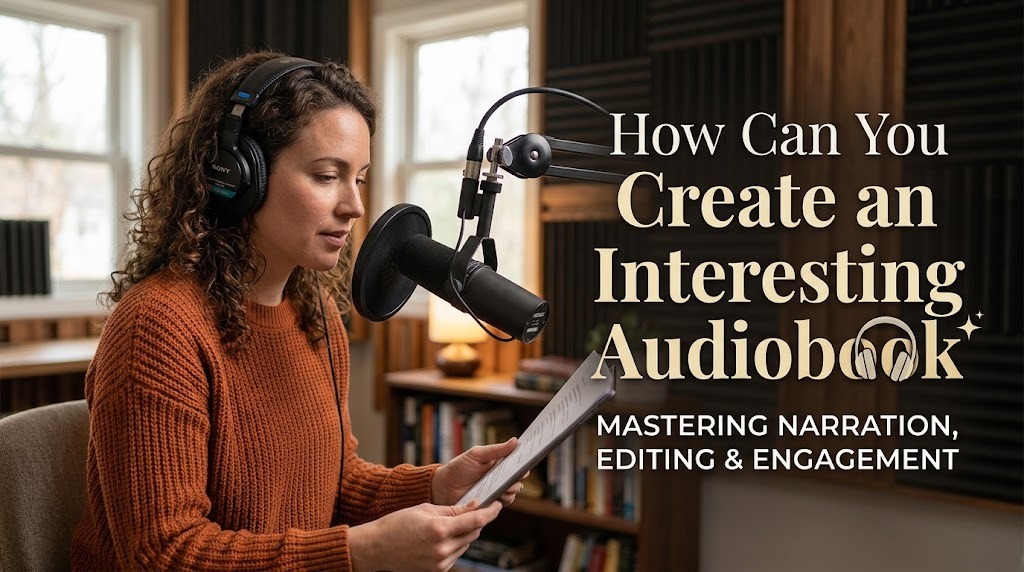
Audiobooks have become a popular way to enjoy stories, learn new information, and explore different subjects through audio. They allow listeners to experience written content without having to read printed pages or look at a screen continuously. As demand for digital audio content grows, creating an interesting audiobook can be an opportunity for writers, narrators, educators, and content creators to share their work with a wider audience.
However, producing a good audiobook involves more than simply reading a text aloud. The creator needs to prepare suitable content, deliver clear narration, maintain appropriate pacing, and ensure that the final recording provides a comfortable listening experience. By paying attention to these elements, creators can develop an engaging audiobook that keeps listeners interested from beginning to end.
CHOOSE INTERESTING AND SUITABLE CONTENT
The first step in creating an interesting audiobook is choosing content that offers value to its intended audience. The material may be a fictional story, biography, educational guide, self-development book, or another type of written work. A clear topic and purpose can help the creator decide how the content should be presented and what listeners are expected to gain from it.
It is also important to understand the needs and interests of the target audience. For example, an audiobook for children may require simple language and lively storytelling, while an educational audiobook for adults may benefit from clear explanations and a logical structure. The content should be reviewed before recording to identify confusing sentences, unnecessary repetition, and sections that may be difficult to follow when heard aloud. Well-prepared material provides a strong foundation for the entire audiobook.
PREPARE CLEAR AND EXPRESSIVE NARRATION
Narration plays an important role in shaping the listener's experience. A narrator should speak clearly, pronounce words accurately, and use a natural tone that suits the content. In a fictional story, changes in expression can help distinguish characters and communicate emotions, while educational material usually benefits from a steady and easy-to-follow delivery.
The narrator should also avoid speaking too quickly or too slowly. Appropriate pacing gives listeners enough time to understand the information without making the presentation feel monotonous. Practicing difficult passages before recording can help reduce hesitation and improve consistency. Reading the material aloud several times also allows the narrator to identify awkward sentences and adjust the delivery to sound more natural.
USE GOOD RECORDING EQUIPMENT AND A QUIET SPACE
Good audio quality helps make an audiobook recording comfortable to listen to. A suitable microphone can capture speech more clearly, while headphones can help the creator identify unwanted noise or uneven volume. Although professional equipment may improve the recording process, beginners can start with available tools if they pay attention to sound quality and recording conditions.
The recording environment is equally important. A quiet room with minimal background noise can reduce distractions and make editing easier. Creators should test the microphone position, recording level, and distance before beginning a full session. Recording a short sample first can reveal problems such as echo, distortion, or inconsistent volume. These checks can save time and help produce a more professional result.
EDIT THE AUDIO AND MAINTAIN CONSISTENT QUALITY
After recording, the audio should be reviewed and edited carefully. Audiobook editing may involve removing unnecessary pauses, correcting recording mistakes, reducing background noise, and adjusting volume differences. The aim is to make the narration clear and consistent without removing natural pauses that help listeners understand the content.
Creators should also check that chapters follow the correct order and that transitions between sections feel smooth. Listening to the edited recording from the audience's perspective can reveal issues that may be overlooked during production. If music or sound effects are included, they should support the content rather than distract from the narration. Before publication, the creator should verify that the final audio meets the technical requirements of the intended distribution platform.
ORGANIZE CHAPTERS AND CHOOSE THE RIGHT DISTRIBUTION PLATFORM
A well-organized audiobook is easier for listeners to navigate. Dividing longer content into chapters or clearly labeled sections allows listeners to pause and return to the material without difficulty. Chapter titles should be relevant and easy to recognize, especially when the audiobook contains several topics or a long narrative.
The next step is choosing a suitable audiobook distribution platform. Different platforms have different requirements for audio formats, metadata, cover artwork, pricing, and publication rights. Creators should review these requirements before uploading their work. They should also ensure that they own or have permission to use the text, narration, music, and other materials included in the audiobook. Clear organization and appropriate distribution can help listeners discover and enjoy the finished product.
CONCLUSION
Creating an interesting audiobook requires suitable content, expressive narration, good recording conditions, careful editing, and clear chapter organization. Each element contributes to the overall listening experience and can influence whether listeners find the audiobook enjoyable and easy to follow. Even beginners can improve their results by preparing carefully and reviewing their recordings before publication.
The process does not have to begin with expensive equipment or a large production team. Creators can start with a manageable project, practice their narration, and gradually improve their technical skills. By prioritizing content quality, listener comfort, and proper distribution, creators can develop audiobooks that provide value and encourage audiences to keep listening.
Recent Posts

Bagaimana Sistem SKS pada Program Kuliah... 22.11.2026/40 View

How Does Technology Make Daily Evaluation... 21.11.2026/71 View

Apa Strategi Menghadapi Kesenjangan antara Kompetensi... 21.11.2026/73 View

Mengapa Inventaris Aset Penting bagi Kelancaran... 21.11.2026/69 View

When Should Musicians Join a Record... 21.11.2026/73 View
